
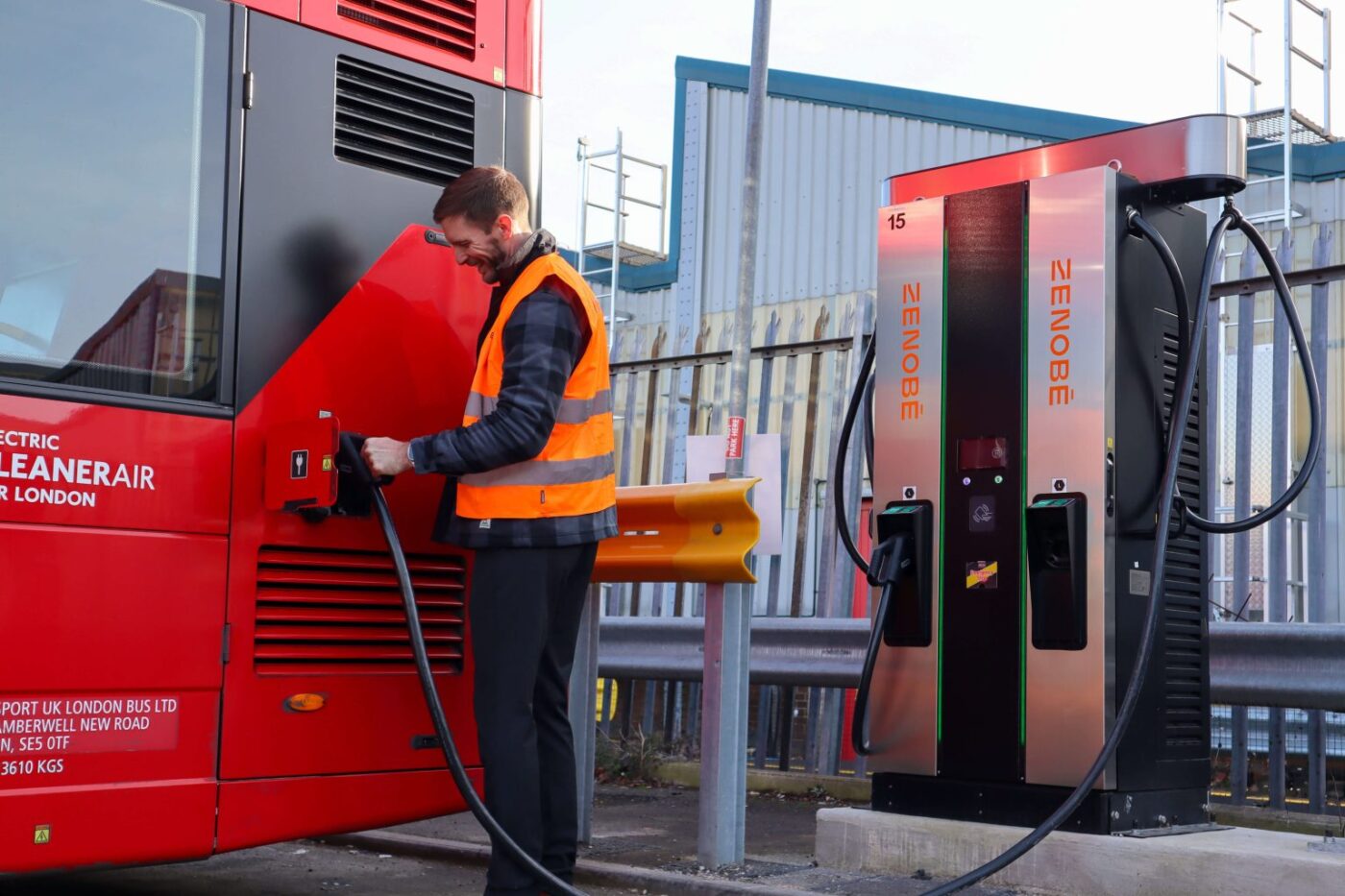
UK-based fleet electrification specialist Zenobē has secured £980 million in new financing to expand its electric vehicle fleet platform across the United Kingdom and Ireland.
The funding will support the deployment of more than 1,200 additional electric buses and associated charging infrastructure over the next three years, further strengthening the company’s position in the growing zero-emission transport sector.
Funding Supports Large-Scale Fleet Electrification
Zenobē said the latest financing round increases its total capital raised since 2017 to more than £3.2 billion.
Combined with the company’s €325 million European fleet financing facility announced in 2025, the new funding is expected to help support up to 5,000 electric buses across the UK and Europe by 2028.
The company intends to use the financing to support both public transport authorities and private fleet operators pursuing vehicle electrification programs.
Flexible Financing Model
According to Zenobē, the platform is designed to complement government-backed transport initiatives by providing private capital alongside public funding schemes.
The company said the model can help local authorities and regional transport agencies accelerate fleet deployment while reducing delivery risks associated with bus franchising projects.
Private operators can also access financing and infrastructure services to support their own decarbonization strategies.
Backed by 22 Financial Institutions
The financing package includes £480 million in long-term funding commitments, a £400 million capital expenditure facility and £100 million in ancillary facilities.
A total of 22 banks and institutional investors now participate in the platform, including ten organizations joining the latest funding round.
Participants include NatWest, Lloyds, Santander, ABN Amro, HSBC, Barclays, Rabobank, MUFG, Aviva, Swiss Re and Scottish Widows.
Integrated Fleet Electrification Services
Zenobē combines vehicle financing, charging infrastructure deployment and operational support into a single service offering.
The company says this integrated approach allows fleet operators to transition from diesel vehicles to battery-electric fleets without managing multiple suppliers and financing arrangements.
According to Zenobē, fuel typically represents around 40% of the lifetime operating costs of a diesel bus, compared with approximately 20% for electricity in an electric bus.
Investors Highlight Decarbonization Benefits
Steven Meersman, Founder Director of Zenobē, said the financing demonstrates the company’s ability to attract large-scale investment to support transport decarbonization.
“Together, these initiatives demonstrate Zenobē’s ability to mobilise large-scale capital to accelerate the transition to zero-emission transport in the UK, Europe and further afield in international markets.”
He added that operators are increasingly aware of the financial and operational risks associated with continued dependence on diesel-powered vehicles.
Priya Veerapen, Managing Director at Infracapital, said Zenobē’s combination of financial and technical expertise provides confidence for fleet operators considering electrification.
International Expansion Continues
The financing announcement follows several international growth initiatives by the company.
In March, Zenobē launched a £100 million electric truck financing fund in Australia to support the adoption of zero-emission commercial vehicles.
During the same month, the company expanded into North America through the acquisition of Revolv, adding 13 operational sites and more than 100 electric trucks to its portfolio.
Growing Presence in Global EV Fleets
Zenobē says it currently supports more than 3,400 electric vehicles across 120 depots worldwide.
The company estimates that it holds approximately 25% of the UK electric bus market and describes itself as the largest owner of electric buses in the UK, Australia and New Zealand.
As governments and operators continue investing in cleaner public transportation, the latest financing is expected to strengthen Zenobē’s ability to support large-scale fleet electrification projects across multiple international markets.