
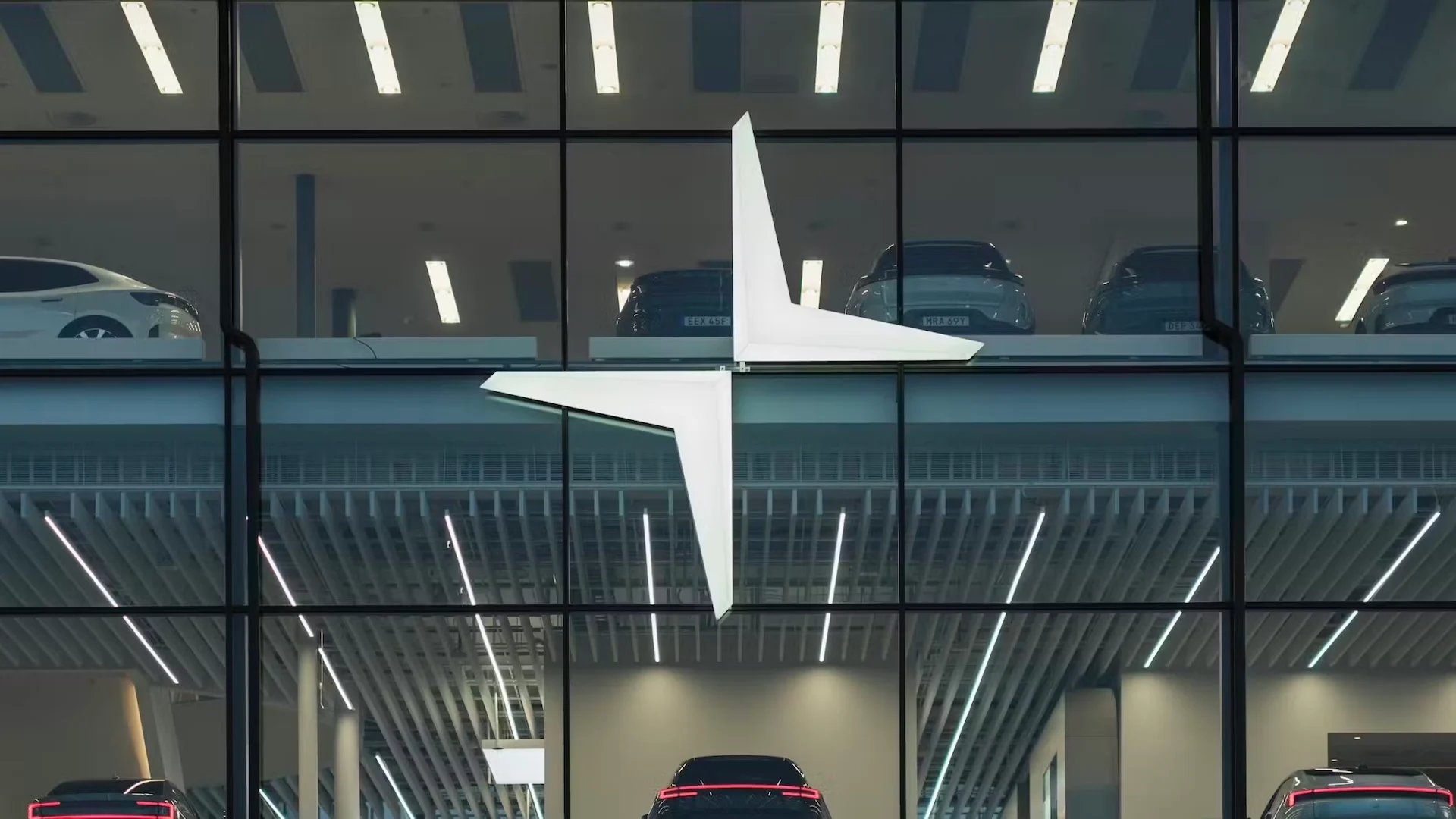
Polestar is facing a lawsuit from a New Jersey dealership over the electric vehicle maker’s planned withdrawal from the U.S. new-car market. Prestige Imports alleges that Polestar violated New Jersey’s Franchise Practices Act by failing to provide the required 60-day termination notice and by not providing sufficient grounds for ending the dealer relationship.
The dispute follows Polestar’s decision to withdraw from new-vehicle sales in the United States ahead of model year 2027, when the U.S. Connected Vehicle Rule is expected to prevent the company from selling new vehicles in the country. Vehicles from earlier model years can still be sold.
Dealer Challenges Polestar’s Explanation
Prestige Imports has disputed Polestar’s reliance on the Connected Vehicle Rule as the reason for its U.S. market exit.
Polestar Posts Record First-Half Deliveries Despite U.S. Regulatory Challenges
According to reports from Automotive News and InsideEVs, the New Jersey dealer alleges that Polestar had been preparing to leave the U.S. market for approximately two years and used the Commerce Department’s connected-vehicle restrictions as a convenient justification for ending its franchise relationships.
The dealership points to Volvo as evidence that an alternative may have been available. Volvo and Polestar are both controlled by Geely, but Volvo received an exemption from the Connected Vehicle Rule.
U.S. Senator Bernie Moreno has said Volvo met extensive conditions to obtain its exemption. Sweden’s Minister for Foreign Trade, Benjamin Dousa, has also said the Swedish government supported Volvo during the exemption process.
According to the allegations, Polestar did not pursue a similar exemption or request comparable assistance from the Swedish government.
Polestar Faces US Sales Ban for New 2027 Models Under Connected Vehicle Rule
Connected Vehicle Rule Becomes Central to Dispute
The Connected Vehicle Rule restricts certain connected-vehicle technologies and related hardware and software linked to countries considered security risks to the United States. For Polestar, the rule has significant implications because it affects the company’s ability to sell new vehicles in the U.S. from model year 2027.
Polestar has therefore been preparing to end its new-vehicle business in the country, although vehicles from earlier model years can continue to be sold.
The lawsuit will now determine whether the regulatory restrictions were the primary reason for Polestar’s departure or whether the company had already decided to leave the U.S. market.
Polestar’s U.S. Business Faces Financial Pressure
The dispute could also involve the economics of Polestar’s U.S. operations.
Moreno has claimed that Polestar was losing as much as $35,000 on each vehicle sold in the United States. The figure has not been independently confirmed.
Polestar 2 Returns to Canada With 447 km Range and Dual-Motor Powertrain
Polestar has increasingly concentrated its sales outside the United States, with approximately 80% of its sales generated in Europe.
The company’s geographic shift and the new U.S. connected-vehicle restrictions therefore overlap as Polestar reduces its exposure to the American new-car market.
Court to Determine Dealer Relationship
Prestige Imports’ lawsuit puts the circumstances surrounding Polestar’s U.S. withdrawal under legal scrutiny. The dealer is seeking to establish whether the automaker complied with New Jersey franchise requirements when ending the relationship.
The case could also clarify the extent to which the Connected Vehicle Rule influenced Polestar’s decision to leave the U.S. new-car market and whether the company had been planning the withdrawal before the regulation became a decisive factor.