
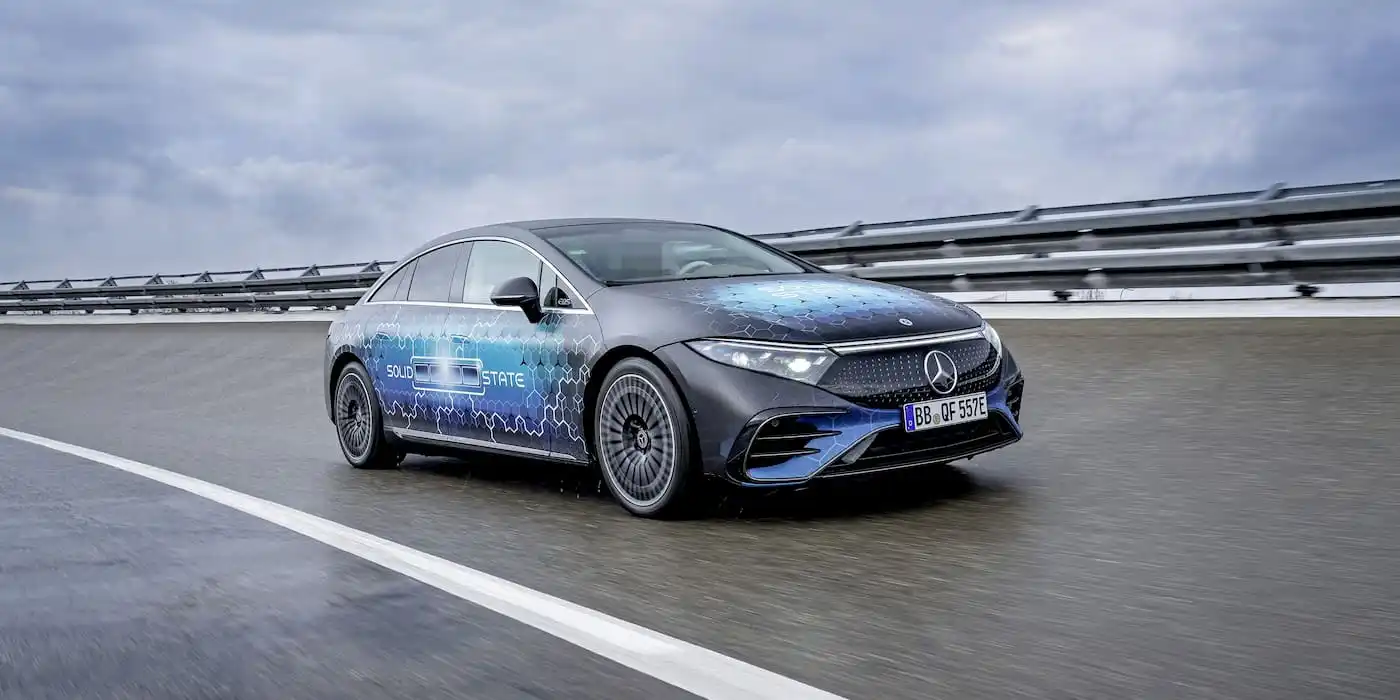
Mercedes-Benz is road-testing electric vehicles equipped with solid-state batteries, marking a significant step toward launching the next generation of high-range EVs. The company aims to bring the technology into series production before the end of the decade, according to a senior executive.
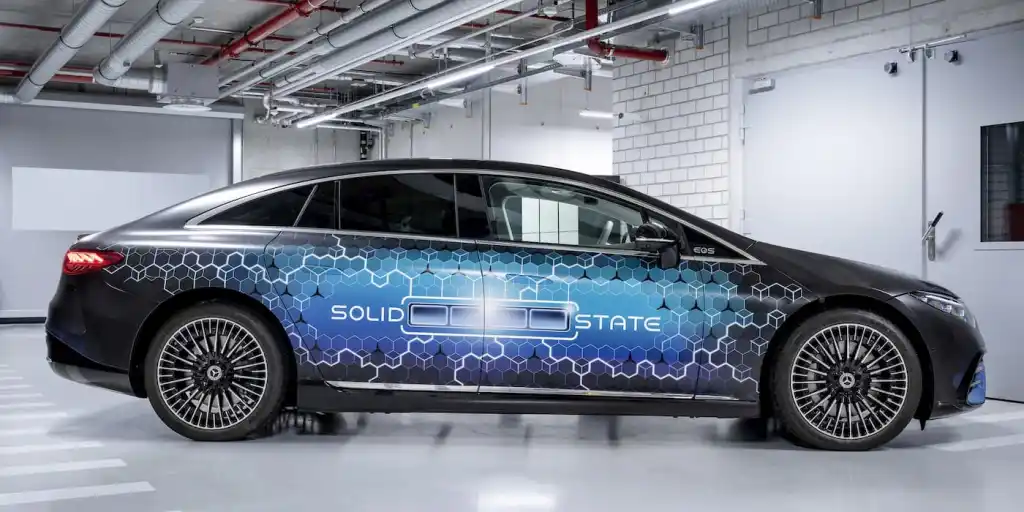
Mercedes has been testing modified EQS prototypes fitted with lithium-metal solid-state batteries developed in partnership with U.S.-based Factorial Energy and its in-house unit Mercedes AMG High-Performance Powertrains (HPP). The battery technology is designed to deliver a driving range increase of up to 25%.

“We expect to bring the technology into series production before the end of the decade,” Markus Schäfer, head of development at Mercedes, said during an event in Copenhagen, as quoted by Automobilwoche. Schäfer emphasized the need for a new battery chemistry to meet future range and cost targets.
The new batteries use a sulfide-based solid electrolyte, which Mercedes says is safer and more efficient than current solutions. Based on WLTP standards, the EQS 450+ currently offers 511 miles of range; a 25% boost could bring that figure to over 620 miles.
Factorial is also working with Hyundai and Stellantis to commercialize solid-state battery technology by 2030. Other automakers including Volkswagen, BMW, Toyota, Nissan, and Honda are investing in similar technology, while Chinese firms BYD and CATL are also progressing on advanced EV battery development, including solid-state systems.