
Xpeng reported a sharp decline in vehicle deliveries in January, as China’s electric vehicle market entered its traditional seasonal slowdown and buyers adjusted to reduced government support measures.
The Chinese electric vehicle maker delivered 20,011 vehicles last month, down 34.07% from a year earlier and 46.65% from December, according to company data released on Saturday. January typically marks a softer period for auto sales in China following strong year-end demand.
See also: Xpeng Joins Rivals With Seven-Year Low-Interest EV Financing in China
The decline came as policy conditions shifted at the start of 2026. New energy vehicle buyers are now subject to a 5% purchase tax, replacing the previous full exemption from the standard 10% rate. In addition, trade-in subsidies in several Chinese cities expired at the end of 2025, with revised support schemes still in a transitional phase.
Despite the broader slowdown, Xpeng said its X9 multi-purpose vehicle continued to perform steadily, with cumulative deliveries reaching 51,897 units since the model’s launch. The X9, first introduced as a battery electric vehicle in early 2024, was expanded to include an extended-range electric version late last year, marking Xpeng’s entry into the EREV segment.
See also: Xpeng Expands Global Retail Network to Over 1,000 Outlets in 2025

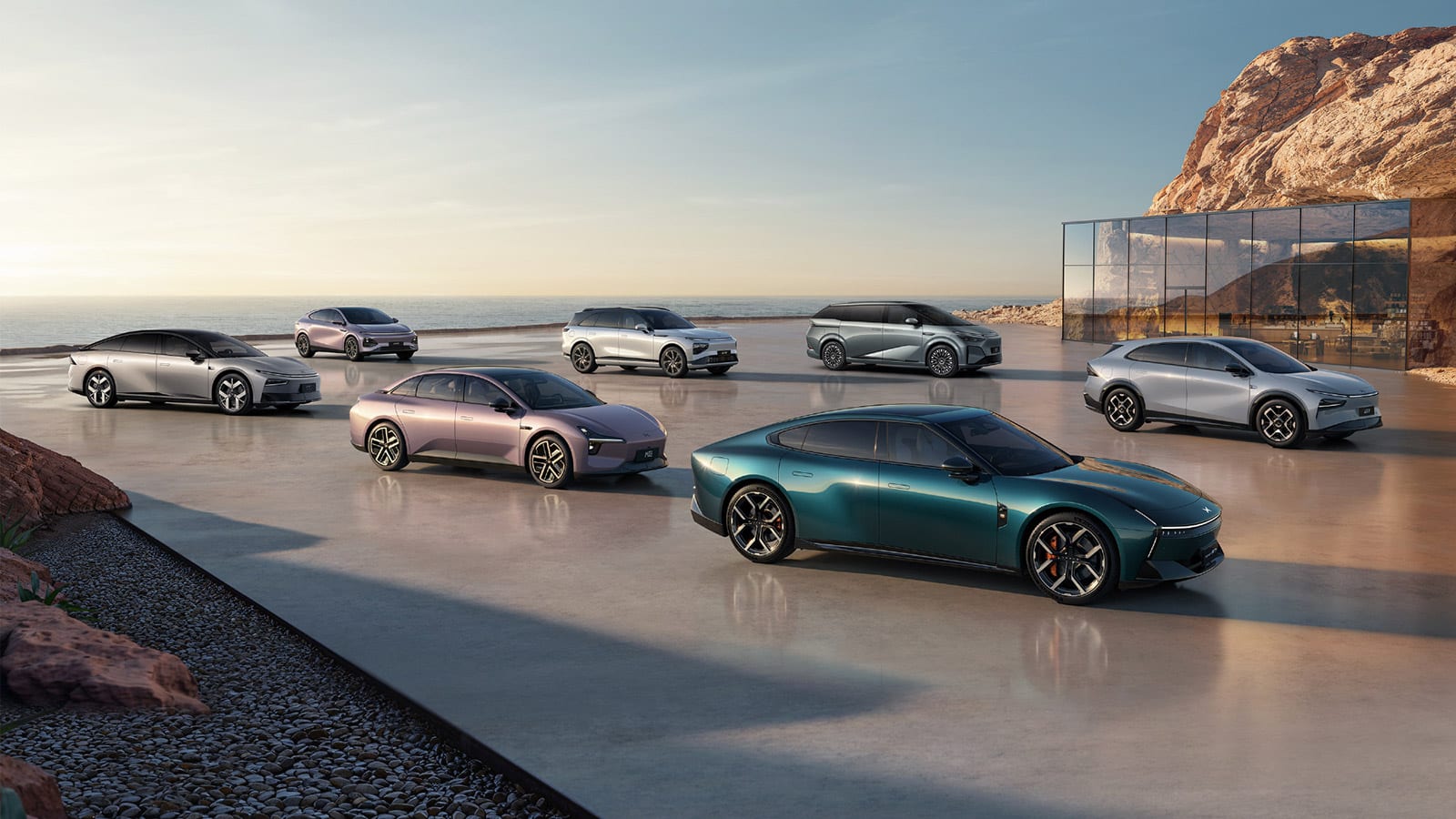
In early January, the company refreshed four models in its lineup, adding extended-range options to two of them, as it seeks to broaden its appeal amid intensifying competition in China’s EV market. Xpeng has also begun accepting pre-orders for the 2026 version of the X9 battery electric model.
To support demand, Xpeng joined Tesla and Xiaomi in offering seven-year low-interest financing plans in China, a promotional strategy increasingly used by automakers as incentives are scaled back.