Tesla and Rivian charging networks have the fewest reported problems among public EV charging options, according to a recent Consumer Reports survey.
The findings, drawn from approximately 5,700 charging sessions reported by 1,230 EV and plug-in hybrid owners, indicate that automaker-operated networks outperform independent providers in reliability.
See also: Siemens to Focus on Fast Charging, Cut 450 Jobs Amid Strategic Reorganization
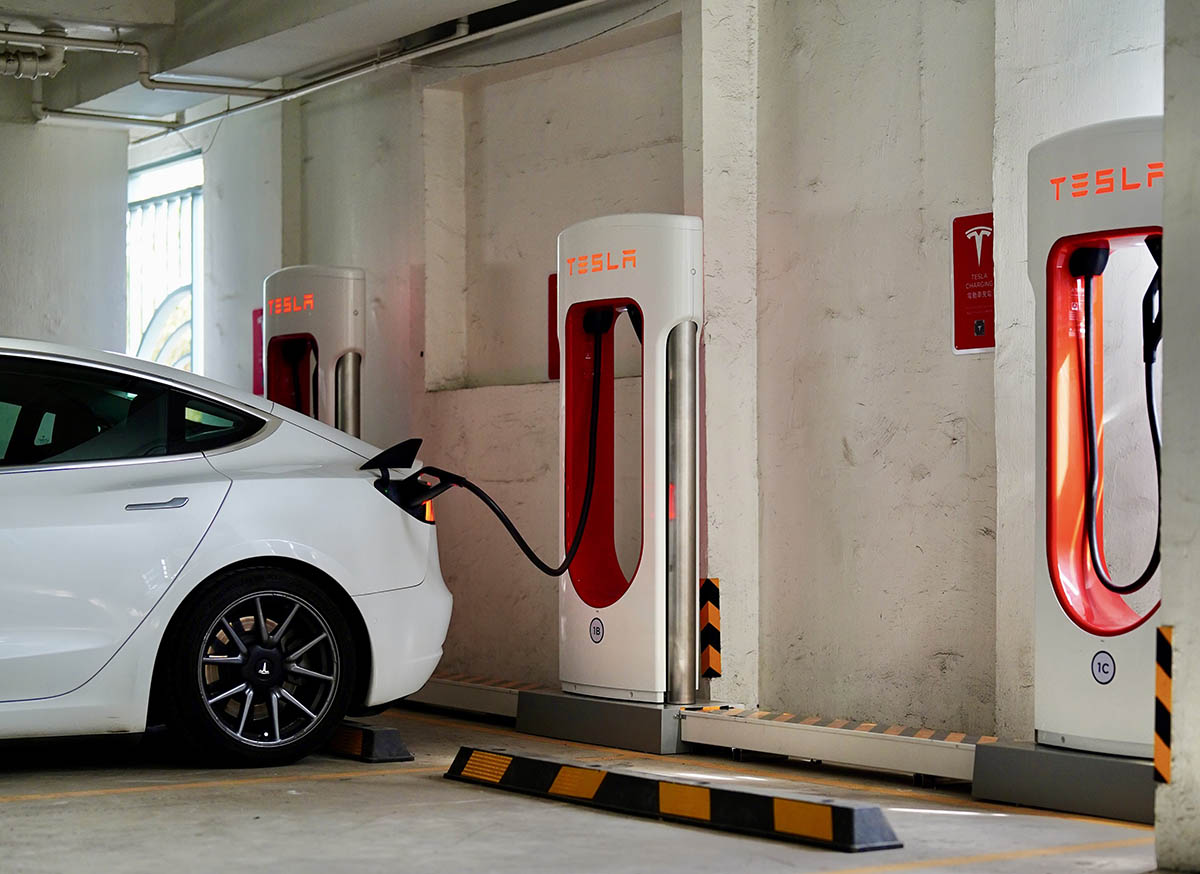
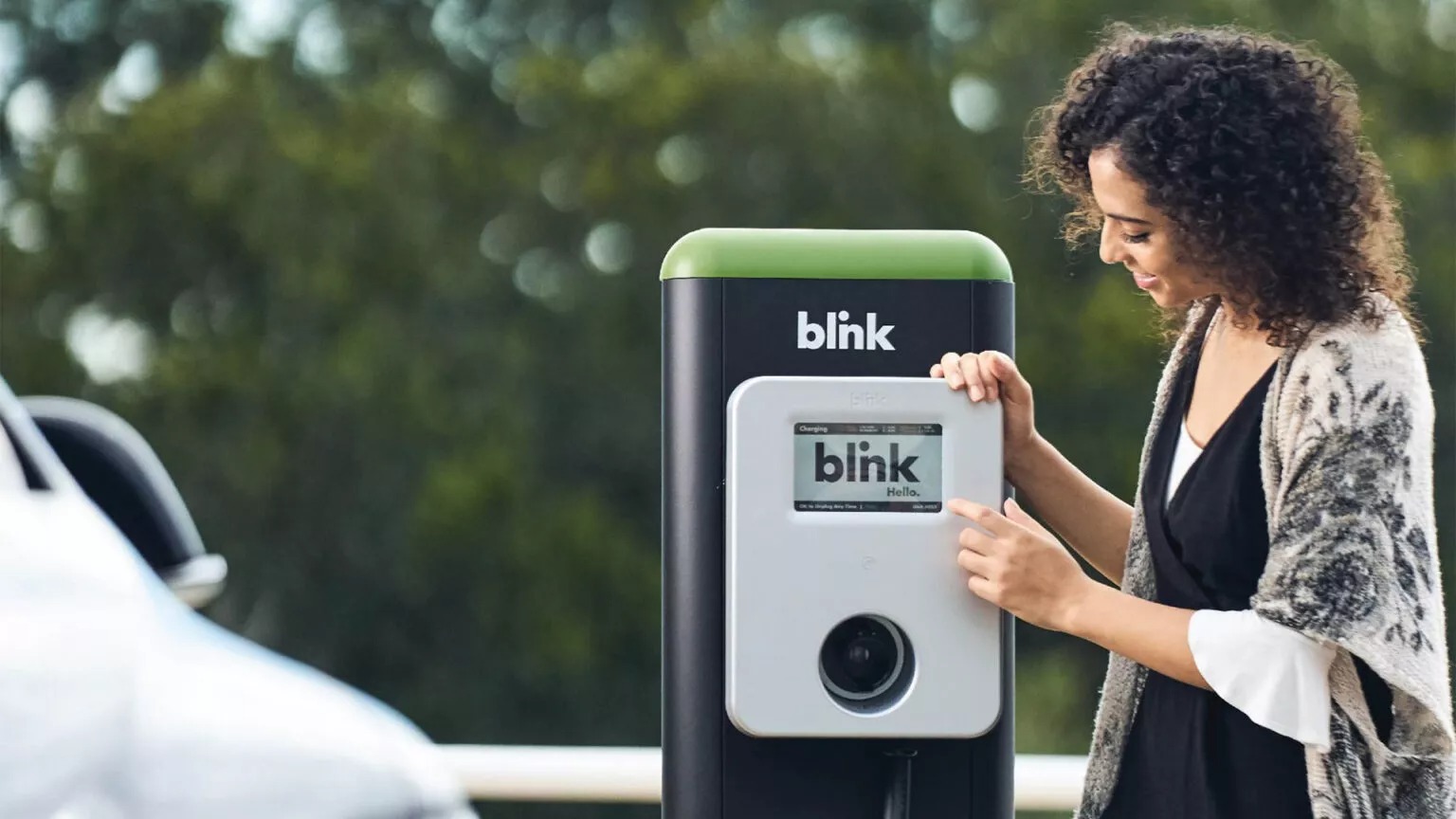
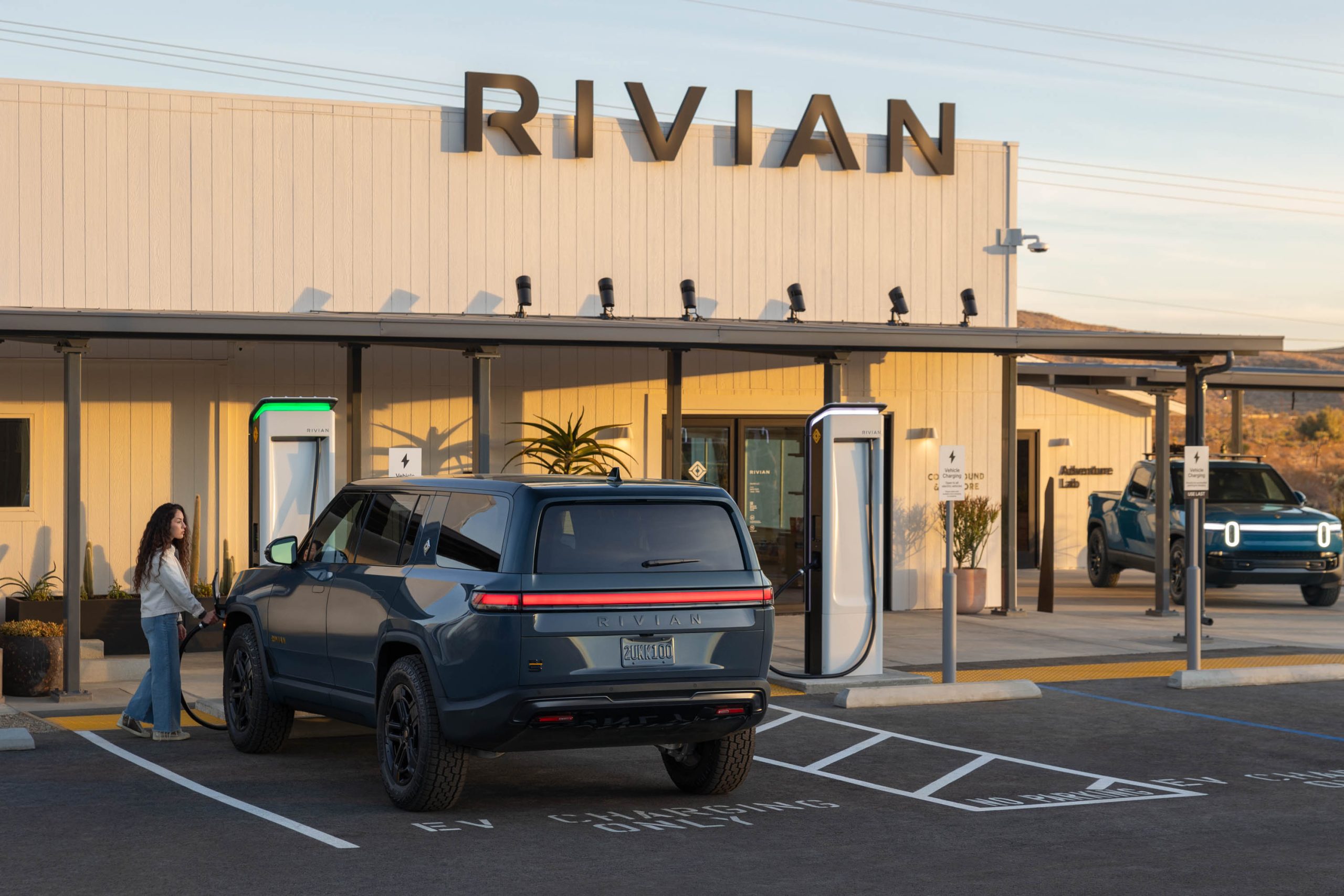
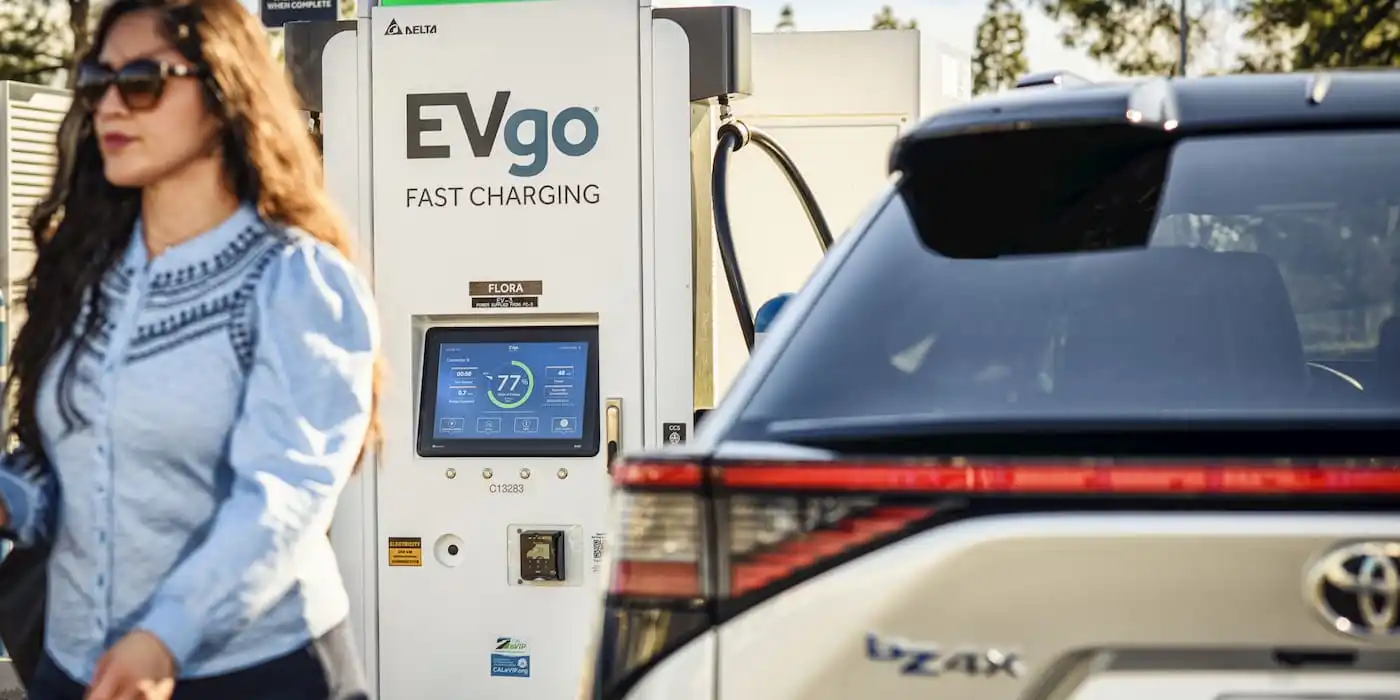
Survey respondents reported issues with Tesla chargers 4% of the time and Rivian chargers 5% of the time. In contrast, third-party networks fared significantly worse, with Shell Recharge experiencing issues 48% of the time, EVgo 43%, and Blink 41%.
The most common problems were hardware-related (36%), followed by unspecified issues (25%), payment difficulties (23%), and charging power concerns (15%). Notably, broken screens accounted for 76% of reported hardware issues.
See also: Blink Charging Partners with Porsche to Install 50 EV Chargers in Mexico
While previous studies suggested Tesla Supercharger reliability was slipping, this latest data indicates it remains the most dependable network. Rivian’s grading system for charging stations, introduced last year, may also be improving user experience.
Consumer Reports recommends that EV owners maintain multiple payment accounts to mitigate interface issues and follow best practices such as preconditioning the battery and limiting fast charging to 80%. As automaker-backed Ionna expands, future surveys may offer further insights into the evolving public charging landscape.
See also: General Motors, PG&E Launch V2X Pilot in California to Enhance Grid Resilience