
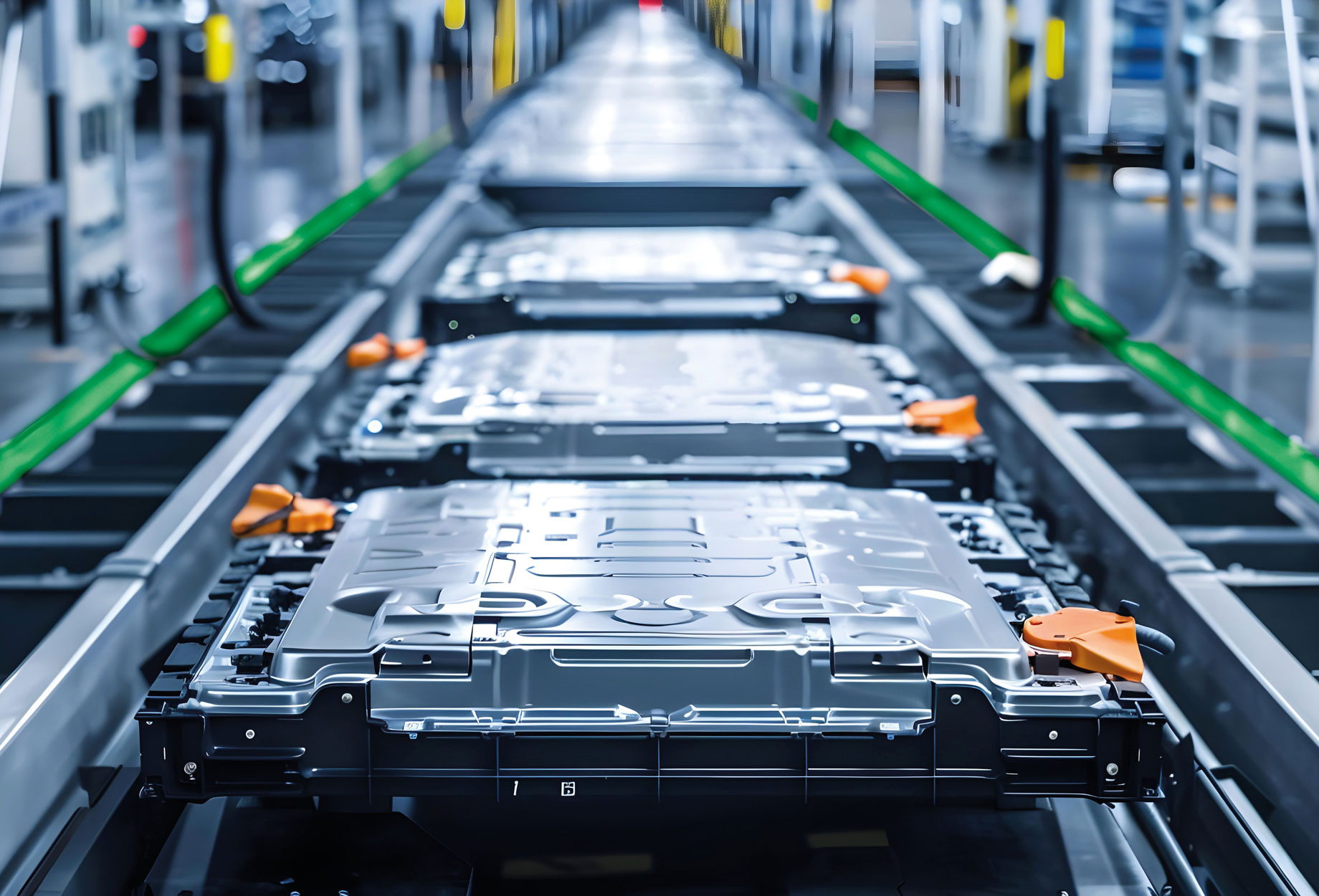
Schaeffler AG has unveiled a range of new electrification technologies designed to improve energy efficiency, battery performance, and vehicle integration as electric vehicle architectures become increasingly complex.
The German automotive supplier presented its latest developments at the 13th Schaeffler Automotive Symposium held in Bühl, Germany, on 8 June 2026. The company used the event to outline its strategy of integrating high-voltage systems, battery technologies, and thermal management into a unified energy management approach for future electric vehicles.
Focus on System-Level Energy Management
According to Schaeffler, maximizing EV performance increasingly depends on how individual systems interact rather than on improvements to any single component.
The company showcased several technologies aimed at optimizing electrical and thermal energy flows throughout the vehicle. Among the innovations presented were oil-cooled battery cells, a dedicated battery cooling module, advanced battery intelligence systems, vehicle-to-grid (V2G) functionality, and X-in-1 electronics integration for high-voltage power networks.
These technologies are intended to improve efficiency, safety, packaging, and software-hardware integration across modern electric vehicle platforms.
“In electromobility, performance is not dependent on a single component, but on how systems interact,” said Thomas Stierle, Chief Executive of E-Mobility at Schaeffler AG.
“Energy management entails systematically viewing the high-voltage architecture, battery, and thermal management as a whole—with tangible benefits for customers, such as costs, efficiency, range, and performance. It is precisely this systems know-how that characterises our current innovations at Schaeffler.”
Battery Cooling and High-Voltage Integration
One of the key areas highlighted during the symposium was battery thermal management. Schaeffler’s oil-cooled battery cell technology and battery cooling modules are designed to maintain optimal operating temperatures, supporting battery longevity, charging performance, and safety.
The company also demonstrated X-in-1 integration technology, which consolidates multiple high-voltage electronic functions into a single unit. By reducing the number of separate components, Schaeffler aims to save installation space while improving power density and overall system efficiency.
Preparing for Battery-Centric Vehicle Architectures
As automakers increasingly shift toward dedicated electric vehicle platforms, Schaeffler sees battery-centric architectures as the foundation for future vehicle development.
The company said its integration strategy extends beyond individual vehicle functions, focusing instead on how electric axles, batteries, thermal systems, and energy management software operate as a coordinated system.
“Schaeffler derives its integration strategy from this systems know-how,” Stierle said.
“We consistently envision energy management way beyond just vehicle functions and focus on electric axles and battery-centric architectures. That way, installation space can be utilised efficiently and power density, overall efficiency, and performance specifically further developed.”
Growing Importance of Energy Management
As electric vehicles continue to evolve, automotive suppliers are increasingly focusing on holistic energy management solutions that can improve range, charging performance, efficiency, and bidirectional energy capabilities.
Schaeffler’s latest technologies reflect a broader industry trend toward integrating electrical, thermal, and software systems to maximize vehicle performance while reducing complexity and cost for manufacturers.
The company believes these integrated approaches will play a critical role in the next generation of electric vehicles as automakers pursue higher efficiency, longer driving range, and more advanced energy services such as vehicle-to-grid connectivity.