
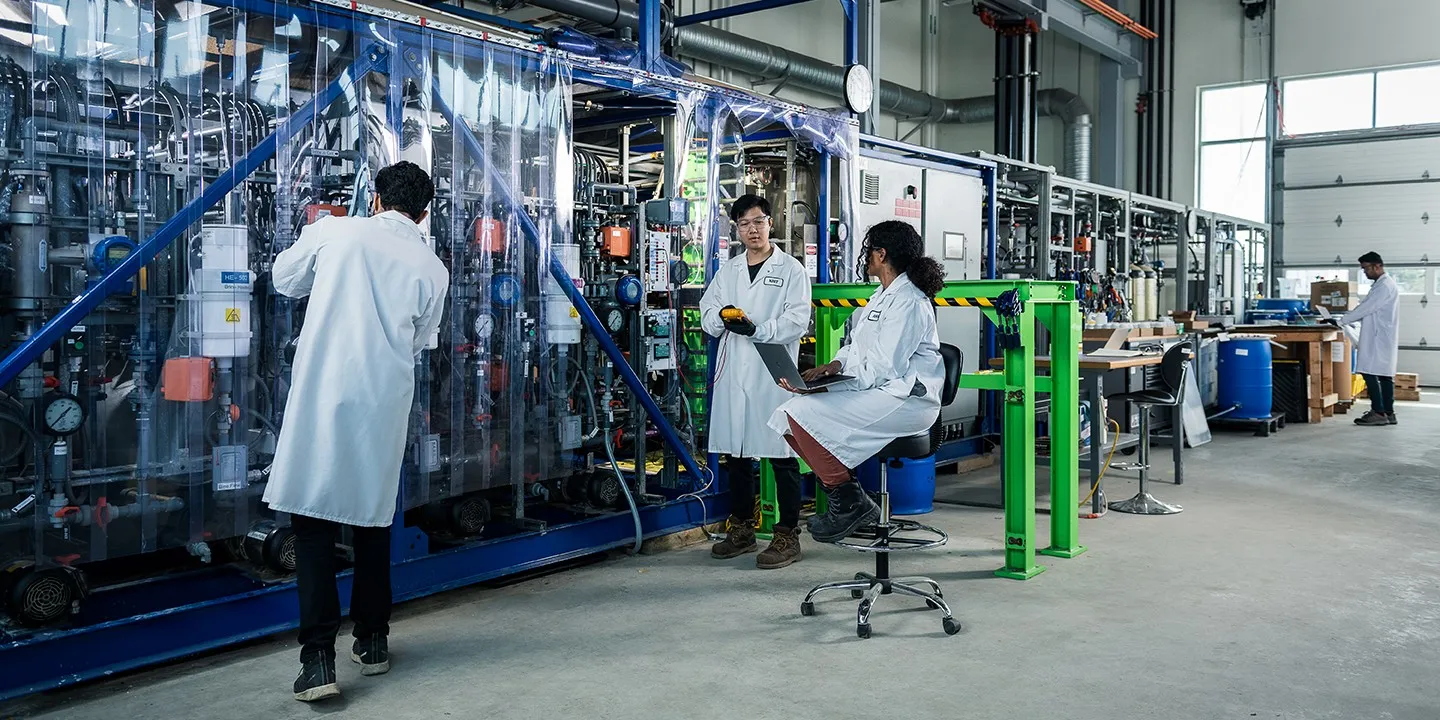
Mangrove Lithium said it plans to build a second refining facility in North America with an annual output capacity of 20,000 tonnes of battery-grade lithium, as the company moves to address growing demand for Western-sourced lithium materials.
The U.S.-based firm said it has signed memoranda of understanding with multiple American battery manufacturers to support the plant’s output, which could be sufficient to power batteries for over 500,000 electric vehicles annually. While the exact location of the new facility has not been determined, the plant is expected to be significantly larger than the company’s first refinery in British Columbia, which is due to start operations by the end of 2025.
Mangrove cited geopolitical factors as a key driver for the expansion, as battery and electric vehicle manufacturers seek to reduce reliance on Chinese processing infrastructure. The company’s proposed second plant will integrate spodumene concentrate processing, advancing its upstream capabilities and enabling greater reshoring of the lithium value chain.
“These MoUs reflect the accelerating interest from global customers who recognize Mangrove as a strategic partner in securing lithium supply,” said Saad Dara, CEO and founder of Mangrove Lithium.
Annie Liu, Chief Strategy & Commercial Officer at the company, noted the importance of domestic lithium sources: “Having negotiated deals for automakers like Tesla and Ford, I’ve seen firsthand how critical it is to have a reliable Western lithium supply chain—and that’s exactly what Mangrove delivers.”
Although the company has signed offtake agreements for 20,000 tonnes of lithium, it did not specify whether the volume covers a single year or multiple years, and the agreements remain non-binding. Details on the plant’s location, cost, financing, and construction timeline have not yet been disclosed.
Mangrove is already constructing its first commercial-scale facility in Delta, British Columbia, backed by a US$35 million funding round and investment from BMW i Ventures. That site is expected to supply lithium for approximately 25,000 electric vehicles per year.