


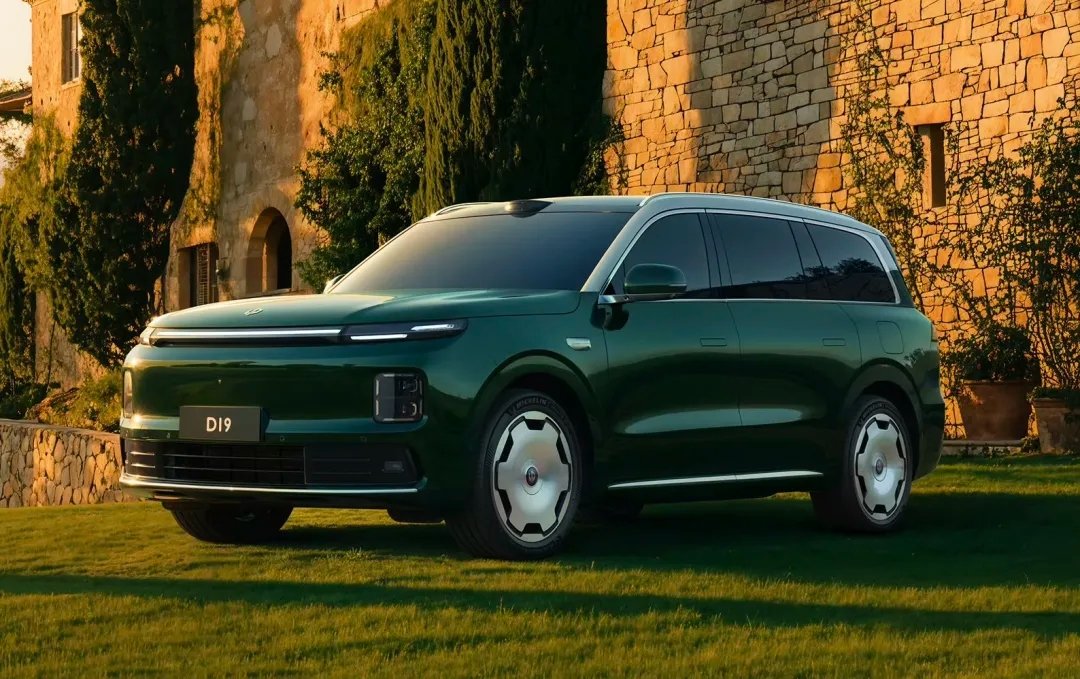
Chinese automaker Leapmotor said it has developed what it describes as the world’s first production-ready central vehicle computing platform, powered by premium automotive chips from Qualcomm, marking a shift toward more centralized and software-defined vehicle architectures.
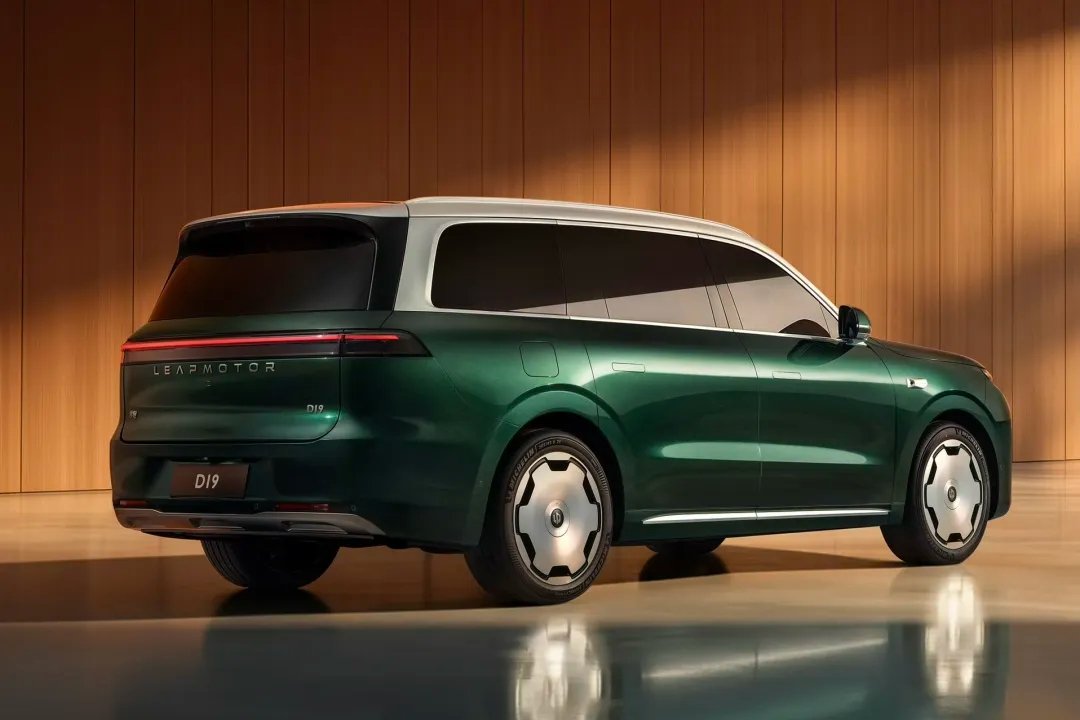
The platform will debut in Leapmotor’s upcoming flagship D19 model and combines Qualcomm’s Snapdragon Cockpit Platform Premium Edition with the Snapdragon Ride Platform Premium Edition. The system integrates functions that are typically handled by separate electronic control units, including infotainment, advanced driver-assistance systems (ADAS), body control and vehicle connectivity.

Leapmotor said the dual-chip configuration is designed to reduce system complexity and development costs while providing sufficient computing capacity for real-time coordination and artificial intelligence applications. The company added that the platform supports over-the-air software updates and is intended to enable faster feature deployment over a vehicle’s lifecycle.
“Intelligence is profoundly reshaping the automotive industry, and technological innovation has always been at the core of Leapmotor’s development,” said Zhu Jiangming, founder, chairman and chief executive of Leapmotor. He said the new central domain controller would support upgrades to vehicle architecture and enhance the driving experience.

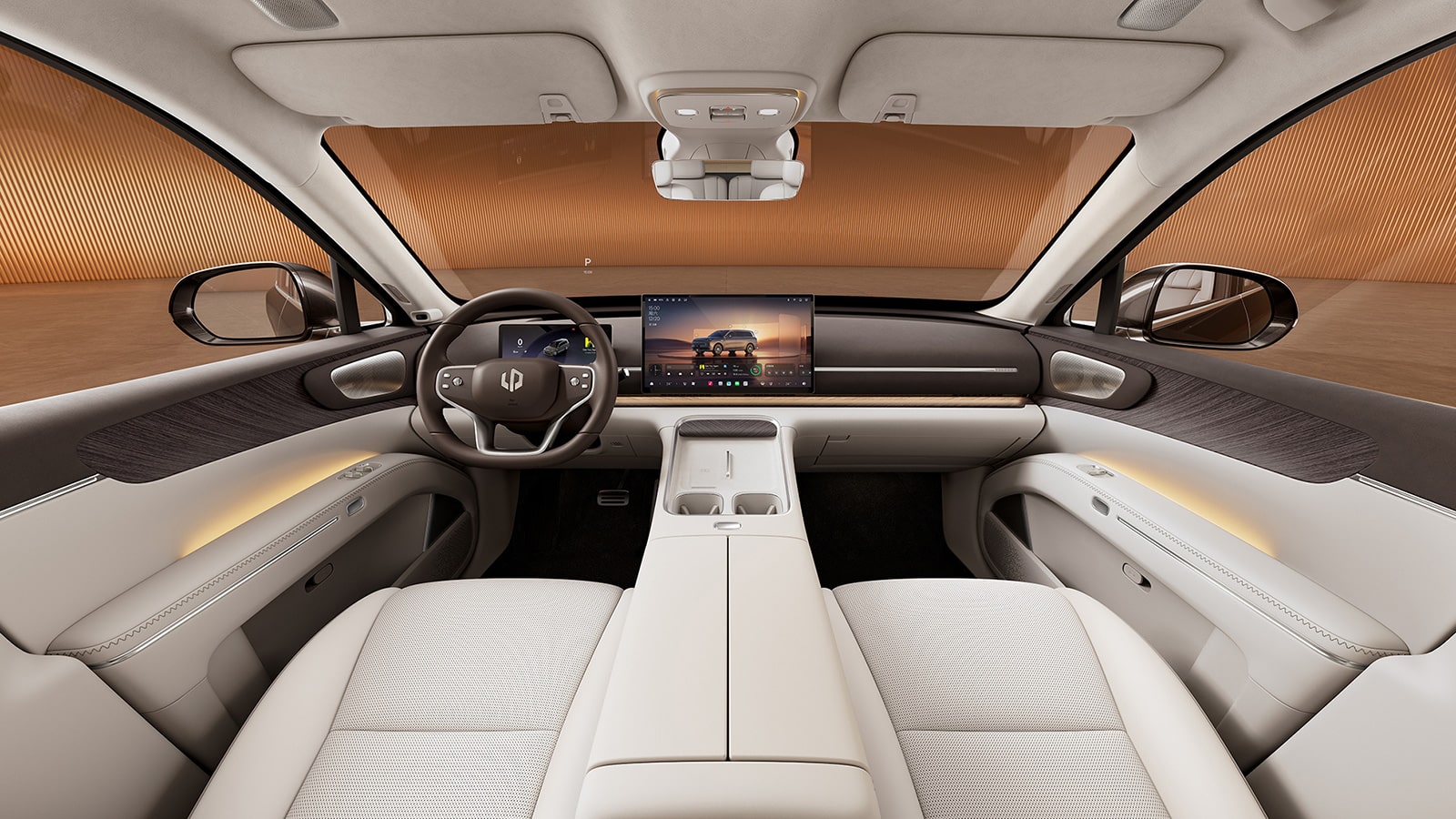
According to Leapmotor, the system supports up to eight displays, high-definition audio output, and a service-oriented software architecture with more than 200 modular functions. On the driver-assistance side, it can process data from up to 13 cameras as well as lidar, radar and ultrasonic sensors, enabling Level 2 driving assistance features such as park-to-park functionality.
Qualcomm said the project reflects growing demand among automakers for centralized computing platforms that can support both infotainment and automated driving workloads. “We are proud to help realize the world’s first production multi-domain fusion solution,” said Nakul Duggal, executive vice president and general manager of automotive, industrial IoT and embedded at Qualcomm Technologies.


Automakers globally are moving away from distributed electronics toward centralized computing systems as vehicles become more software-driven. Analysts say such architectures could shorten development cycles and improve margins, but also increase reliance on advanced semiconductors and long-term software support.