


Guangzhou Automobile Group (GAC) will acquire the 50% stake in FAW Toyota currently held by a subsidiary of state-owned FAW Group, with all three parties confirming the transaction. FAW Toyota will continue operating as an independent company for now, although the companies plan to deepen cooperation between Toyota’s two existing joint ventures in China.
The transaction was first reported in late September, when Reuters cited a stock exchange announcement from GAC. The deal will be financed through the issuance of new A-shares. Under the broader ownership changes, FAW is also set to become GAC’s second-largest shareholder.
Toyota said FAW Toyota would retain its independent status while eventually forming an alliance with GAC Toyota. The planned cooperation would cover functions including research and development, procurement, production and sales within the joint ventures.
Three-Way Alliance Targets Electric and Intelligent Vehicles
Toyota, FAW and GAC have signed a framework agreement outlining plans for a strategic alliance. The companies intend to contribute assets and capital to expand cooperation progressively, with technological innovation identified as a central focus.
The agreement also refers to the “efficient alliance of industrial resources”, potentially allowing the companies to make greater use of one another’s manufacturing facilities and other industrial assets.
The initial priority is accelerating the development of electric and intelligent vehicles. The companies said the alliance is intended to deepen their partnership and strengthen long-term cooperation among FAW, Toyota and GAC.
The proposed arrangement would bring Toyota’s two existing Chinese joint ventures into closer coordination while allowing FAW Toyota to remain an independent company. The parties have not provided a detailed timetable for implementing the planned operational cooperation.
Toyota Responds to Changing Conditions in China
Toyota established its partnership with FAW in 2002, followed by the creation of GAC Toyota in 2004. The two joint ventures have operated separately, giving Toyota distinct manufacturing and sales structures in the Chinese market.
However, slower market growth, excess production capacity and increasing competition from domestic electric vehicle manufacturers have put pressure on traditional automotive business models in China.
The planned ownership restructuring and strategic alliance are intended to improve cooperation between the companies as they respond to these market conditions. Greater coordination could help the partners share industrial resources and accelerate vehicle development, although the extent of any future integration remains unclear.
GAC Becomes More Important to Toyota’s Electric Vehicle Business
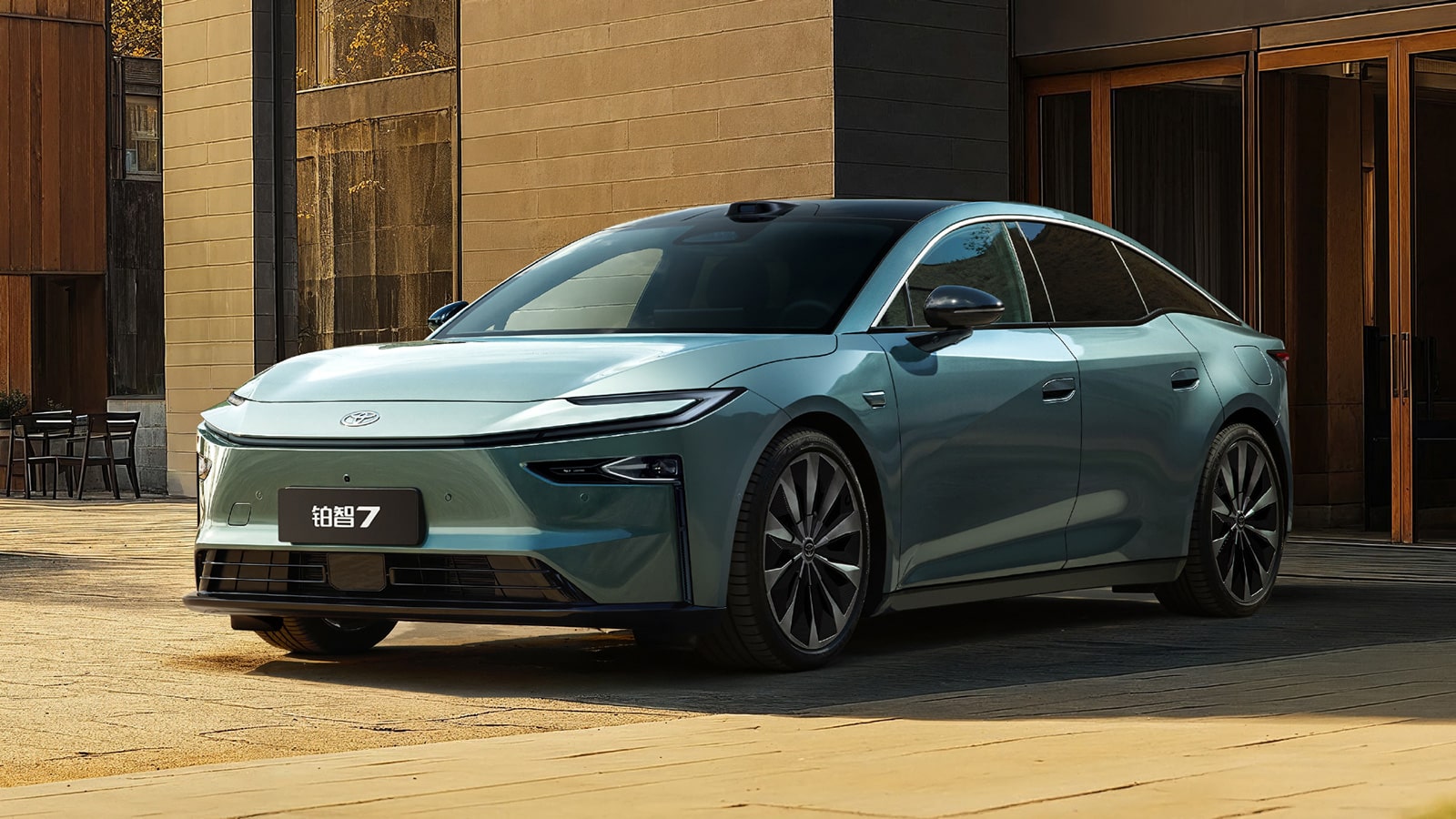
GAC has become an increasingly significant partner for Toyota in China’s battery-electric vehicle (BEV) segment. One example is the jointly developed bZ3X electric SUV.
According to MarkLines data cited in the report, the bZ3X recorded approximately 70,000 registrations in China in 2025, accounting for around 70% of Toyota’s battery-electric vehicle sales in the country.
Toyota sold approximately 100,000 BEVs in China during 2025, exceeding sales of Volkswagen’s core brand, which delivered about 85,000 vehicles. Nevertheless, Toyota remains a relatively small participant in China’s broader electric vehicle market.
The scale of competition is illustrated by BYD, which sold more battery-electric vehicles in December 2025 alone than Toyota sold across the entire Chinese market during that year.
GAC’s acquisition of FAW’s stake in FAW Toyota will bring the two previously separate Toyota partnerships closer together at the shareholder level. The planned alliance could extend that coordination into research, production, procurement and sales, with electric and intelligent vehicle development among the initial priorities.


