
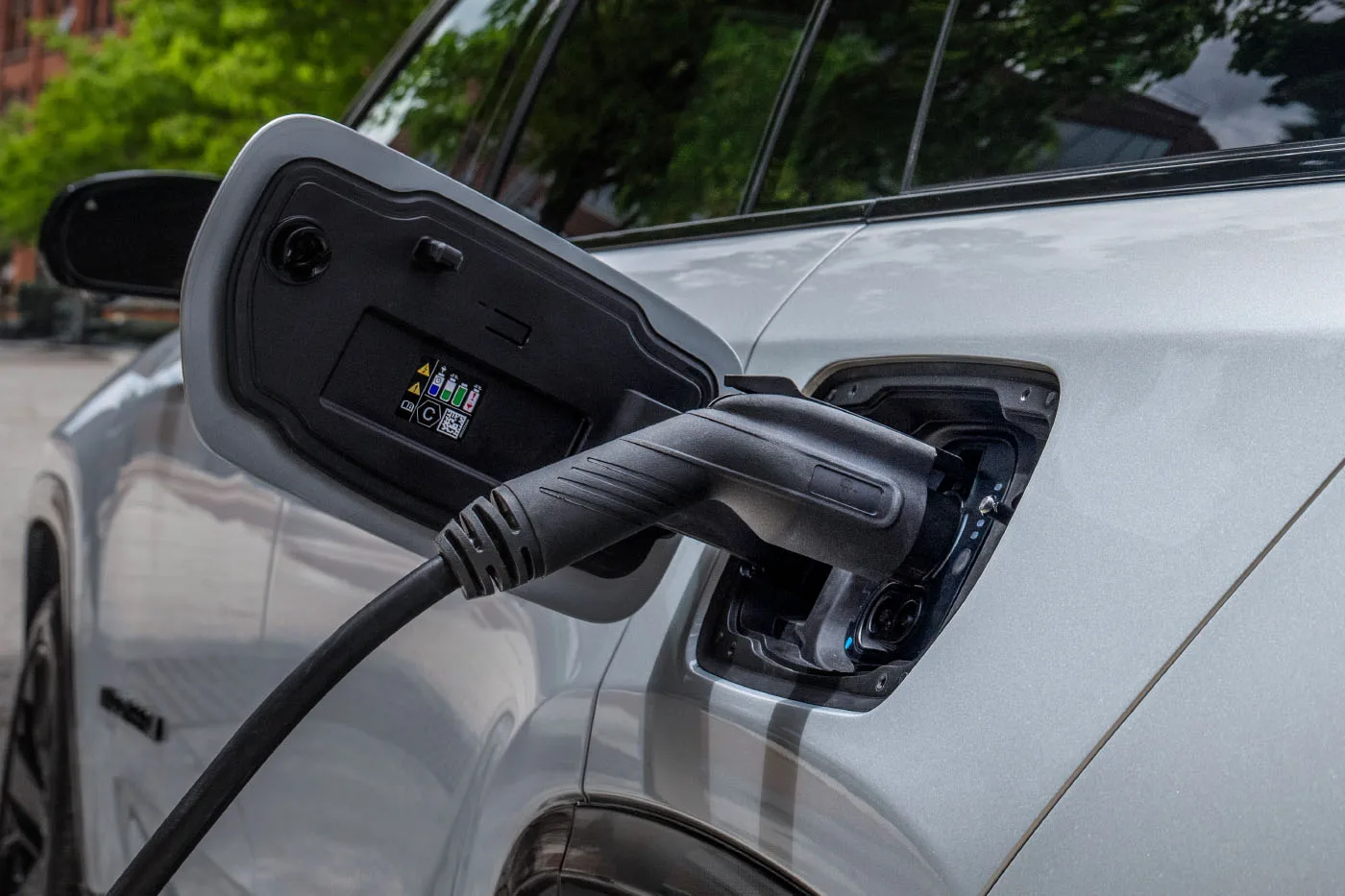
Public electric vehicle (EV) charging infrastructure across the European Union has expanded faster than the region’s battery-electric vehicle (BEV) fleet, with nearly all member states already meeting the fleet-based requirements of the Alternative Fuels Infrastructure Regulation (AFIR), according to a new analysis by Transport & Environment (T&E).
The report found that every EU member state except Malta had achieved the regulation’s minimum charging-capacity target by the end of March 2026.
T&E Says EU Tariffs Shifted EV Imports but Chinese Brands Continue to Expand
Infrastructure Ahead of EV Growth
Under AFIR, countries must provide at least 1.3 kilowatts of publicly accessible charging capacity for every battery-electric vehicle registered in their national fleet.
According to T&E, total public charging capacity across the EU now exceeds the minimum requirement by approximately 180%, indicating that charging infrastructure has expanded ahead of the increase in electric vehicle registrations recorded during 2025 and 2026.
The organization said the findings suggest the AFIR framework is helping support the transition to electric mobility by ensuring charging infrastructure keeps pace with market growth.
Motorway Targets Progress
AFIR also requires ultra-fast charging stations with a minimum output of 150 kilowatts to be available every 60 kilometers along the TEN-T Core road network.
EU 2035 CO2 Proposal Could Leave Room For Combustion Cars, T&E Warns
T&E’s analysis showed that, as of June 2026, 79% of the TEN-T Core network met that requirement.
Compliance exceeded 99% across Western Europe, while remaining gaps were concentrated mainly in Spain and several Central and Eastern European countries.
Poland was highlighted as one of the fastest-improving markets, with compliance increasing from 20% at the end of 2024 to 59% by June 2026.
On the broader TEN-T Comprehensive network, which includes regional motorways and primary roads, 20 of the EU’s 27 member states have already achieved their 2027 AFIR targets approximately 18 months ahead of schedule.
Across the bloc, around 64% of the charging infrastructure required to meet the regulation’s 2030 objective has already been installed.
Focus Turns to User Experience
T&E said targeted investment in approximately 70 strategically located charging hubs could raise compliance with the 2025 motorway charging requirement to around 90%.
Many of the identified locations already have charging facilities and would require only upgrades to satisfy AFIR standards.
The organization also noted that while public charging infrastructure continues to expand, most EV charging will still occur at homes and workplaces.
EU Transport Groups Urge Brussels to Avoid Funding Gap for Zero-Emission Truck Infrastructure
It added that wider deployment of smart and bidirectional charging, together with interoperable charging networks, transparent pricing and seamless payment systems, will be important to support continued EV adoption across Europe.
“Today EV drivers do not have far to go for a public charger. The charging targets are working as intended and have enabled huge growth in the EV market. However, there are still challenges to be overcome in charging’s ease of use, and a lack of price transparency,” said Lucien Mathieu, Cars Director at Transport & Environment.