
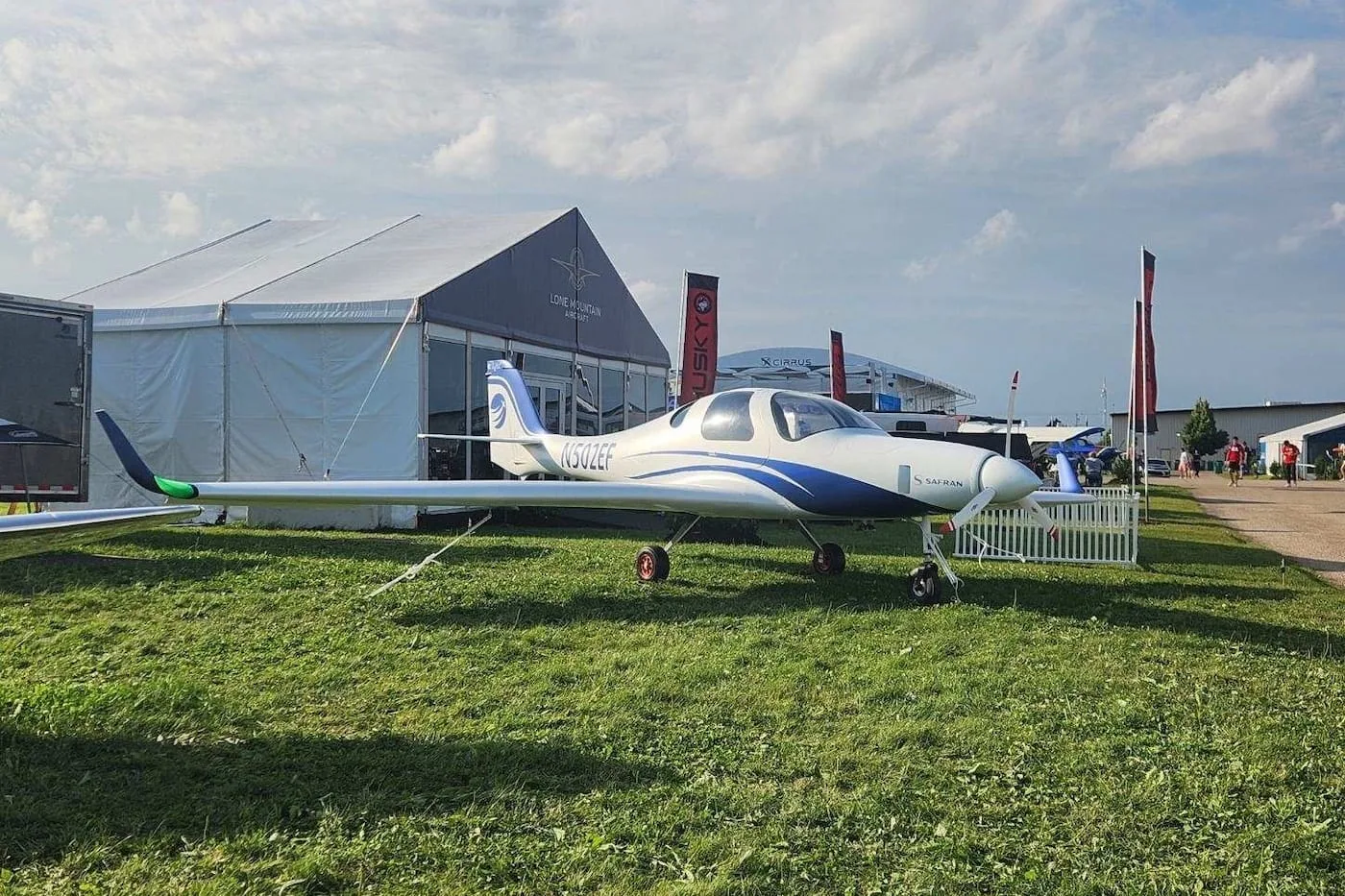
Electric aircraft manufacturer Bye Aerospace has signed a Memorandum of Understanding (MoU) with Australian charging technology company Electro.Aero to co-develop portable fast-charging solutions for electric aircraft, with a focus on transforming the pilot training sector.
The partnership aims to deliver fast-charging systems for Bye Aerospace’s upcoming eFlyer aircraft fleet, including mobile chargers capable of replenishing batteries in under 30 minutes—potentially enabling back-to-back training flights. The announcement comes as Bye Aerospace nears completion of its full-size eFlyer 2 prototype at Centennial Airport in Colorado, marking a key milestone in the company’s development process.
“As we prepare for our full-scale prototype’s inaugural flight, we’re thrilled to partner with Electro.Aero to demonstrate the operational utility our combined technologies will bring to this greatly underserved pilot training market,” said Rod Zastrow, CEO of Bye Aerospace. “We are thrilled to offer simultaneous, two-aircraft fast charging in under 30 minutes, which means our customers can finally meet the demanding pace of flight instruction with reliability, efficiency and drastically lower operating costs.”
Electro.Aero’s charging lineup includes 40kW, 80kW, and 240kW systems, with the largest capable of dual-aircraft charging. The companies hope this technology will eliminate one of the primary bottlenecks in the shift to electric aircraft: turnaround time between flights. The chargers’ portable design is expected to benefit operators without fixed infrastructure, particularly in pilot training environments.
According to a Fortune Business Insights report cited by the companies, the global pilot training market is valued at $9.37 billion in 2024 and projected to grow to $24.86 billion by 2032. In the United States, the market is forecast to triple in size by 2030, offering a significant opportunity for electric aviation solutions.
Bye Aerospace has not yet delivered any aircraft to customers, with certification still pending. The company expects a production-compliant prototype to conduct its first flight within the next 9–12 months, followed by FAA Part 23 certification within two years.