
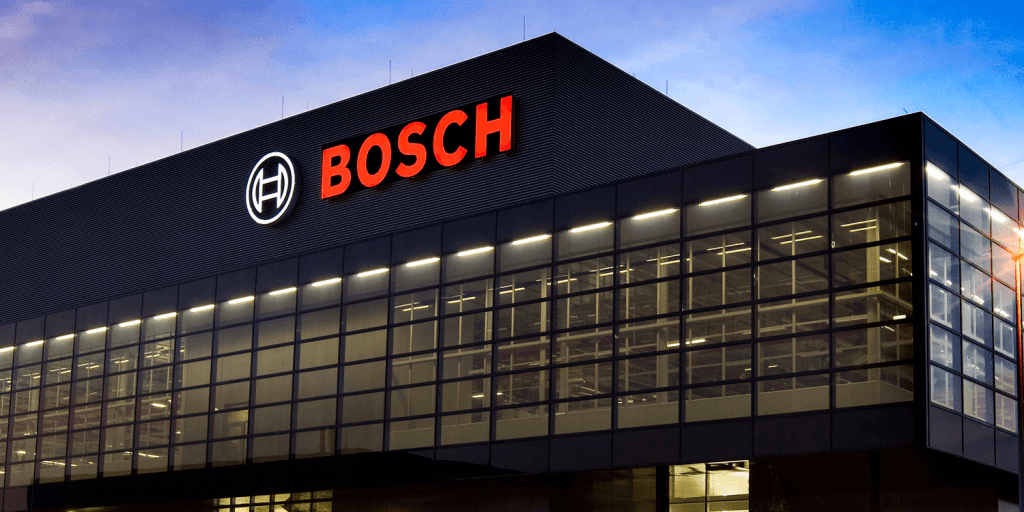
Bosch plans to restructure four business divisions into independent, wholly owned subsidiaries from August 1, 2027, as the German technology and automotive supplier seeks to improve operational flexibility and strengthen competitiveness amid intensifying global competition.
The restructuring will affect approximately 62,500 employees in Germany across four areas: Mobility, Bosch Digital, Global Business Services and Global Real Estate. Bosch Mobility will become a separate subsidiary, while the other three units will be grouped under an Independent Service Division structure. Employment contracts are expected to transfer to the new entities.
Greater Independence for Business Units
Robert Bosch GmbH will concentrate on its role as the group’s corporate headquarters and on central research and development functions, which currently employ more than 3,000 people. The new structure is intended to give the operating units greater autonomy while maintaining their position within the Bosch Group.
“With the planned reorganization of our corporate structure, we are creating the conditions that will allow each operating unit to unfold its full potential – with greater entrepreneurial freedom, short decision-making paths, and closer customer focus,” says Dr. Christian Fischer, chairman of the board of management of Robert Bosch GmbH.
Bosch expects the changes to help its business units respond more quickly to customer needs and market developments. The restructuring is also intended to strengthen the competitiveness of internal service operations by giving them greater responsibility for their business performance.
Questions Over Future Business Structures
The planned separation has also raised questions about the longer-term direction of the affected units. Industry observers and employee representatives have noted that legally independent subsidiaries can make partnerships, partial sales or potential stock market listings easier to pursue. Separate entities may also face greater pressure to compete with external service providers, potentially influencing future costs and employment.
Bosch has said the reorganization itself will not trigger additional job cuts and that employment contracts will transfer to the new subsidiaries. All four business areas will remain part of the Bosch Group.
Restructuring Amid Cost Pressures
The corporate reorganization comes as Bosch continues to address cost pressures across its automotive operations. The company has previously announced plans to cut around 22,000 jobs in its Mobility division and has also planned approximately 900 job cuts at its Nuremberg site, drawing criticism from its works council and the IG Metall trade union.
Bosch presents the structural changes as a separate measure intended to improve organizational flexibility and competitiveness. The move reflects broader challenges facing automotive suppliers as they respond to technological changes, rising competition and pressure to reduce costs.