
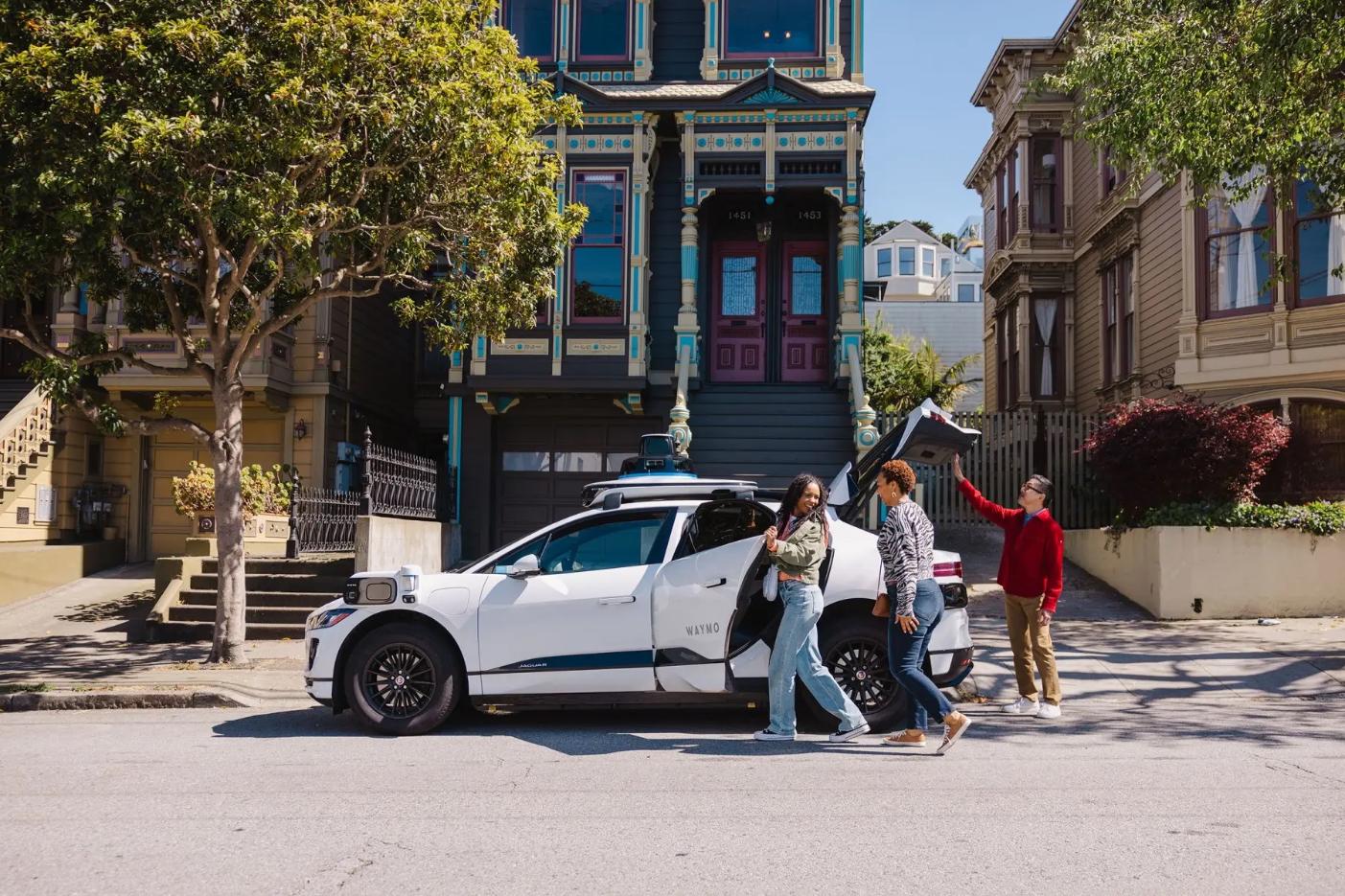
Data from Waymo’s robotaxi operations show that the majority of autonomous trips are made with one or two passengers, raising questions about the continued use of large five-seat vehicles in driverless ride-hailing fleets.
An analysis of Waymo robotaxi trips conducted in the third quarter of 2025 found that about 90% of rides involved two or fewer occupants, while roughly 75% of trips carried one or no passengers at all. The data excludes operational movements such as vehicles returning to depots for charging or maintenance.
See also: Study Proposes Adding ‘White Light’ to Traffic Signals for Autonomous Vehicles
The findings point to a growing efficiency mismatch within the autonomous vehicle sector, where most robotaxi services currently use full-size sport utility vehicles weighing more than 2,200 kilograms. With the majority of trips serving minimal passenger loads, analysts say a significant amount of energy, battery capacity and raw materials are being used beyond what is required for most journeys.
Industry observers note that typical private car usage shows similar occupancy patterns, with many daily trips covering short distances. This suggests that smaller, lighter autonomous vehicles could deliver meaningful reductions in energy use, emissions and production costs across large fleets.
See also: Businesses Prioritize Autonomous Systems as Strategic Focus Intensifies, Study Finds
The data also comes as manufacturers develop purpose-built robotaxi concepts. Tesla’s two-seat Cybercab, unveiled in 2024 with a battery of about 50 kWh, reflects a push toward compact, low-cost autonomous vehicles. Even so, some experts argue that further size and battery reductions may still be possible based on real-world occupancy trends.
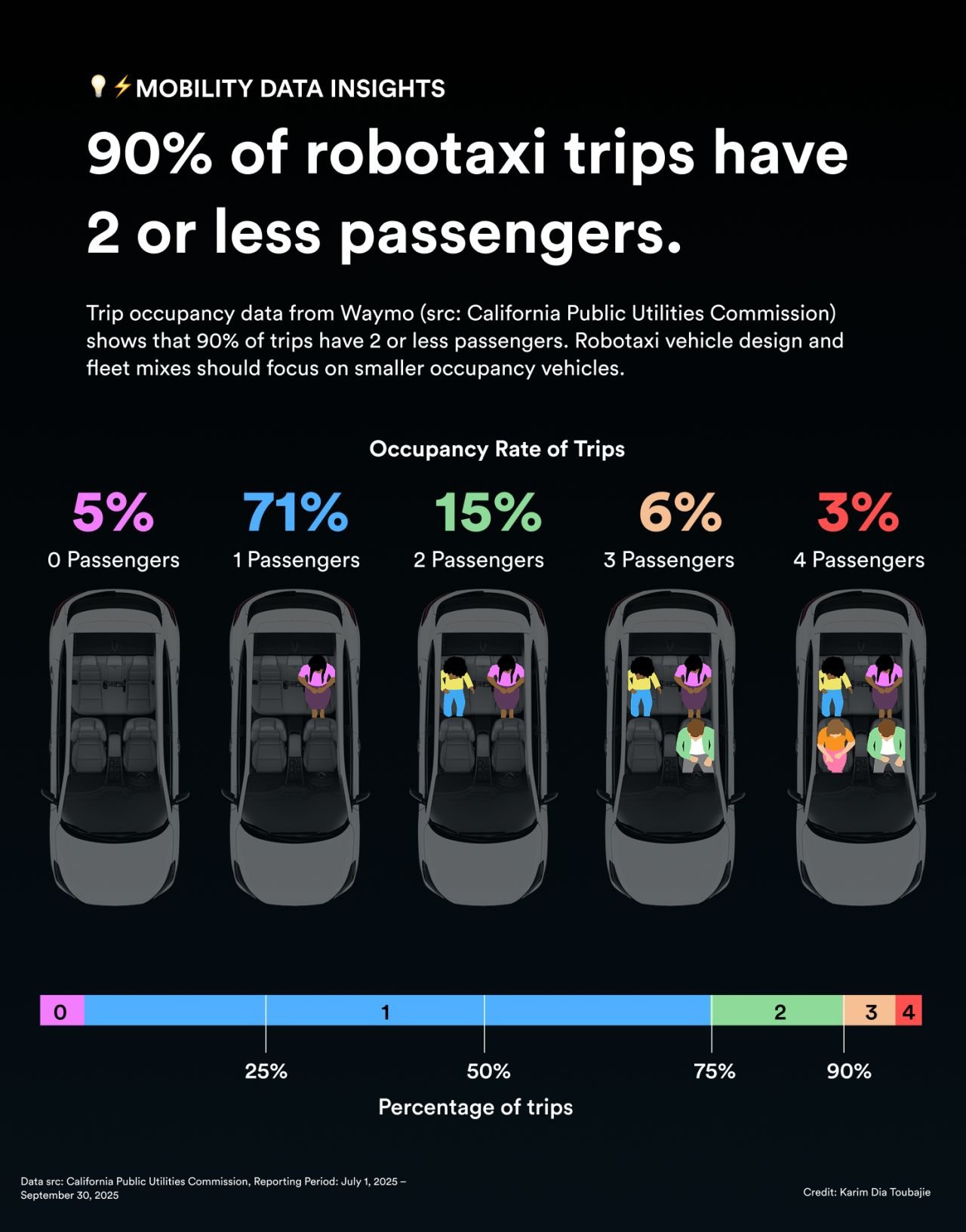
For now, both Waymo and Tesla continue to operate their pilot robotaxi services primarily with five-seat vehicles as they prioritize software validation, safety metrics and regulatory approvals before transitioning to fully optimized autonomous designs.
See also: Study Suggests AI Chatbots Could Enhance Communication in Autonomous Vehicles
The latest occupancy figures are expected to intensify debate across the industry over how future robotaxi fleets should be designed to balance efficiency, cost, safety and passenger comfort at scale.