
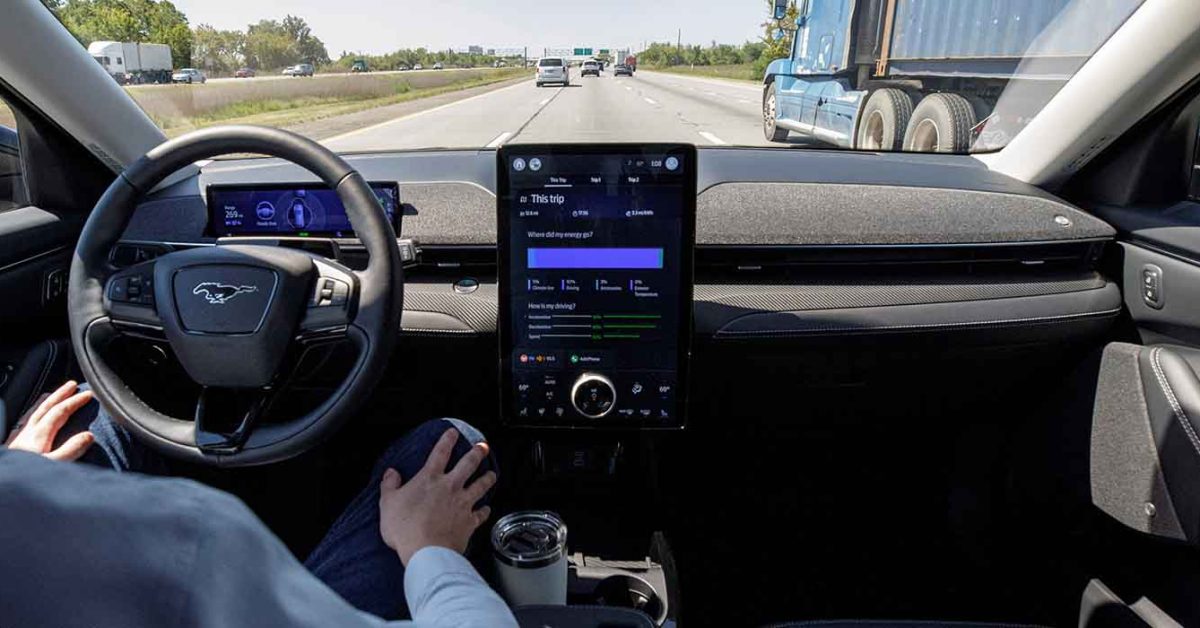
A new global study indicates that autonomous vehicles and robotics are transitioning from experimental technologies to strategic imperatives for businesses across sectors. The research, conducted by Segments.ai in partnership with Reuters Events, highlights a sharp rise in planned investment and operational deployment of machine learning and autonomy in the coming years.
According to the “State of Autonomy 2025” report, 92% of surveyed companies plan to increase investment in machine learning over the next three years. Meanwhile, 82% of organizations now consider autonomous systems to be a high strategic priority, a clear shift toward mainstream adoption across industries such as automotive, logistics, manufacturing, and warehousing.
Despite strong expectations, full implementation remains limited. Only 4% of respondents reported achieving complete autonomy today. However, 84% anticipate that autonomous robotics will have a significant operational impact by 2028. The warehousing sector is currently leading adoption efforts, with 22% of companies in that industry reporting full autonomy, benefitting from controlled and structured environments ideal for deploying robotic systems.
Challenges persist, particularly around data quality and workforce readiness. Over half of respondents identified noisy or unreliable data as a barrier to progress, while 41% noted a shortage of skilled talent in machine learning and perception engineering. As a result, companies are increasingly turning to external data labeling services and focusing on high-quality data pipelines to advance development.
The outlook remains positive, with 63% of organizations expecting real-world autonomous system deployments to grow by at least 20% within the next three years. Investment is largely focused on image data, followed by text and point cloud data. Technologies such as self-supervised learning, generative AI, and online mapping are anticipated to accelerate adoption.