



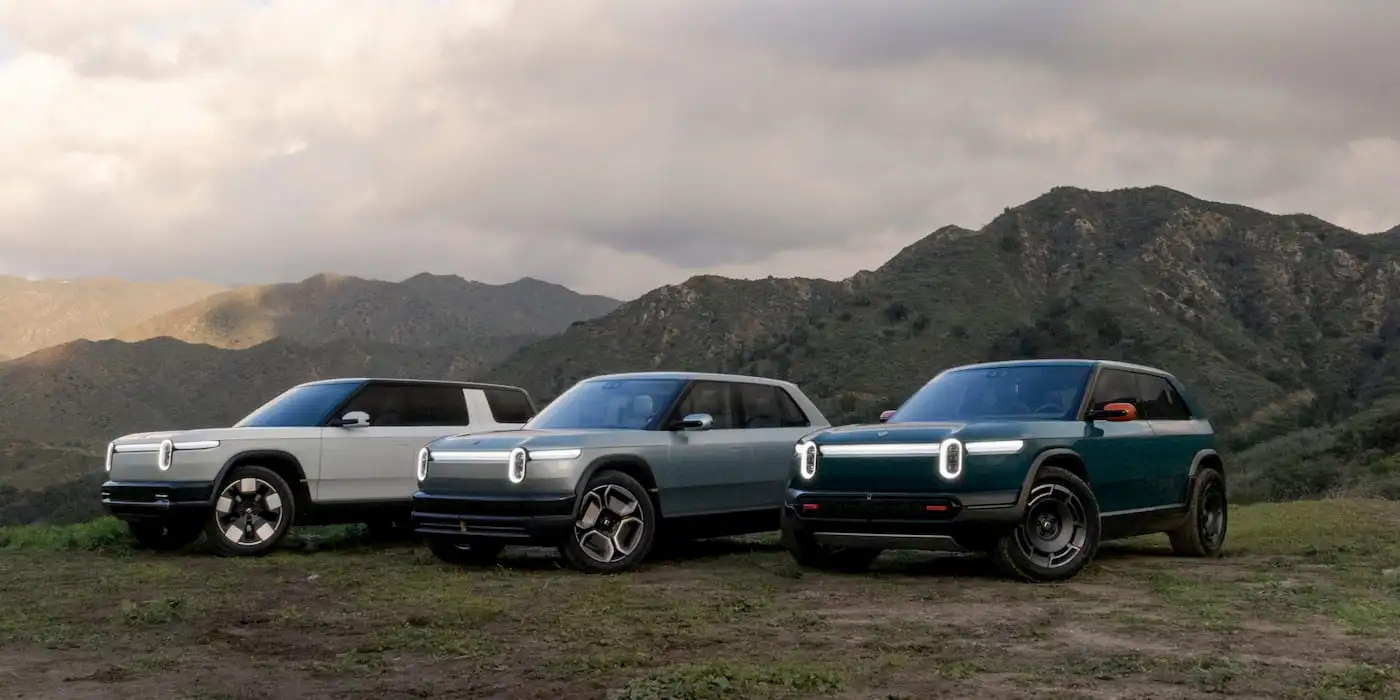
Volkswagen is investing $5.8 billion in Rivian to leverage the U.S. automaker’s expertise in next-generation electronic architecture and software, a move that underscores the German company’s strategy to enhance its EV technology.
Volkswagen brand chief Thomas Schäfer said the partnership will focus on improving the electronic systems within vehicles. “The body systems, the drivetrains, the infotainment… all electronics in the vehicle,” Schäfer told TopGear, adding that luxury brands Porsche and Audi will be the first to integrate the new technology, with Scout Motors also set to benefit.
See also: Rivian and Volkswagen’s EV Tech Collaboration Sparks Interest from Other OEMs

Shift to Centralized Architecture
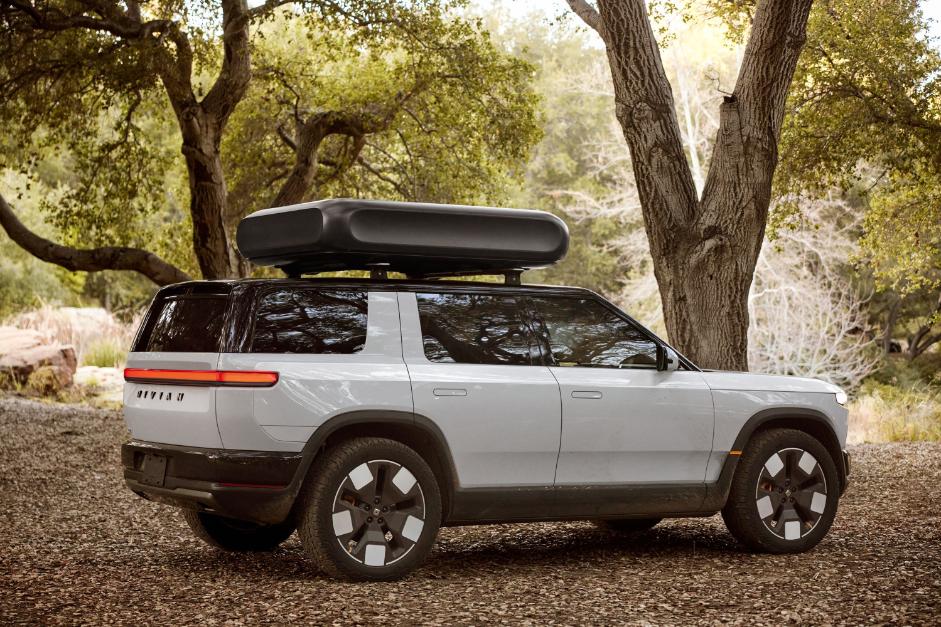
The collaboration does not involve platform sharing, meaning Rivian’s upcoming R2 and R3 models will remain distinct from Volkswagen’s vehicles. Instead, Volkswagen aims to transition from its current multi-unit control system to a more centralized electronic architecture.
“Our vehicles at the moment are multi control unit electronic architectures,” Schäfer explained. “Every part of the car—whether the seat or the window wiper—has [an] individual intelligent control unit that speaks all sorts of languages. So to keep it together in the vehicle is very complex.
See also: Volkswagen Appoints Former Rivian Executive to Lead U.S. Operations Amid EV Challenges

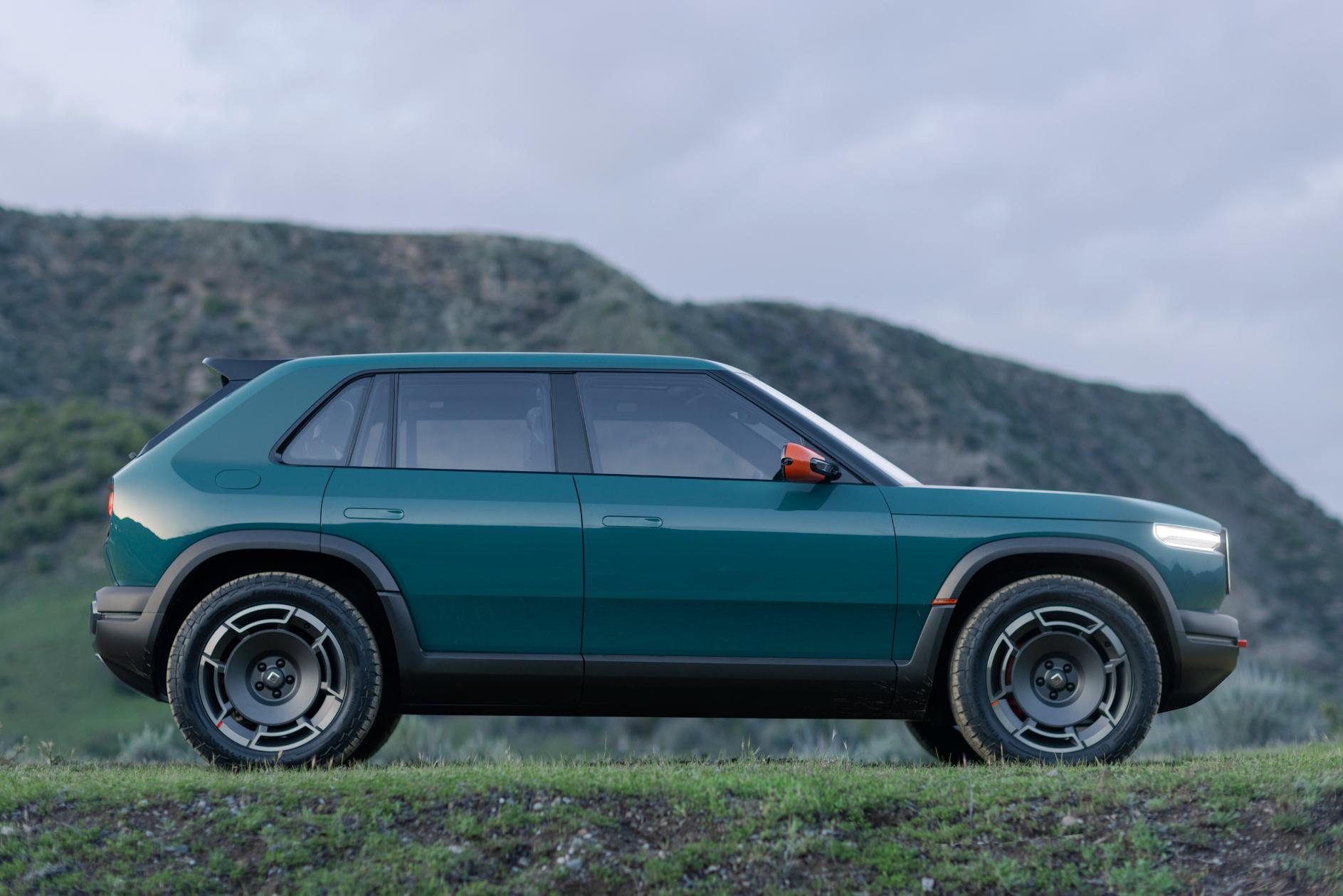
“The future is a central unit. And you have sort of dumb units around that the central computer organises. So you have a much easier updatable architecture.”
Strategic Decision on Software Development
While some automakers, such as BMW, are developing similar architectures in-house, Volkswagen opted for a partnership with Rivian. Schäfer defended the approach, citing scale and efficiency as key considerations. “Well, how big is BMW?” he said. “We could also do stuff in-house. It’s a question of ‘Can you do it at the right speed and cost?’ It’s always a debate, is it right?”

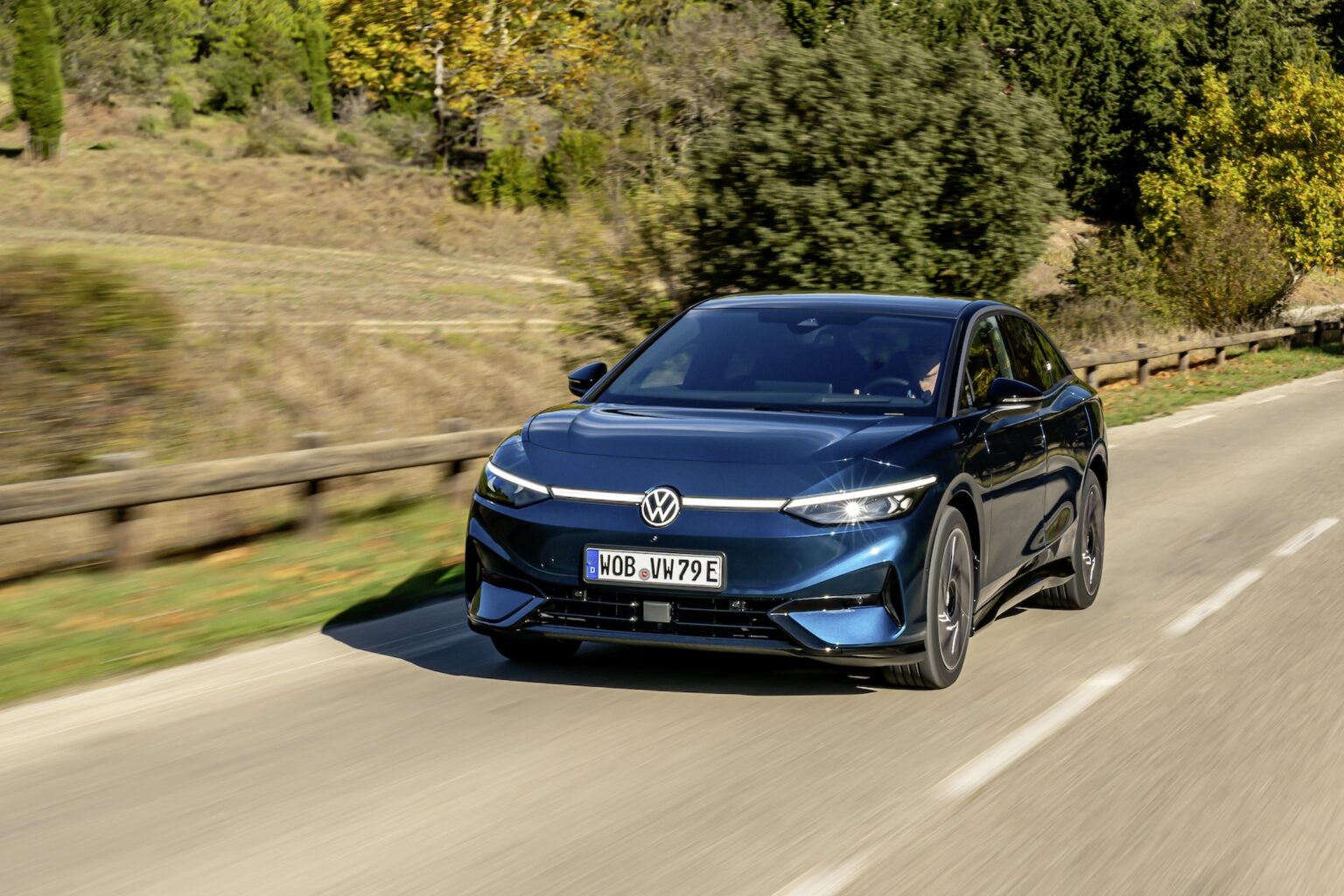
Volkswagen has struggled with its in-car software systems in recent years but insists that its latest infotainment updates—implemented in models like the ID.3, ID.4, and ID.7—are now “perfect” and “state of the art.”
By joining forces with Rivian, Volkswagen aims to accelerate its transition to a more advanced, streamlined EV architecture across its multiple brands, as the industry moves toward more integrated electronic control systems.


