


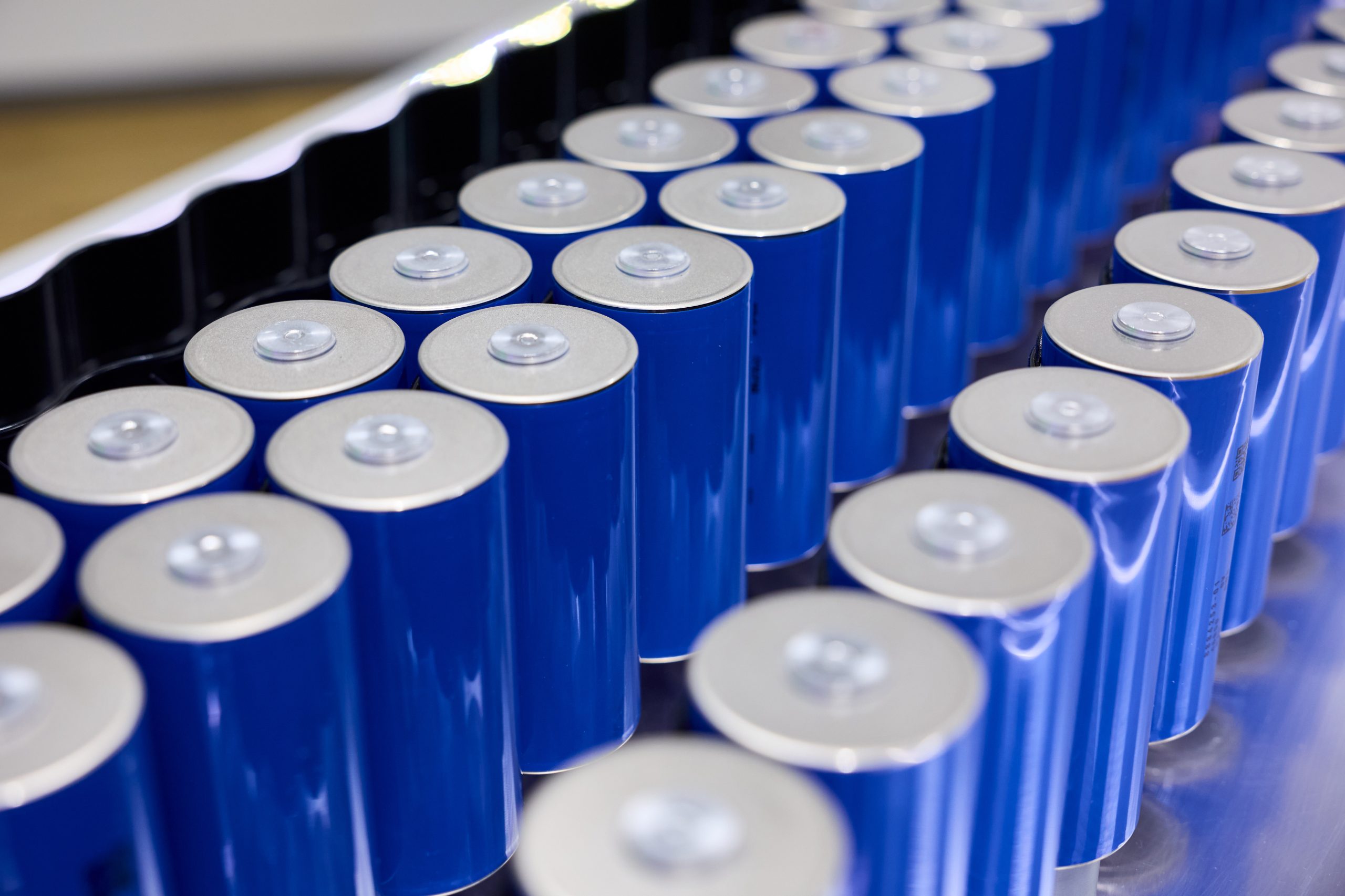
Europe’s dependence on Asian battery manufacturers increased further in 2025, with 77% of electric vehicle battery cells produced in Asia, up from 70% a year earlier, according to a new study by Deloitte.
The report highlights Europe’s continued reliance on Asian suppliers, particularly Chinese manufacturers such as CATL, even as governments and automakers seek to build a domestic battery industry.
Europe Faces Growing Battery Dependence
Deloitte estimates that European battery companies could miss out on around €10.5 billion in profits over the next four years if battery cells used in electric vehicles manufactured in Europe continue to be sourced largely from overseas producers.
When broader factors are considered—including imported battery materials, production equipment and skilled workers from Asia—the consultancy estimates the total loss in economic value could reach between €100 billion and €150 billion by 2030.
Although Europe accounted for 13% of global battery cell manufacturing capacity in 2025, Deloitte said approximately 98% of that capacity was controlled by Asian-owned companies.
Many battery plants operating in Europe, including CATL’s facility in Arnstadt, Germany, are owned by Asian manufacturers.
Investment Challenges
Several European companies have considered investing in large-scale battery cell production but have been deterred by the capital requirements and commercial risks.
Bosch Chief Executive Officer Stefan Hartung said earlier this year that becoming a competitive battery cell producer would have required investments worth tens of billions of euros, citing the financial risks following setbacks at several European battery ventures, including Swedish manufacturer Northvolt.
EU Steps Up Support
The European Union has recently launched its “Battery Booster” initiative, offering interest-free loans to support the expansion of battery cell manufacturing across the region.
Projects expected to benefit include facilities being developed by ACC, Verkor and Volkswagen Group’s battery subsidiary PowerCo, all of which aim to strengthen Europe’s domestic battery production capacity.
Value Chain Remains a Weakness
According to Deloitte, between 50% and 60% of battery value is created during raw material extraction and processing, while battery cell manufacturing accounts for a further 15% to 30%.
The study found that European companies remain least competitive in these parts of the supply chain, with 83% of surveyed businesses identifying battery component manufacturing as a major challenge and 82% highlighting difficulties in raw material extraction and processing.
Despite those challenges, several projects are progressing in Europe to strengthen the regional supply chain. Among them is Vulcan Energy’s planned lithium extraction project in Germany’s Upper Rhine Valley, alongside a lithium processing facility in Frankfurt-Höchst, both targeted to begin operations in 2028.
Harald Proff, Global Automotive Sector Leader at Deloitte, said batteries have become a defining factor in the competitiveness of electric vehicles, making it increasingly important for Europe to strengthen its position across the battery value chain and reduce reliance on external suppliers.


