
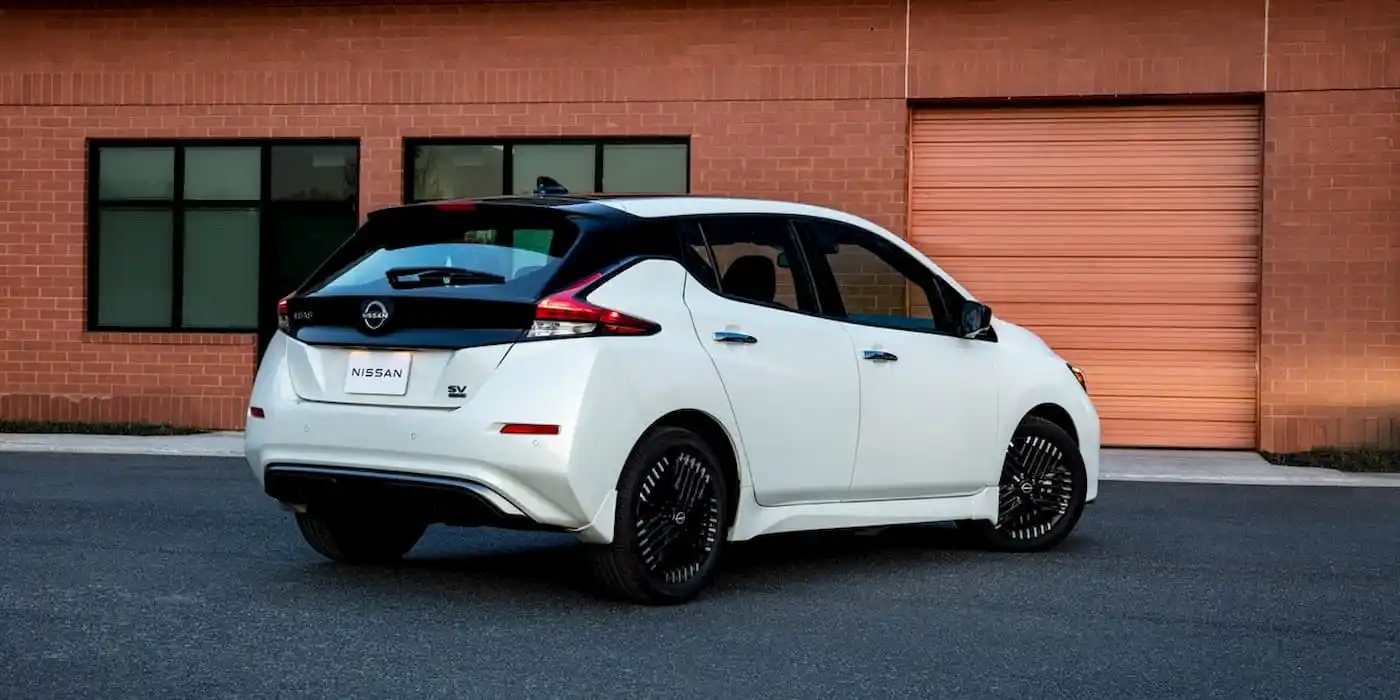
The UK government’s Electric Car Grant (ECG) has so far shown limited success in encouraging new demand for electric vehicles, according to research by independent transport think tank New AutoMotive.
The report, titled “That Fuzzy Feeling: A First Analysis of the Impact of the Electric Car Grant,” found modest evidence of buyers switching from non-eligible to eligible models, such as the Ford Puma and Nissan Ariya. However, the overall market share of ECG-eligible battery electric vehicles remained unchanged in September at 23.8% — the same as before the grant was introduced.
See also: JLR To Resume Production After Cyberattack As UK Offers $2 Billion Loan Guarantee

New AutoMotive said this indicates that the grant may largely be providing discounts to consumers who would have bought the same vehicles regardless. The scheme, which offers financial incentives on more than 20 eligible models, could have already cost up to £31 million in its first month. At this rate, the £1.6 billion fund may be exhausted up to two years earlier than planned, by 2026 or 2027.
“The Electric Car Grant has sent a strong signal of government commitment to EVs, supporting consumer confidence, the expanding used market and green jobs,” said David Farrar, Policy Manager at New AutoMotive. “But it isn’t yet clear that it’s prompting consumers to consider buying cars that they wouldn’t have gone ahead and bought anyway.”
See also: Tesla UK Revenue Falls by £500 Million as Energy Arm Weakens, Dividend Still Paid
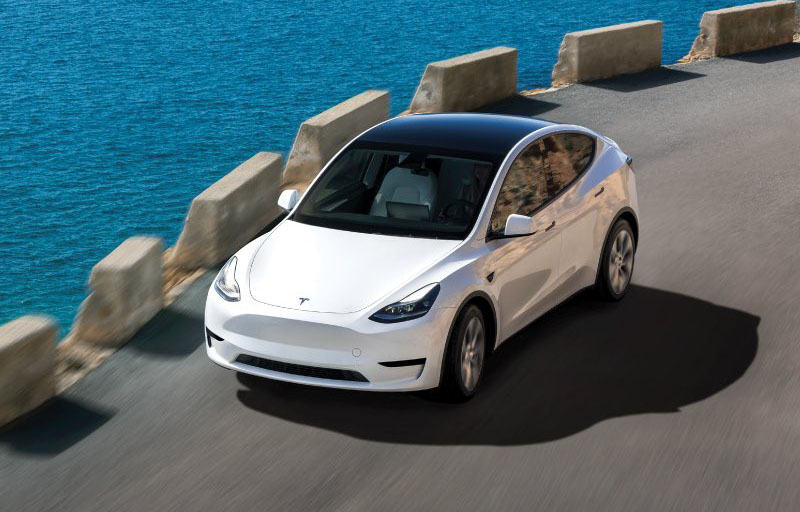
The report also highlighted disparities in charging costs, noting that drivers without off-street parking face running costs up to seven times higher than those with home chargers. According to ZapMap data, slow public charging averages around 51 pence per kWh, compared to about 7 pence per kWh for home off-peak charging.
New AutoMotive suggested that policies lowering public charging costs — at no additional cost to taxpayers — would be more effective in helping more people access the savings of driving electric. It also noted that manufacturer-led grants from MG and Volvo appeared to boost those firms’ market share, further demonstrating that incentives can influence consumer choice when targeted effectively.
One in Three UK Drivers Ready to Switch to EVs, Renault-Backed Study Shows