
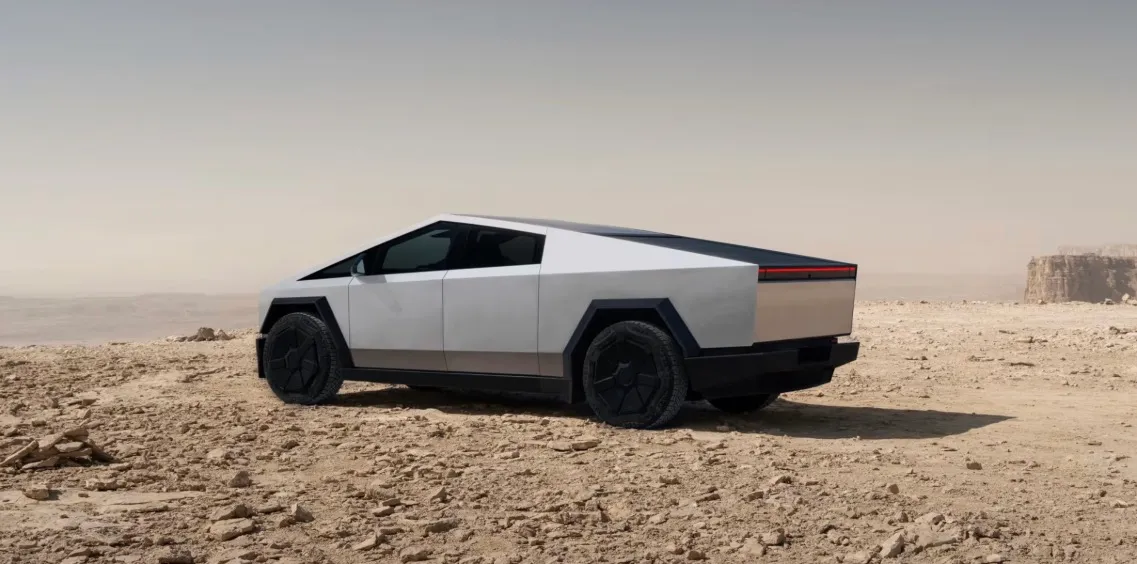
Tesla’s efforts to scale production of its 4680 battery cells have encountered new challenges as demand for the Cybertruck remains below initial expectations, according to a report by Bloomberg.
The battery technology, unveiled in 2020 as a cornerstone of Tesla’s long-term cost and production strategy, was intended to support higher-volume vehicle manufacturing and a future lower-priced electric model.
See also: Tesla Opens Engineering Review Into Cybertruck Windshield Wiper Performance
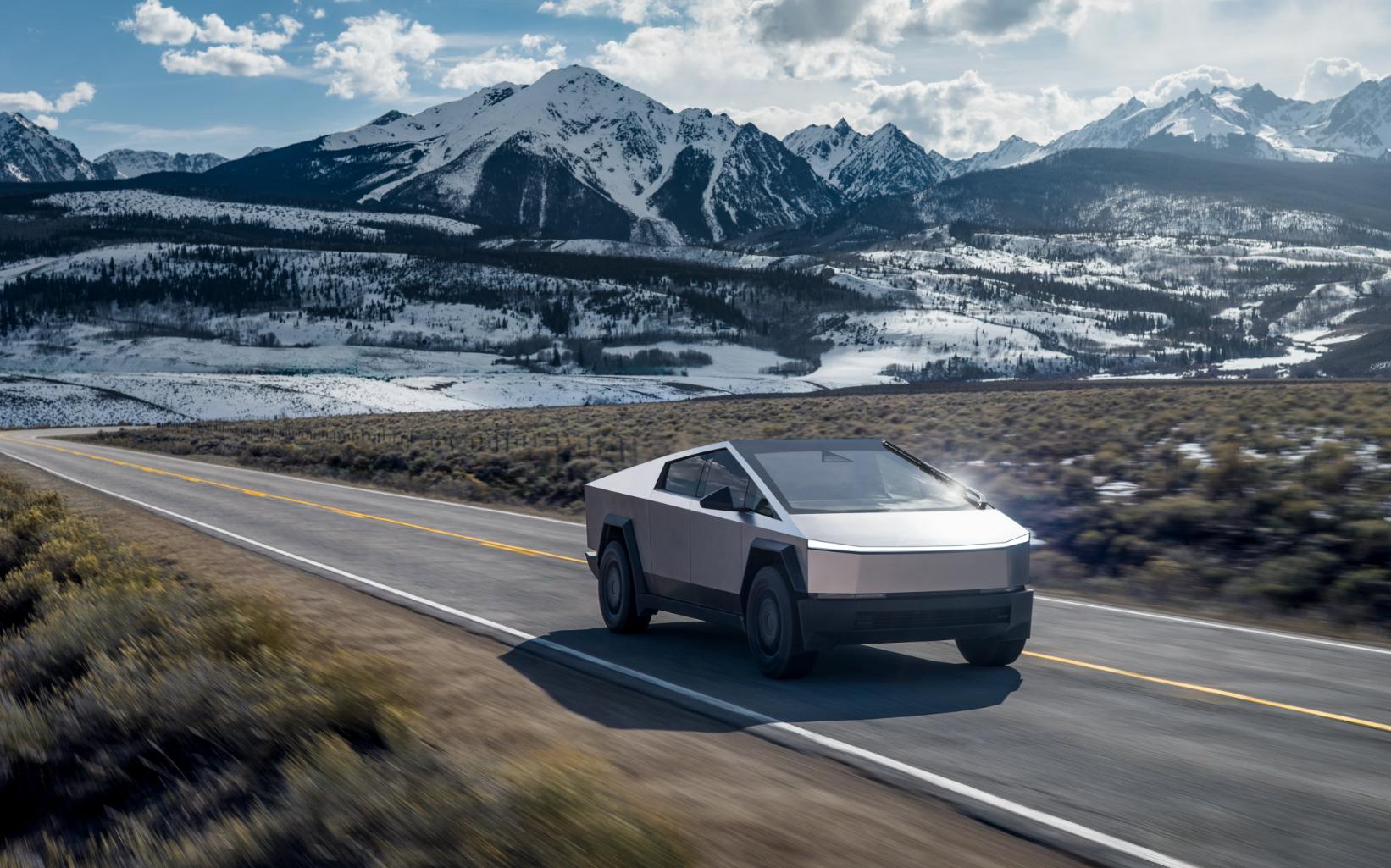
One supplier affected by the slowdown is South Korea’s L&F, which had signed a supply agreement linked to the 4680 battery program. The company ultimately delivered only limited volumes, as development of the Cybertruck progressed more slowly than originally planned. In addition to production delays, broader policy and economic factors — including changes related to U.S. electric vehicle incentives — also weighed on the scope of the agreement.
The 4680 cells are currently used mainly in the Cybertruck, whose market uptake has been more modest than anticipated. As a result, Tesla’s demand for the new battery format has been lower than originally projected, affecting upstream suppliers and production planning.
See also: Tesla Cybertruck Program Head Siddhant Awasthi Exits After Eight Years
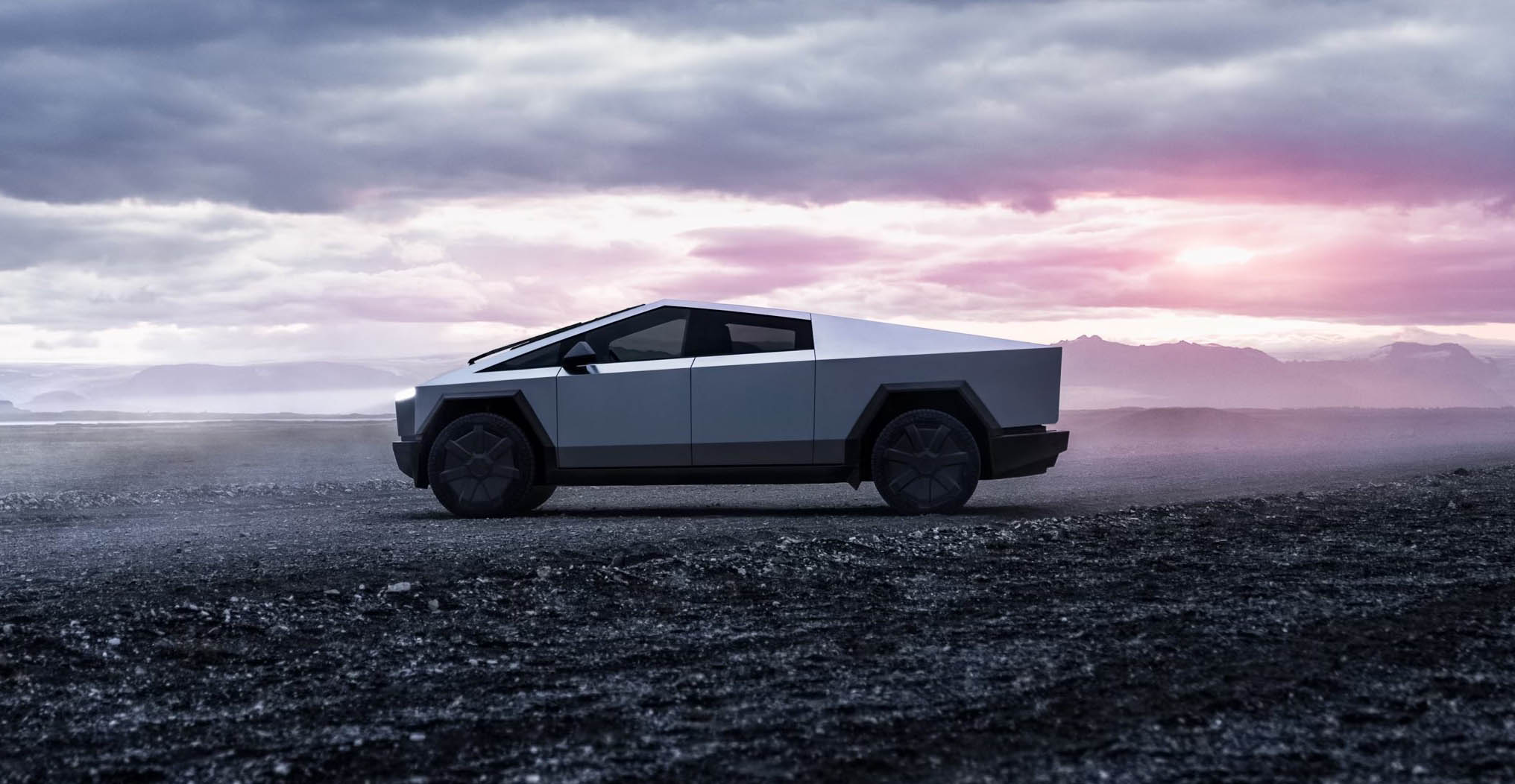
Amid the softer sales environment, SpaceX has emerged as a notable buyer of the Cybertruck, reportedly purchasing more than 1,000 units, with the potential for additional orders. While neither company has detailed the intended use of the vehicles, the purchases underscore the close operational ties between Elon Musk’s companies and suggest Tesla may be leaning on internal demand as it navigates a slower-than-expected ramp-up of its latest vehicle platform.