
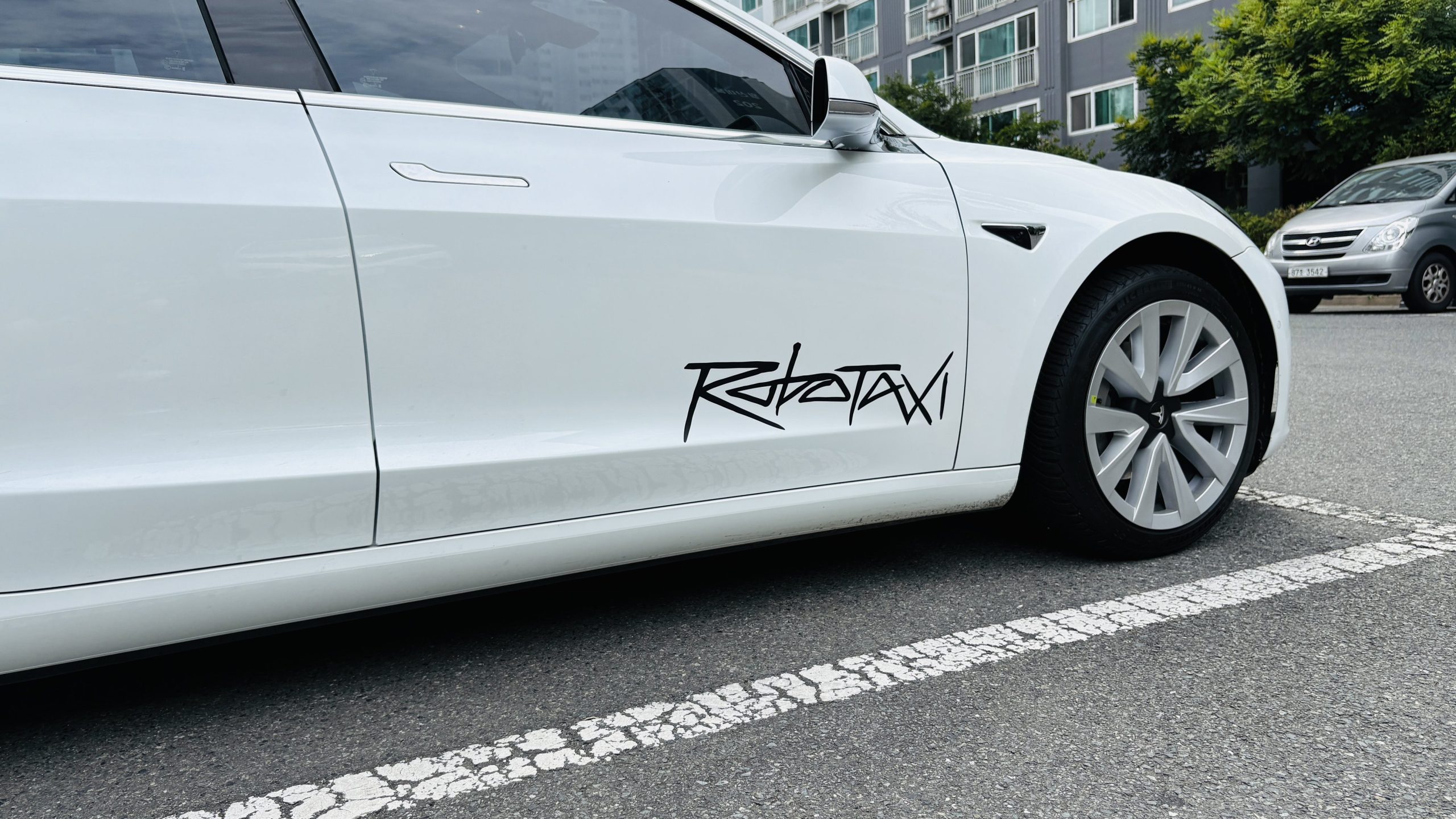
Tesla has expanded its autonomous ride-hailing pilot to California’s Bay Area, following more than a month of service in Austin, Texas. The new geofenced service region stretches approximately 80 miles, covering parts of San Francisco, Berkeley, Oakland, Fremont, and extending to San Jose.
According to an update in Tesla’s robotaxi app on Wednesday night, “rides are now available in the Bay Area.” A newly released map outlines a significantly larger operating zone than what was initially available in Texas, where Tesla first launched the service in June with limited coverage in the southern section of Austin.
The company expanded its Austin operations in the weeks following launch, citing a stable safety record. With no reported major safety incidents since its debut in Texas, Tesla has now taken its next step in California. However, the Bay Area rollout comes with operational differences due to regulatory constraints.
Unlike Austin, where Tesla’s vehicles operate without a driver in the front seat—though a safety operator sits in the passenger side with intervention capability—the California service includes a safety driver positioned behind the wheel. This distinction reflects current regulatory limitations set by the California Public Utilities Commission (CPUC), which has not yet granted Tesla a permit to operate fully driverless vehicles.
Tesla has not applied for a CPUC permit as of now, but the launch in California allows the company to begin that process. It remains unclear how long it will take to secure approval to remove safety drivers from the Bay Area fleet.
The rollout invites comparison to Waymo’s robotaxi network, which covers San Francisco, Daly City, and Burlingame, with partial operations in Silicon Valley. However, unlike Waymo’s two disconnected service areas, Tesla’s Bay Area deployment offers a continuous north-to-south corridor.
While Tesla continues to expand geographically, the structure of its robotaxi service remains shaped by local regulation. The company has not disclosed if remote safety operators—currently used in Texas—will also support the California rollout.