
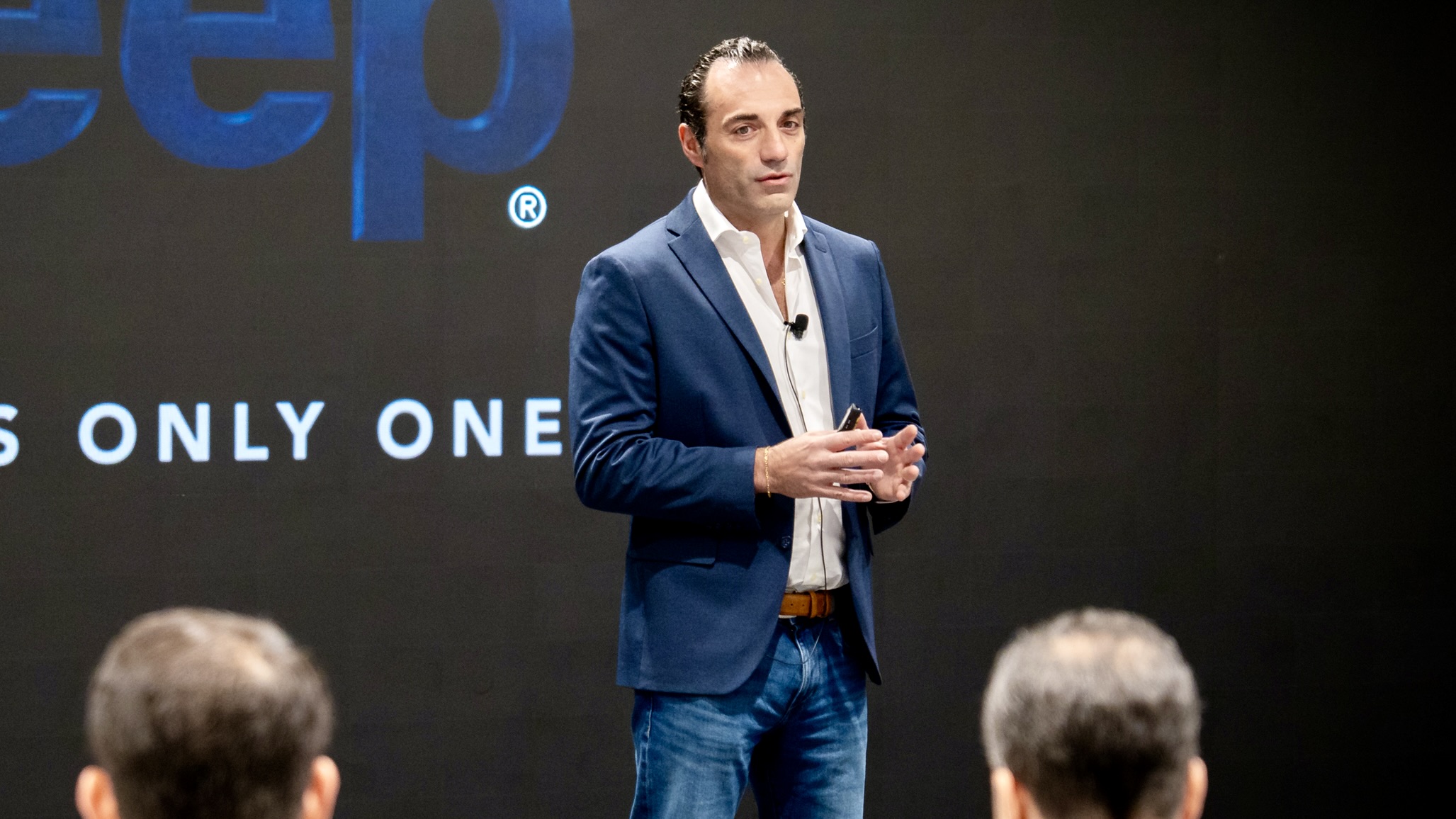
Stellantis CEO Antonio Filosa expects the US automotive market to adopt electrification more slowly than other regions, although he believes electric vehicles will eventually gain wider acceptance, Reuters reported.
Speaking at an event alongside the Paris Motor Show 2026, Filosa said electric vehicles accounted for 7% of US auto sales in 2026, the same share recorded five years earlier. He attributed the limited progress partly to changes in government policy and consumer preferences.
US EV Adoption and Consumer Demand
Filosa said regulatory policy had played a significant role in shaping demand for electric vehicles in the United States. He argued that consumers had shown greater interest in other powertrain options following a shift toward deregulation.
It has been a bubble driven by regulation. But then, when the administration has decided to deregulate, the consumers have been preferring other powertrains.
For Stellantis, North America remains a key market, with interest growing in range-extender technology for larger pickups and SUVs. The technology uses an onboard combustion engine to generate electricity and support an electric drivetrain, helping extend a vehicle’s driving range.
Filosa said demand for this technology reflected customer preferences rather than regulatory requirements.
Not regulation driven, it’s customer driven.
Despite the relatively low share of electric vehicles in US sales, Filosa said he remained confident that electrification would eventually expand across the market.
The level of magnitude and the speed of transition is going to be lower for sure than other regions.
He added that Stellantis could apply lessons from Europe’s electric vehicle rollout as the North American market develops.
Automotive Industry Becomes More Regional
Filosa also pointed to a broader shift in the global automotive industry as trade barriers and changing trade policies encourage manufacturers to focus more closely on regional markets.
The recent trade regimens around the world have triggered the process of regionalisation. So, what was the global industry before, now it’s less global and more regional.
The shift is increasing the importance of adapting vehicles and business strategies to local customer preferences, market conditions and regulations, while retaining the benefits of global scale.
Partnerships and Technology Strategy
Filosa said technology would remain a central factor in the industry’s development, requiring automakers to respond to changing technical requirements and market trends. Stellantis is looking to partnerships as one way to address these demands.
Techs are important, so it’s very important for the companies to adapt to the trend and find a way. Our way is partnerships. So we see so many important partnerships that we can explore.
His comments reflect the different paths automakers may take as electrification progresses unevenly across major markets. For Stellantis, the strategy involves preparing for longer-term EV adoption while responding to current demand for alternative powertrains, particularly in the United States.