
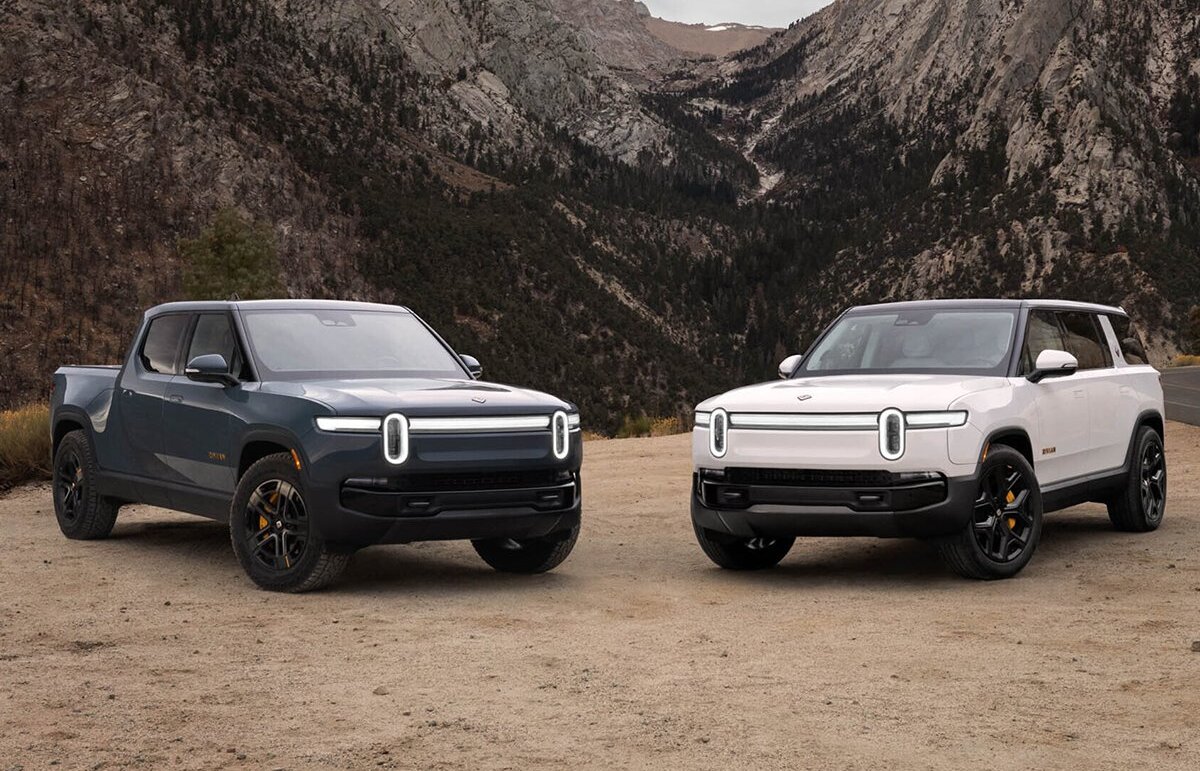
Rivian is progressing toward more advanced hands-free driving capabilities in its electric trucks, with point-to-point driving expected by 2026, CEO RJ Scaringe said in a recent interview with InsideEVs. The company aims to move beyond current driver-assistance systems, which require constant attention from the driver, toward full personal autonomy in everyday driving.
Rivian has been developing technology that would allow vehicles to operate on city streets and highways without direct input from drivers. “We’re at the precipice of starting to see the delivery of capabilities that map to all this infrastructure that we built. First was hands-free. The obvious next step is hands-free everywhere. Then the next step is the vehicle can drive itself point-to-point, you know, address to address,” Scaringe said. He noted that while the timeline is not exact, the company is targeting 2026 for hands-free, point-to-point functionality.
The company’s approach addresses limitations in current Level 2 systems, where drivers are supposed to remain attentive but often treat the technology as if it were Level 3. “One of the unspoken things about self-driving systems—especially in personally-owned vehicles—most systems are level two, meaning you, as the driver, are supposed to be attentive to the road and paying attention as a redundant layer but not actually driving the vehicle. The way that this is often measured is your hand on the wheel or your eyes on the road. So what happens is, as we well know, you put your hand on the wheel, but you’re still texting. This is very, very common. And so it’s just a workaround to treat your level two as if it’s a level three,” Scaringe said.
Scaringe also emphasized the potential market impact of hands-free driving, noting that consumer demand for the feature is rising. “I do think that as we get to the end of this decade, like as we get to like 2030-2031, the ability to have hands off, eyes off in most situations is going to become very valuable and will start to drive a lot of purchase decisions,” he said. He added that the trend toward autonomy could indirectly accelerate adoption of electric vehicles.
Rivian’s strategy highlights the broader automotive industry’s push to integrate autonomous capabilities into consumer vehicles while addressing the gap between driver expectations and current technology limitations.