
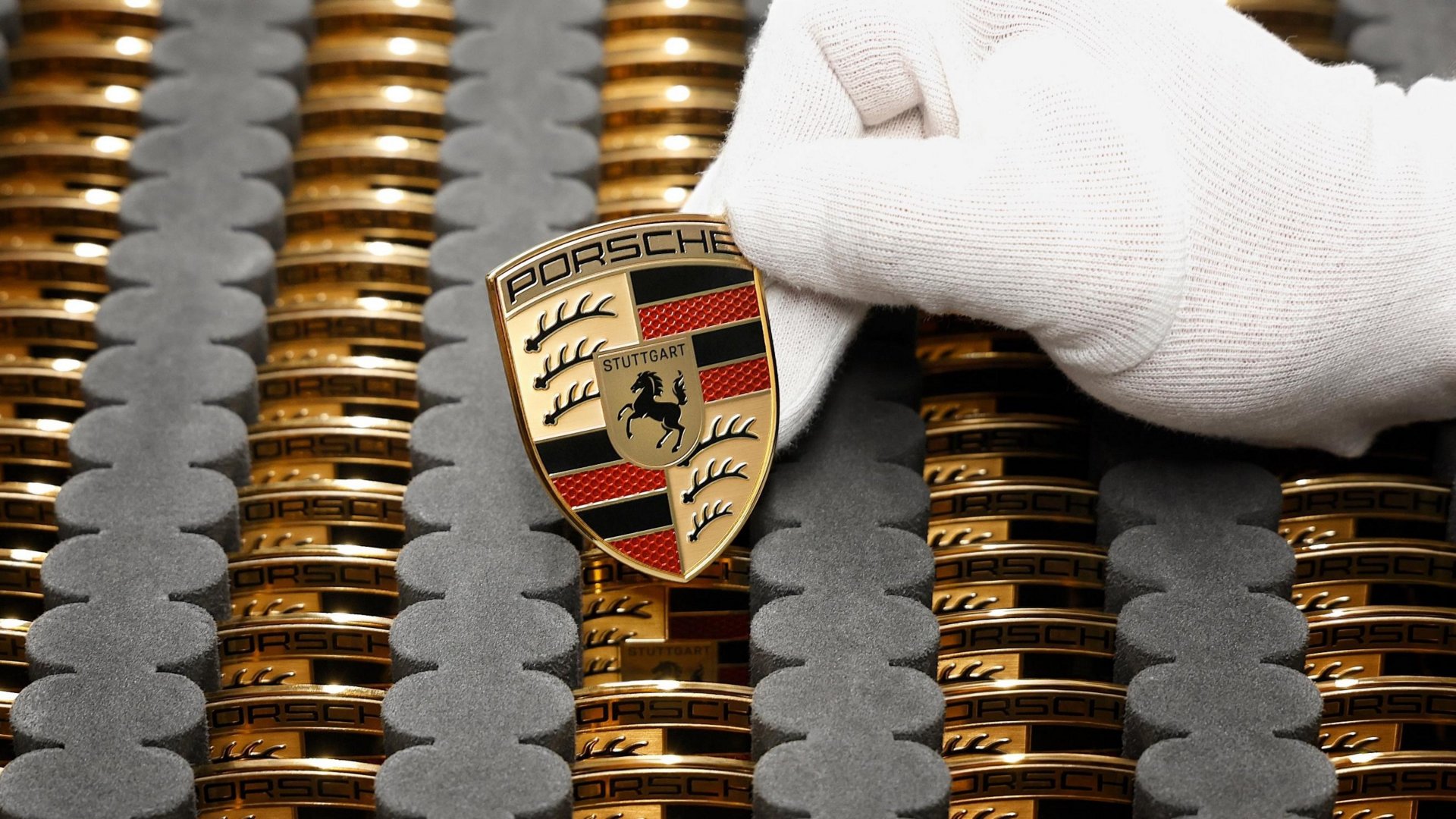
Porsche has shelved its plans to independently expand high-performance battery cell production through its Cellforce Group subsidiary and lowered its full-year profit forecast for 2025, citing a slower-than-expected uptake in electric vehicles and mounting external pressures.
The German automaker said its Executive and Supervisory Boards had approved a strategic realignment of its battery activities. “As a result of this and due to negative impacts from other battery activities, the amount of special expenses in the financial year 2025 will in total increase from €0.8 billion to €1.3 billion,” Porsche said in a statement.
See also: Porsche Engineering Unveils Innovative AC Battery Concept for EVs
The Cellforce Group, a venture originally founded with Customcells and later fully acquired by Porsche, was set to scale up bespoke battery production to 20 GWh annually. That ambition has now been paused, though the company has not ruled out partnerships. It remains unclear whether Porsche will seek investors, a strategic buyer, or eventually divest from the business entirely.
The company’s challenges are not confined to battery strategy. Porsche flagged weakening demand in China’s electric luxury vehicle segment and added that recently introduced U.S. tariffs would affect all model lines due to the absence of local production.
“Challenging market conditions and declining demand in the all-electric luxury segment will affect development in the financial year 2025,” the company said, noting that tariff-related financial impacts in April and May had been factored into its revised guidance, while longer-term effects remain uncertain.
Porsche now forecasts full-year revenue between €37 billion and €38 billion, down from a previous range of €39 billion to €40 billion. The operating margin is expected to fall between 6.5% and 8.5%, significantly below the prior 10% to 12% forecast and well under its long-term target of 18% to 20%.
Despite the setbacks, Porsche has maintained its projection that battery electric vehicles (BEVs) will account for 20% to 22% of its global sales mix.