
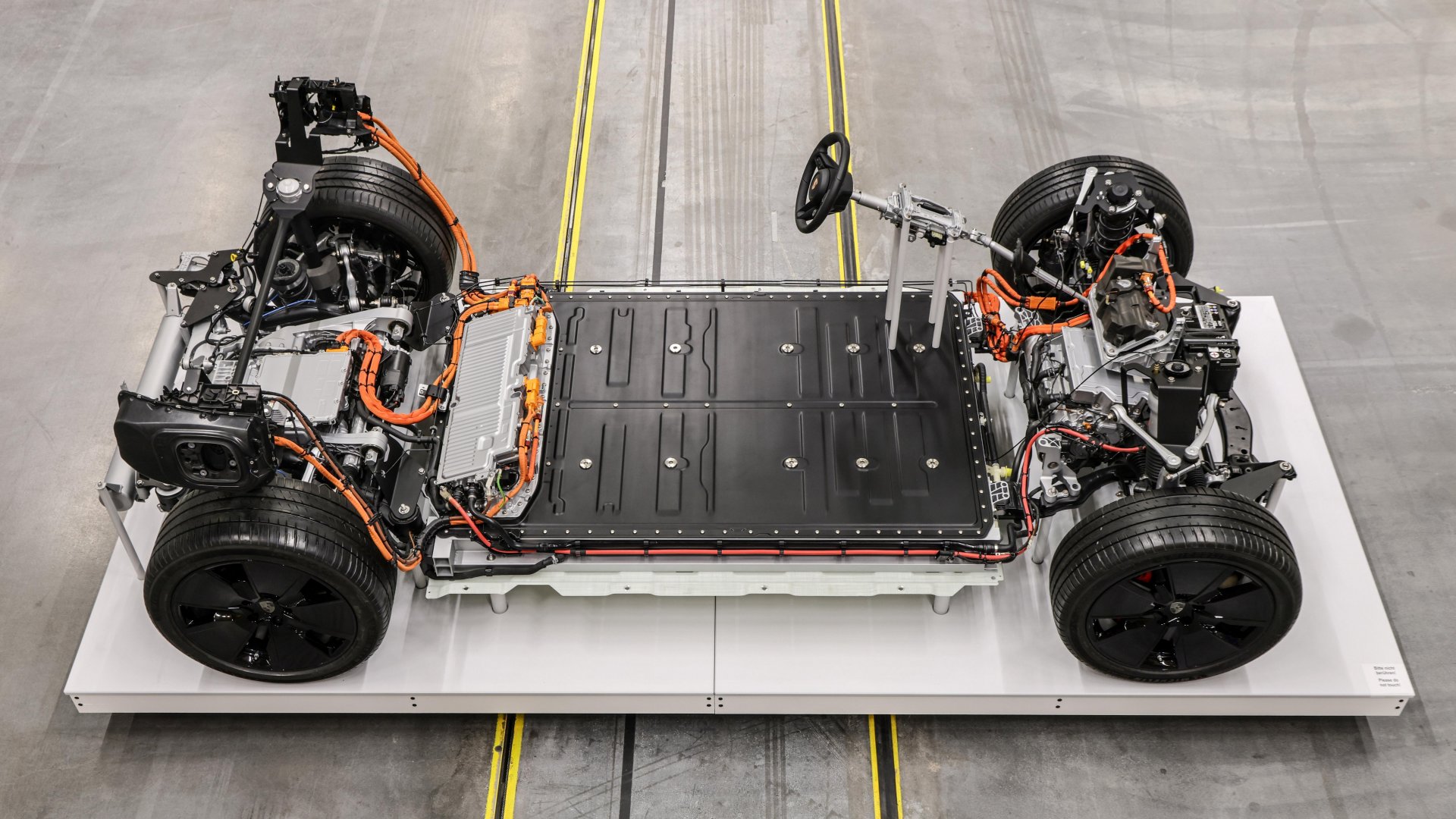
Porsche is employing sophisticated battery management and robust cell technology to ensure its electric vehicle (EV) high-voltage systems achieve a lifespan and reliability target of at least 15 years or 300,000 kilometers (approximately 186,000 miles), equivalent to its combustion engines.
The automaker’s strategy involves compensating for the inevitable “initial drop” in capacity—the $1\%$ to $5\%$ capacity loss in the first months of a lithium-ion cell’s life—by pre-setting a higher energy content in newly produced batteries. This allows the battery’s effective State of Health (SoH) to decline more slowly over time.
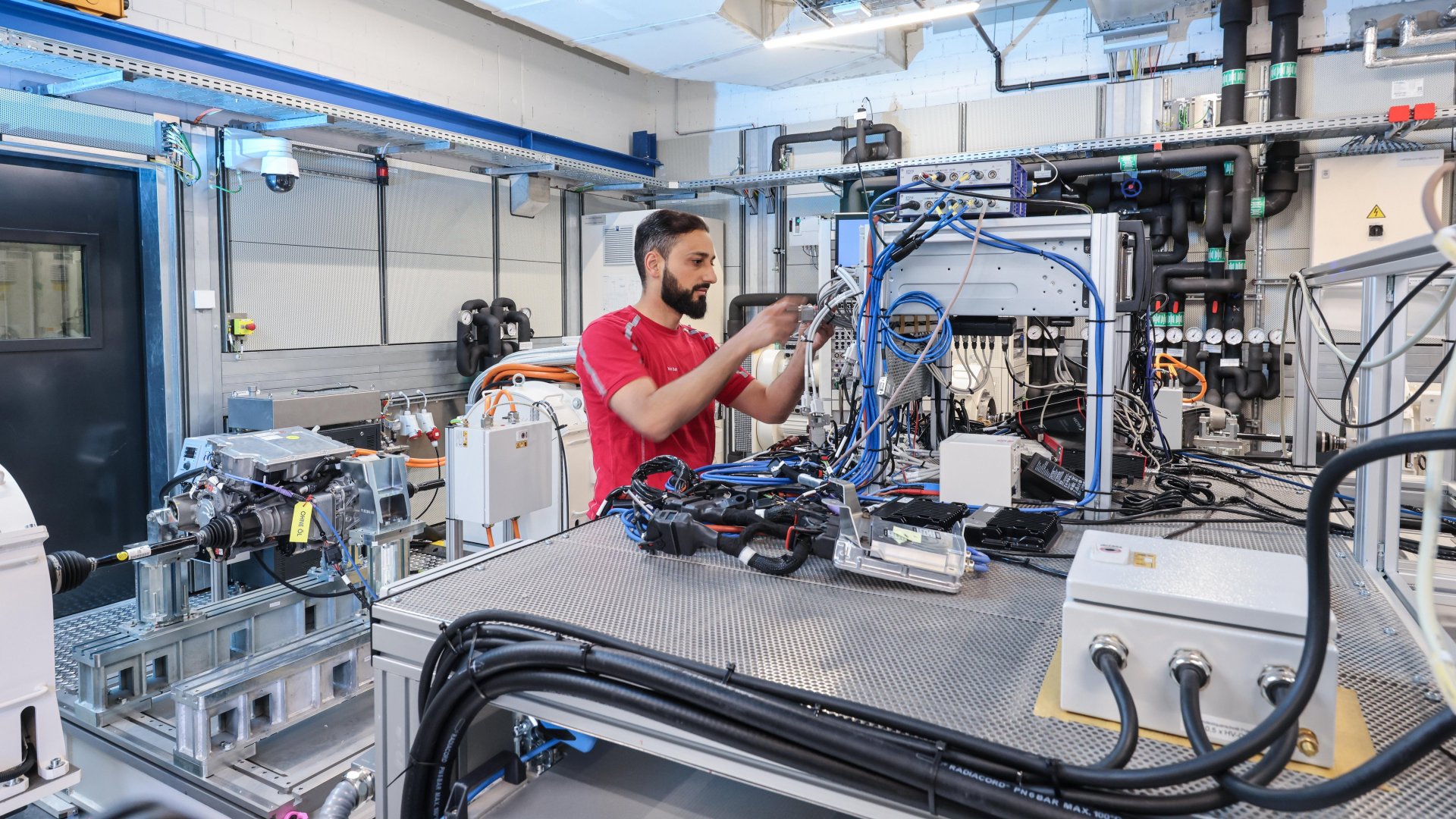
Carlos Alberto Cordova Tineo, a battery cell development and fast charging specialist at Porsche, explained the core challenge of charging: “Batteries actually want to be discharged. They have to be forced to charge.” He noted that intensive use, high temperatures, and maintaining a high State of Charge (SoC) contribute to electrochemical degradation, such as ‘lithium plating,‘ which reduces energy storage capacity. Porsche recommends an SoC below $90\%$ and temperatures below $30^{\circ}\text{C}$ for longer parking periods.
Performance Gains and Reduced Charging Time
Intensive testing, which simulates fast-charging in $50\%$ of cycles—far exceeding the typical customer rate of $15\%$—has yielded significant performance improvements in the current Porsche Taycan.
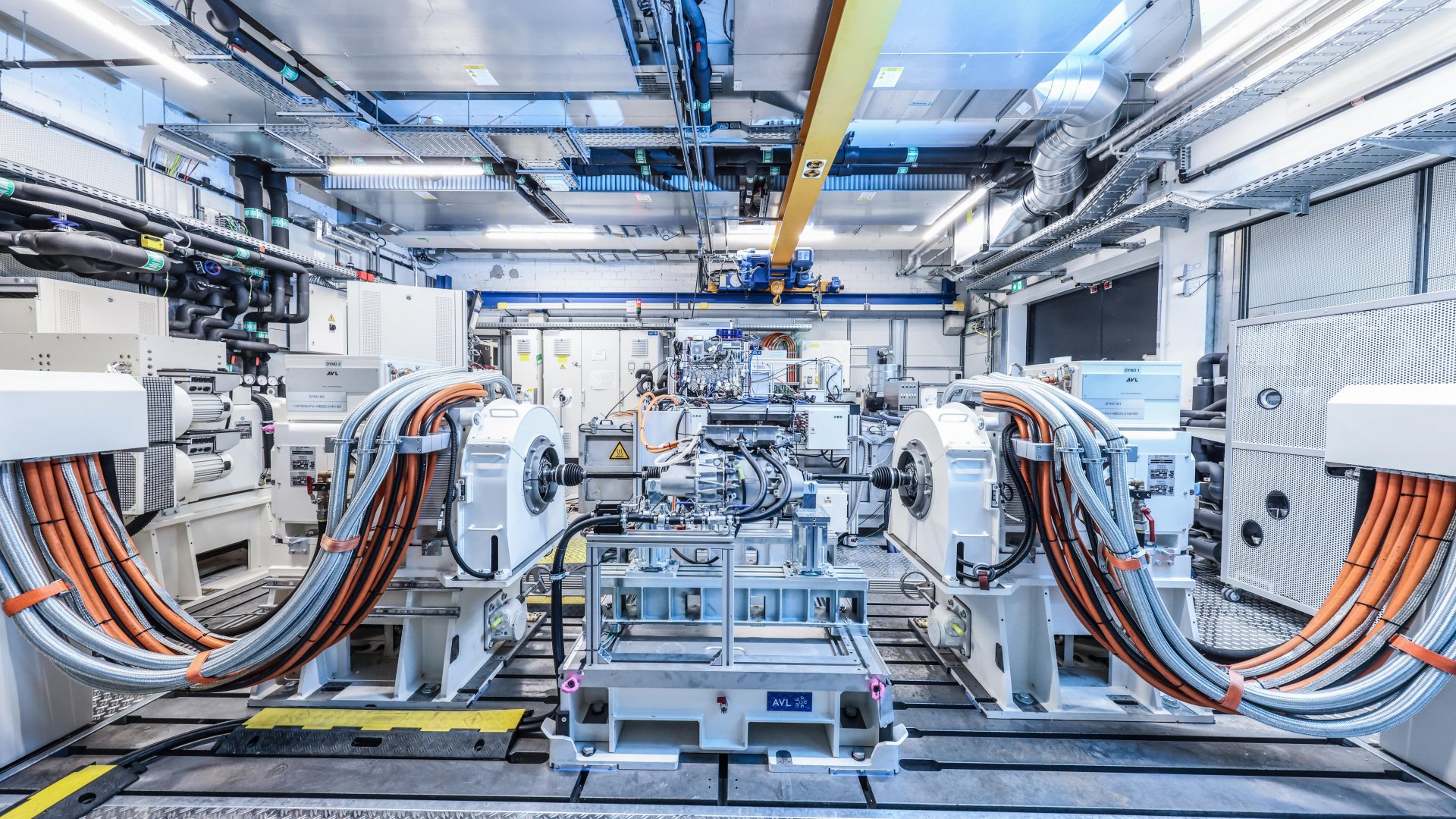
The current model benefits from:
-
Faster Charging: Despite a gross battery capacity increase from 93.4 kWh to 105 kWh, the fast-charging time (10% to 80%) has been reduced from 21.5 minutes to 18 minutes.
-
Higher Power: Charging power has increased from 270 kW to up to 320 kW, and the minimum starting temperature for fast charging has been lowered from $25^{\circ}\text{C}$ to $15^{\circ}\text{C}$.
-
Driving Dynamics: A boost in discharge current from 860 to 1,100 amperes enables faster, more powerful acceleration.
These performance improvements were supported by new technical features, including integrated passive cooling within the cell modules, a cooling plate with enhanced capacity (from 6 to 10 kW), and lighter components, which reduced the battery’s weight from 634 kg to 625 kg.
Extreme Safety Standards
Porsche implements internal safety requirements that impose increased crash severity beyond legal standards for its hybrid and battery electric vehicles.
Simon Maurer, Governor of the Porsche Cayenne and Macan safety system, confirmed the protective focus: “We place all high-voltage components in areas where there is the minimal risk of damage.” The system utilizes additional sensors to detect critical stresses early, automatically disconnecting electric motors and auxiliary units from the high-voltage battery after a crash to dynamically discharge remaining energy and prevent electric shock.
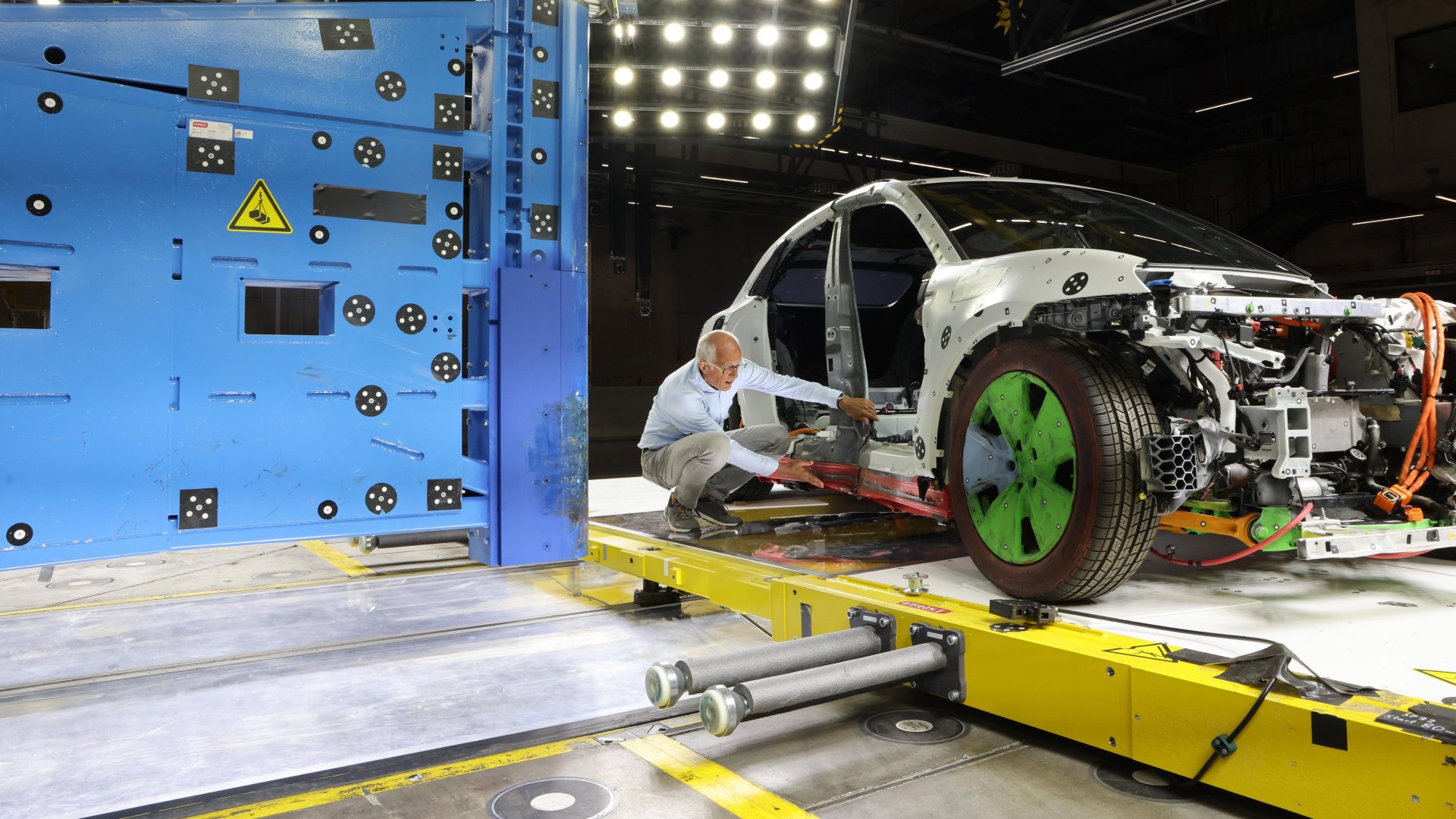
The battery housing itself is subjected to extreme conditions, including an immersion test one meter deep in water and corrosion tests using saltwater solutions. Crash tests performed on a Macan in Porsche’s Weissach facility demonstrated minimal deformation of the high-voltage battery following a severe side impact.