

Pakistan has unveiled its National Electric Vehicle (NEV) Policy 2025–30, pledging over 100 billion rupees (approximately 306 million euros) in subsidies to accelerate the adoption of electric mobility. The government aims to convert 30% of all new vehicle sales to electric models by the end of the decade.
“This policy is not merely a statement of intent — it is the blueprint for Pakistan’s clean energy revolution,” said Haroon Akhtar Khan, Special Assistant to the Prime Minister on Industries and Production, during a press briefing on the new initiative. In the upcoming financial year alone, the government will allocate nine billion rupees in subsidies to support the purchase of 116,053 electric motorcycles and 3,171 electric rickshaws. Specific quotas for electric cars are expected at a later stage.
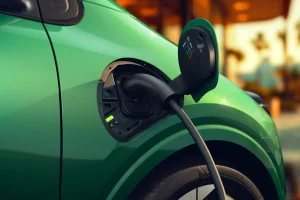
Under the scheme, buyers will receive subsidies of 65,000 rupees for two-wheelers, 400,000 rupees for three-wheelers, and 15,000 rupees per kilowatt-hour for four-wheelers. The government also announced plans to waive registration fees for eligible EVs. The policy includes infrastructure development measures such as 3,000 charging stations nationwide by 2030, with at least 40 new stations to be built every 105 kilometres along highways. Battery-swapping stations, vehicle-to-grid (V2G) technologies, and mandatory charging points in new buildings are also part of the roadmap.
Pakistan’s current electric vehicle fleet includes about 70,000 motorcycles, 5,200 cars, and 450 buses. The government expects to save over 2 billion litres of fuel and nearly $1 billion in foreign exchange annually through the transition.
According to Khan, the shift will also reduce carbon emissions by 4.5 million tonnes and cut healthcare-related expenses by $405 million per year. The policy further mandates 90% localisation for electric two- and three-wheelers within three years as part of an effort to boost domestic manufacturing.