


Netze BW has launched a pilot project focused on integrating electric truck fleets into the power grid, working with logistics companies Stickel and Logistik Schmitt in southern Germany.
The initiative, known as “FlexCharge BW – NETZlabor E-Lkw,” aims to examine how large electric truck fleets can be charged in a grid-supportive manner while minimizing strain on local electricity networks.
The project builds on Netze BW’s earlier real-world pilot programmes involving electric passenger vehicle charging, which tested whether large numbers of electric vehicles charging simultaneously could overload local grids.
According to the company, those earlier pilot projects showed that local distribution grids were more resilient than initially expected.
The new programme will involve one logistics depot operated by Stickel in Nagold and three sites managed by Logistik Schmitt in Bietigheim.
In total, the pilot includes around 20 fast-charging stations for commercial vehicles and approximately 40 electric trucks.
“At logistics depots and along motorways, very high energy volumes are required in a short time,” said Martin Konermann, technical managing director of Netze BW.
“While grid expansion is possible, it is time- and resource-intensive,” Konermann said, adding that grid-supportive charging could make better use of existing grid capacity before infrastructure upgrades are completed.
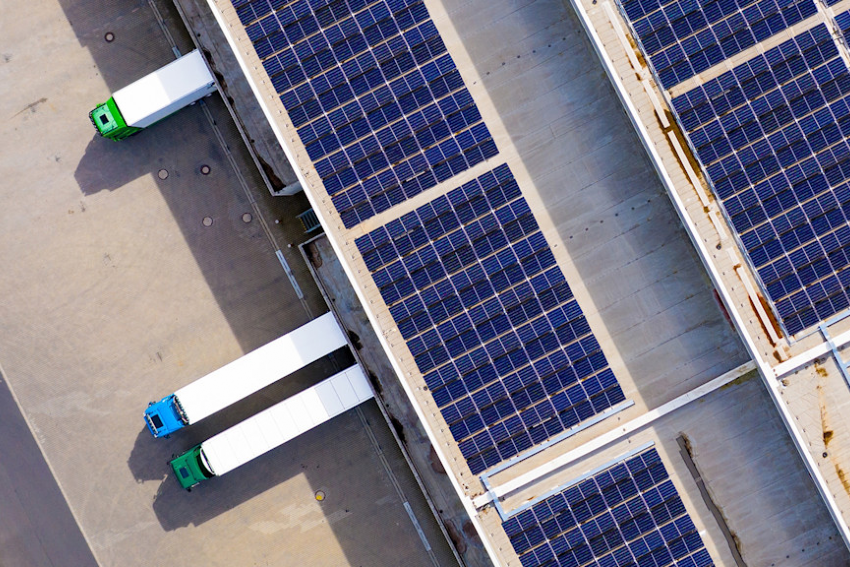
The company said the project will analyze how charging power and charging schedules can be adjusted based on local grid conditions and renewable energy availability, including photovoltaic generation.
Kathrin Walz, project leader at Netze BW, said the initiative would also evaluate approaches to accelerating grid connections for industrial and logistics customers.
“For industry and logistics, the electrification of trucks is challenging because the high connection capacities required can often only be provided after extensive grid expansion,” Walz said.
The logistics partners will use energy management systems to create dynamic charging schedules based on information provided by Netze BW about grid utilization.
Logistik Schmitt recently expanded its electric truck operations and now operates around 50 battery-electric trucks, according to the company.
Christian Stickel said Stickel recently added 10 electric trucks to its fleet, including models from MAN and Mercedes-Benz, with another vehicle expected later this year.
Stickel said the company also plans to install stationary battery storage to improve the use of its photovoltaic system and support the use of dynamic electricity pricing.
“We can only win. Everything we learn gives us a competitive edge,” Stickel said.
Rainer Schmitt said electrification could help logistics operators reduce operating costs and improve competitiveness.
“One of the key levers,” Schmitt said, is reaching agreements with grid operators that provide benefits for both logistics operators and electricity providers.
The pilot project is scheduled to run until December 2026 and will include simulations and data analysis intended to support deployment models for other logistics sites.