
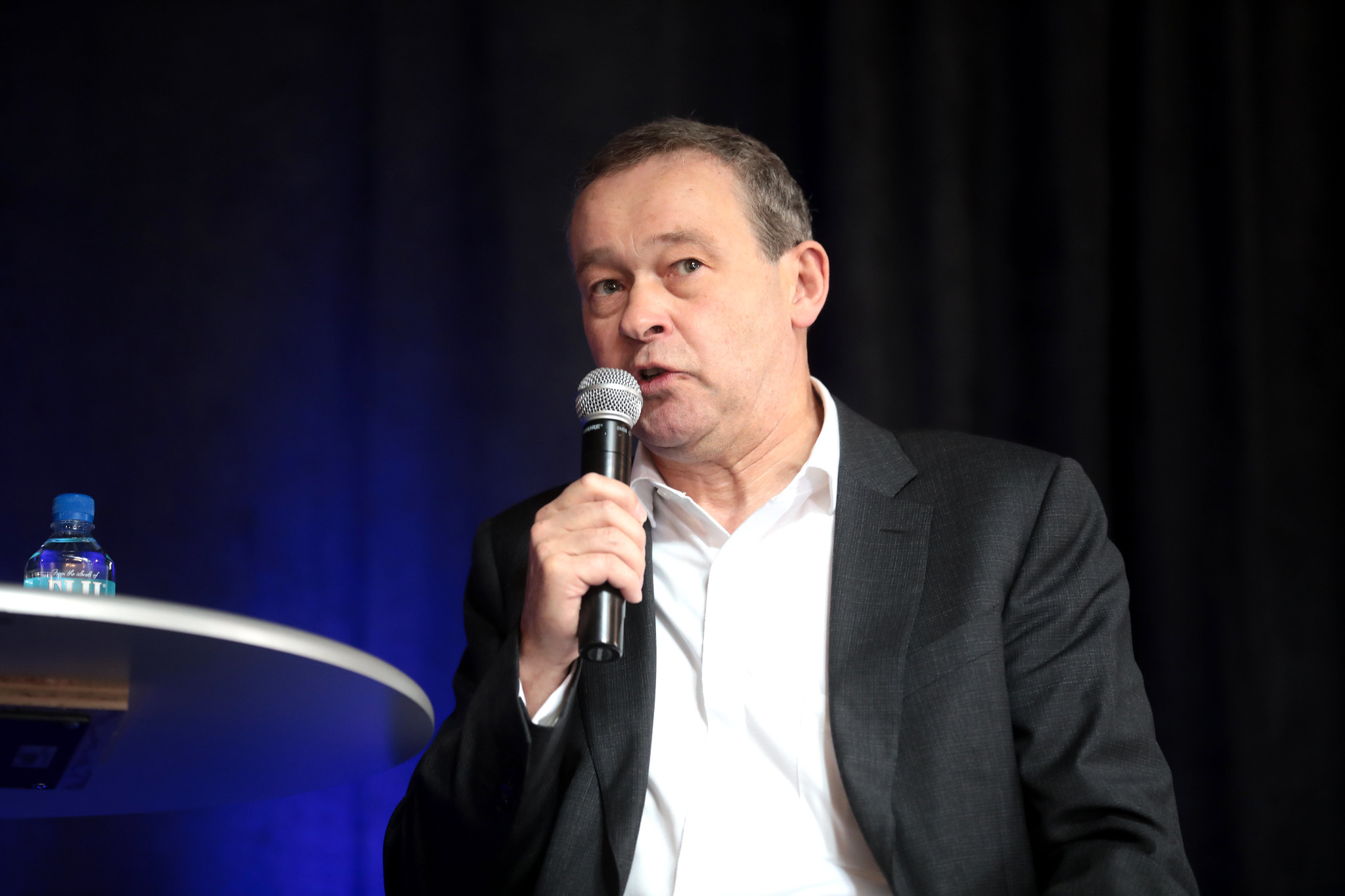
Peter Rawlinson, CEO and CTO of Lucid Motors, is setting the stage for the electric vehicle startup to expand beyond car manufacturing into a licensing model that could eventually make up the majority of the company’s revenue. In an interview with InsideEVs at the BloombergNEF Summit in San Francisco, Rawlinson shared his vision for Lucid to follow a path similar to Intel’s success in the computing industry—by supplying core EV technology to other car manufacturers.
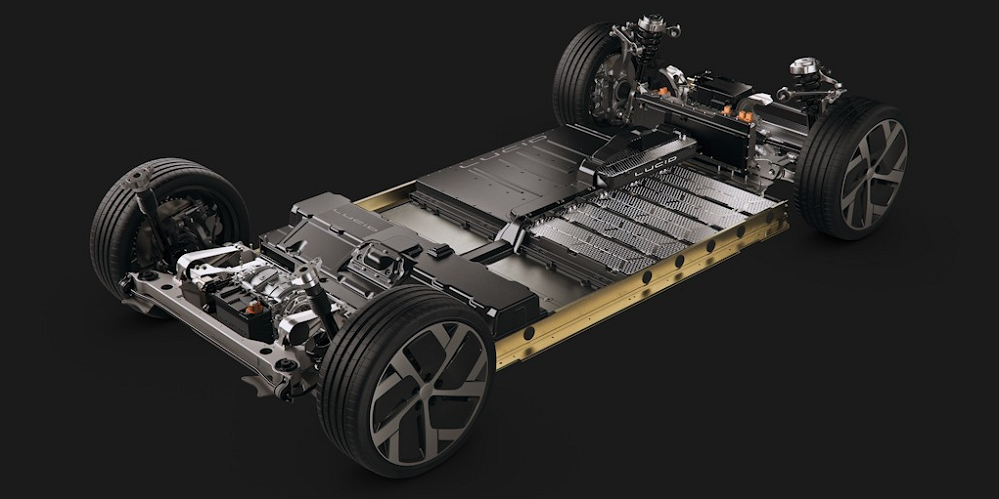
He explained, “I’d love it to be 20-80. Twenty percent doing cars, 80% licensing,” adding that the company’s real potential lies in licensing its EV powertrains to global automakers. He continued, “Because the vision I have for Lucid is: Just as there’s an Intel inside your laptop, there’s a Lucid inside a Honda or a Toyota.”

Rawlinson is clear that the goal is for Lucid’s future to be heavily focused on licensing, with an ambitious target of earning 80% of its revenue through such deals. However, he also emphasized that the timeline for achieving this shift is uncertain, as Lucid’s strategy currently revolves around producing cars as a marketing tool for its advanced technology. “People think, ‘Oh, why didn’t you just be a supplier, Peter?’ Because we need the cars as a shop window for our product,” Rawlinson said.
With a goal of producing 1 million cars annually by the early 2030s, Lucid aims to expand the market reach of its innovative powertrains, which feature cutting-edge battery technology and energy-efficient design. The company’s flagship model, the Lucid Air, boasts impressive range and performance figures, including a 520-mile range, and has set benchmarks in energy efficiency.
See also: Lucid Sets Its Sights on Expanding Technology Supply Business Following Aston Martin Deal
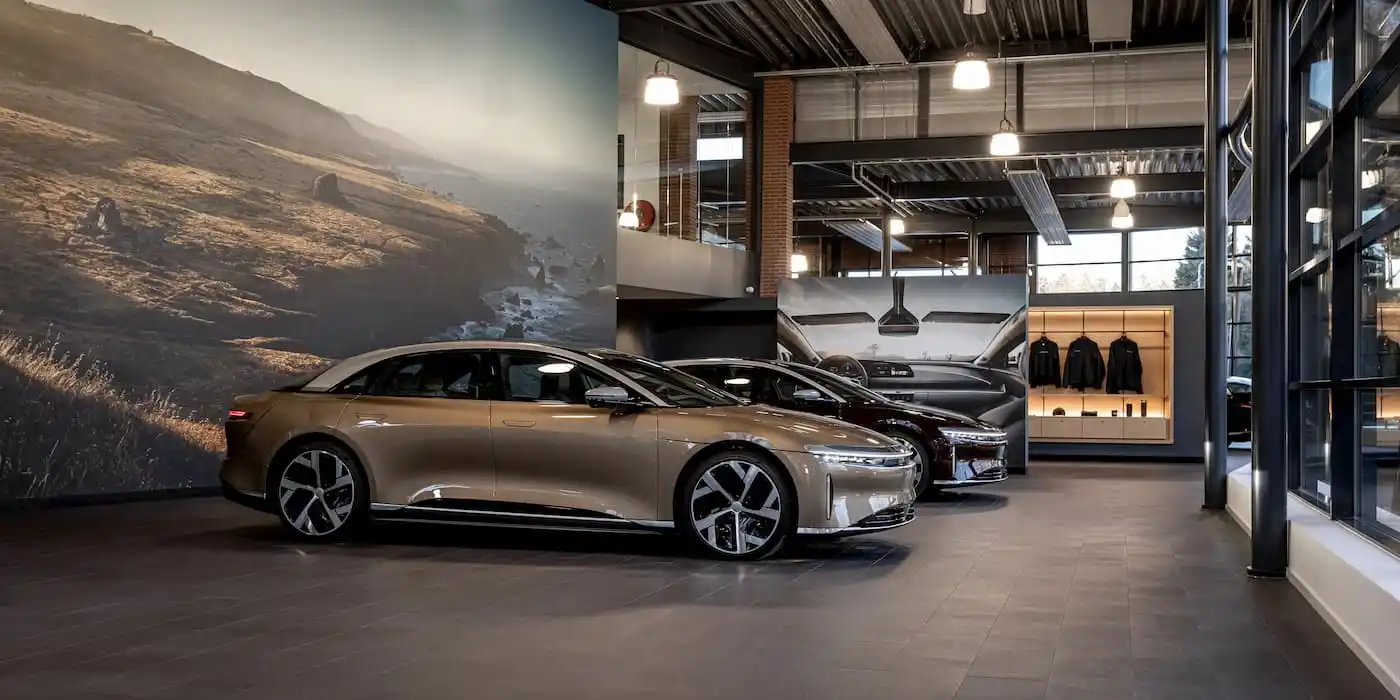
Lucid has already made strides in the licensing arena, securing a deal with Aston Martin for its motors, battery technology, and charging solutions. Rawlinson envisions that future licensing deals will involve carmakers manufacturing their own components under Lucid’s technology, with the company providing encrypted software updates.
As Rawlinson put it, “But if you’re going to do a big automaker, we’d license the tech. They’d manufacture the hardware under license in their factories… But that wouldn’t work until the encrypted flash of software comes from us.” He added, “You flash your Microsoft Office—ka-chunk—Bill Gates gets his royalty, doesn’t he? And I want to be like that.”
See also: Lucid Explores New EV Partnerships to Expand Technology Reach
Despite challenges in the market, including potential changes to EV policy under the Trump administration, Rawlinson is confident that Lucid’s technology will place it in a strong position as the demand for sustainable transportation grows, particularly if rivals slow down in their EV development.
“Isn’t it great they’re going to slow down,” Rawlinson remarked. “In a few years’ time, there’ll be this realization—’Oh my god, we’re going to have to go to a sustainable mode of transportation’—well, then we will be in a much better position to offer those companies that haven’t invested in the technology our technology through licensing.”