





German public transport technology provider INIT has acquired a 67.74% stake in Norwegian technology company Applied Autonomy, expanding its capabilities in the management and monitoring of autonomous vehicle fleets.
The acquisition was completed on October 1, 2026. Applied Autonomy, headquartered in Kongsberg, Norway, develops software for operating, monitoring and coordinating autonomous vehicles in public transport, airport operations and logistics. The company will become part of INIT’s Integrated Systems business unit.
The transaction gives INIT access to Applied Autonomy’s xFlow platform, which connects autonomous vehicles with transport operations and control systems. The software does not develop or control the underlying autonomous driving function itself; instead, it supports the operational management of vehicles equipped with such technology.
xFlow Connects Autonomous Vehicles to Fleet Operations
Applied Autonomy’s xFlow platform enables transport operators to integrate autonomous vehicles from different manufacturers into their operational workflows. Its functions include real-time vehicle monitoring, remote operational support and the provision of vehicle data to other systems.
INIT plans to combine xFlow with its MOBILE-ITCS control system, with the aim of supporting mixed fleets that include both autonomous and conventionally operated vehicles.
The distinction between driving automation and fleet management is central to the technology. Companies such as Mobileye and Wayve develop systems intended to enable vehicles to drive autonomously or provide driver assistance. Applied Autonomy instead focuses on the systems transport operators need to supervise deployments, coordinate vehicles and respond to operational issues.
Autonomous Bus Operations in Stavanger
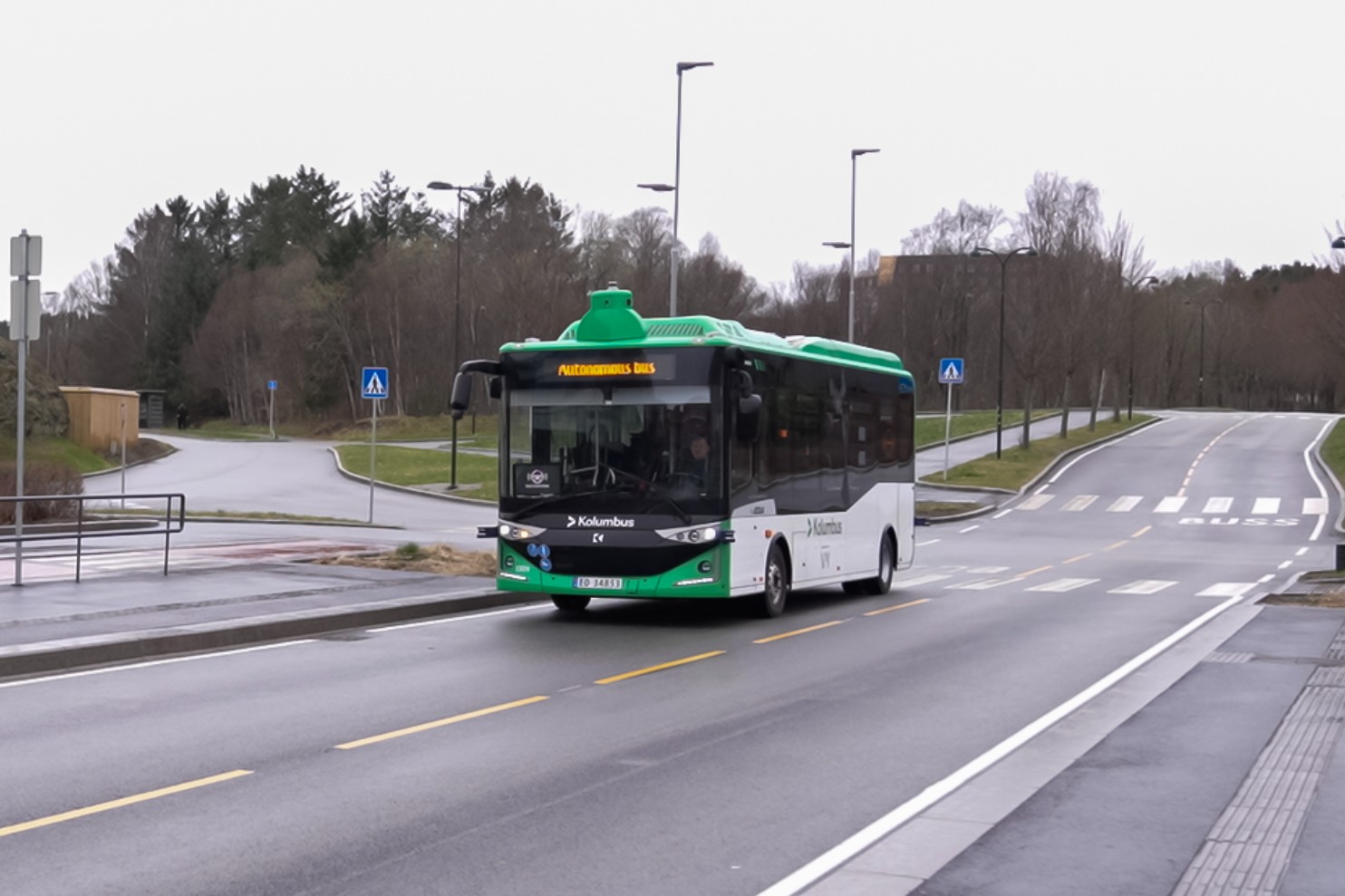
Applied Autonomy’s technology is already being used in an autonomous public transport project in Stavanger, Norway.
Since 2022, a battery-electric Karsan e-ATAK bus has been undergoing trials in the city. Since May 2026, the vehicle has operated in scheduled public transport services without a safety driver, according to the project description.
Adastec supplies the autonomous driving technology through its flowride.ai platform, while Applied Autonomy’s xFlow software supports control-centre monitoring and remote operational assistance.
The companies are also working together on an autonomous mobility project at Rotterdam Airport, where xFlow is used alongside technology from Karsan and Adastec.
These deployments illustrate how autonomous driving systems and fleet-management software can perform separate roles within a transport service: one enables the vehicle to navigate, while the other helps operators monitor and coordinate its operation.
INIT Expands Its Autonomous Mobility Activities
INIT has been involved in research into autonomous public transport for several years. The company leads the BRAVE10k project, which aims to establish the conditions for integrating more than 10,000 autonomous vehicles into Germany’s public transport system by 2030.
The project focuses on standardized interfaces, digital processes, procurement, regulatory approval and the economics of scaling autonomous transport services rather than developing an in-house autonomous driving function.
In September 2026, INIT also joined the MILA.mobility research project, coordinated by Leipziger Verkehrsbetriebe. Around 30 partners are working on an open, manufacturer-neutral platform intended to connect autonomous vehicles with control-centre, dispatch and booking systems.
INIT said the acquisition would position it to address operational requirements arising from the introduction of autonomous vehicles in public transport. The integration of Applied Autonomy’s software is intended to complement its existing control and fleet-management systems as operators evaluate and expand autonomous services.


