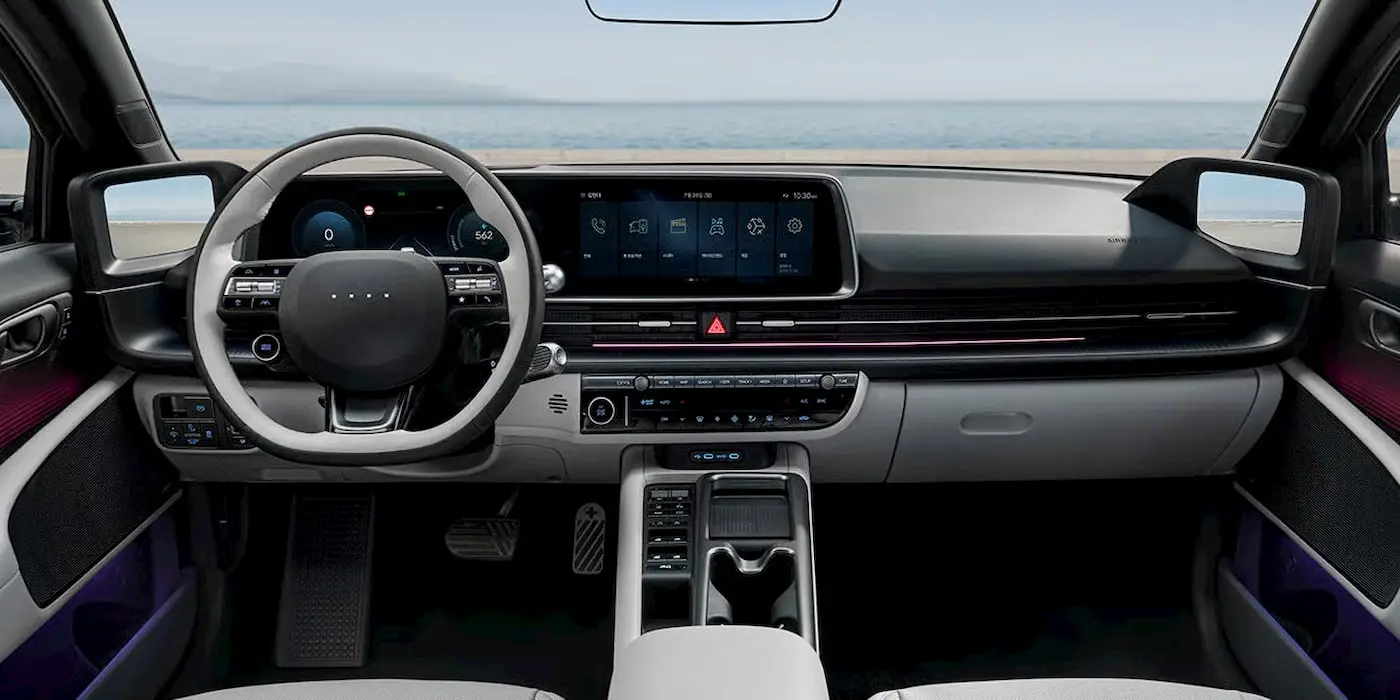
Hyundai Motor on Monday launched an updated version of its all-electric Ioniq 6 sedan in South Korea, boasting improved range, upgraded interior features, and new smart functionalities, making it the country’s longest-range domestic EV.
The refreshed Ioniq 6 is equipped with Hyundai’s fourth-generation battery technology, enabling up to 562 km (349 miles) of range on a single charge — surpassing the Kia EV6’s 549 km (341 miles). The updated model is offered with two battery options: a 63 kWh standard-range version rated at 437 km (272 miles), and an 84 kWh long-range variant achieving the maximum range figure. Despite the larger battery, Hyundai says the Ioniq 6 can still charge from 10% to 80% in just 18 minutes using a 350 kW DC fast charger.
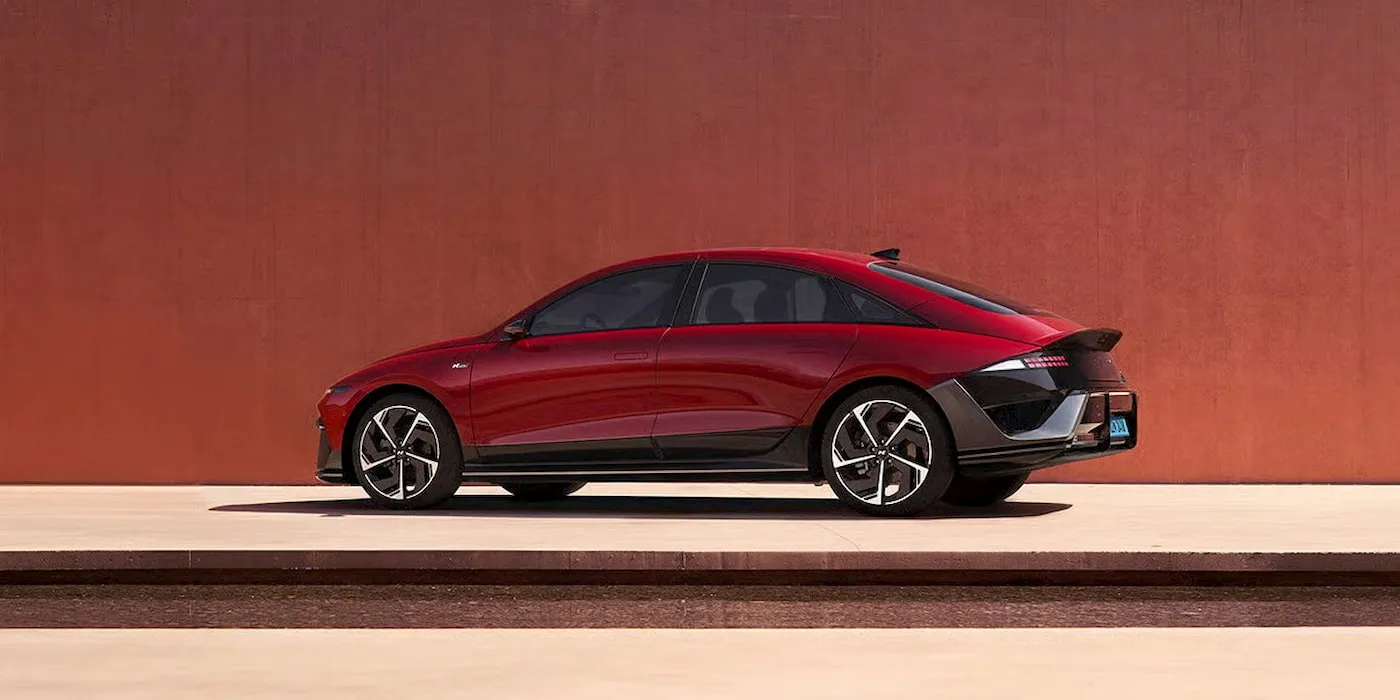
The electric sedan also features several aerodynamic and comfort enhancements. Hyundai fine-tuned the fastback design to lower the drag coefficient to 0.21, the most aerodynamic of any model in the Hyundai Motor Group, including Kia and Genesis. Inside, refinements to the “Mindful Cocoon” cabin include a redesigned center console and higher-end materials in key touchpoints such as the steering wheel and door trim.
The automaker also introduced new features such as Air Conditioning Occupancy Detection, which automatically adjusts climate settings based on passenger presence, and a Smooth Mode designed to minimize motion sickness by moderating acceleration and braking.
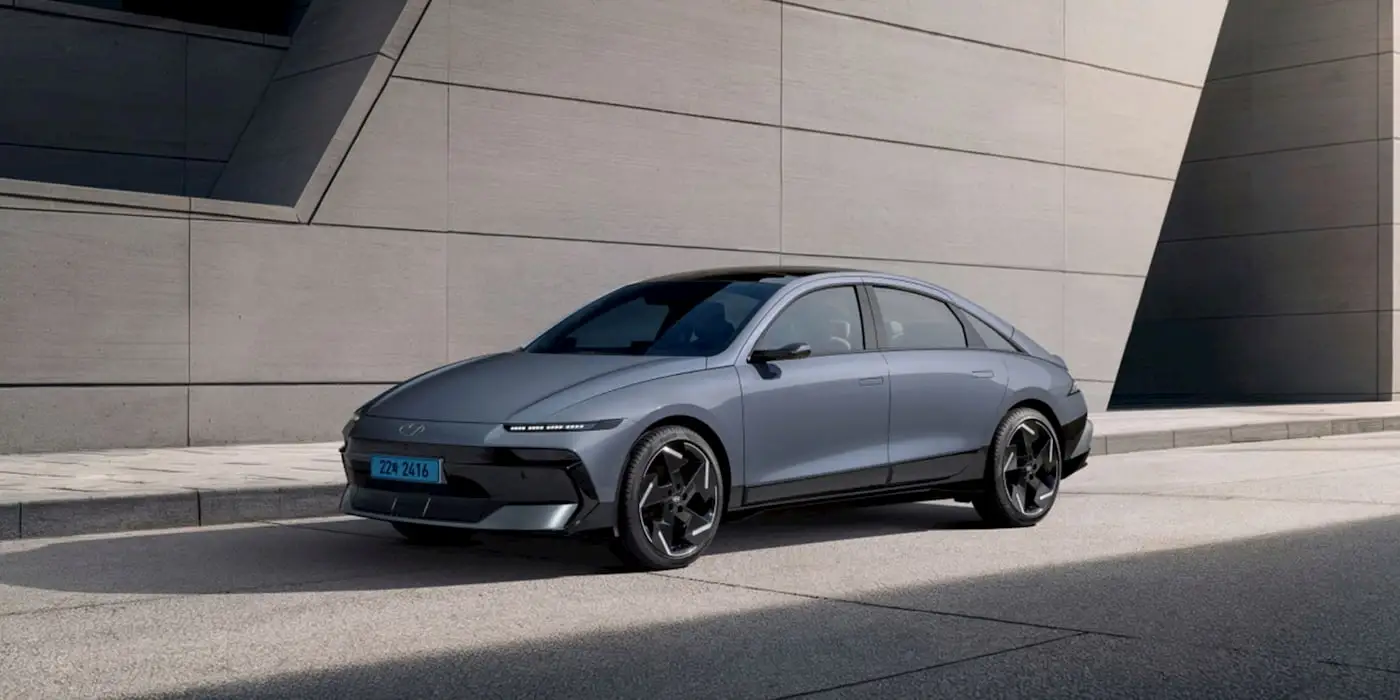
The new Ioniq 6 is priced from 48.56 million won ($35,000) for the E-Value+ trim. The long-range Exclusive version starts at 55.15 million won ($40,000), while the top-spec Prestige N Line model is priced at 61.32 million won ($45,000). Hyundai noted that government and local subsidies will bring down actual purchase prices for domestic buyers.
Hyundai is launching a domestic marketing campaign themed “the beginning of a new trend” to highlight the vehicle’s extended range and advanced features. A U.S. launch of the updated Ioniq 6 is expected in early 2026, likely featuring similar upgrades and integration of a built-in NACS port for Tesla Supercharger access.