
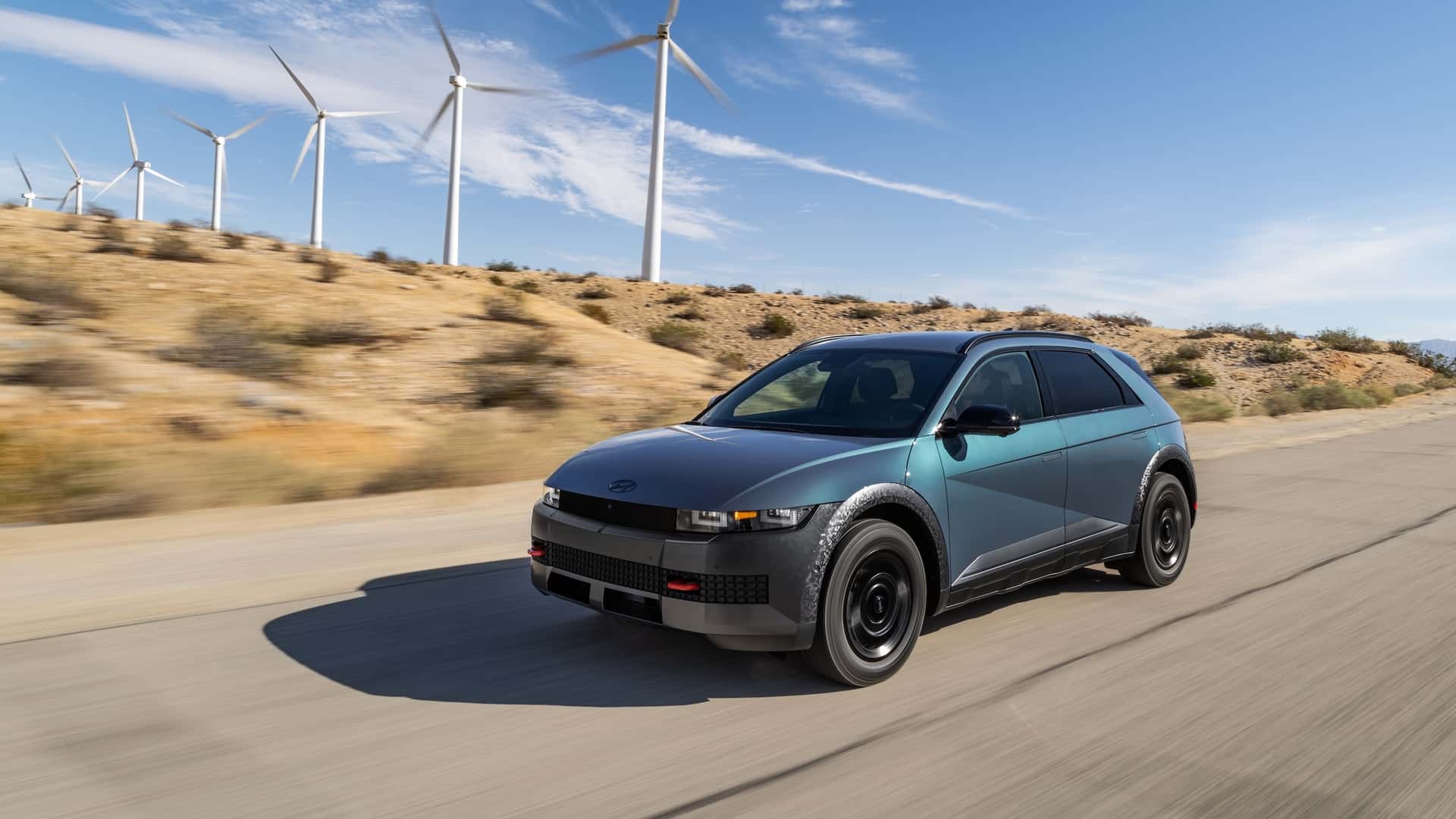
A Florida driver has been left with a repair bill nearing $12,000 after a spilled water bottle allegedly caused extensive electrical damage to his Hyundai Ioniq 5 electric vehicle, highlighting potential cost risks tied to modern EV electronics.
Mike McCormick said the incident occurred while he was driving on a freeway in Florida when traffic ahead forced him to brake suddenly. The stop sent a water bottle from a rear cupholder onto the floor, where water reportedly seeped into wiring harness connectors beneath the seats. Within minutes, warning lights appeared on the dashboard, the turn signals stopped working and, by the time he reached home, the vehicle would no longer shut down properly.
See also: Hyundai Faces Right-to-Repair Backlash Over Ioniq 5 N Brake Pad Replacement Restrictions
Following an inspection, a Hyundai dealership informed McCormick that both the underfloor and under-seat wiring harnesses needed to be replaced. The total estimated repair cost was $11,882.08. Hyundai declined to cover the damage under warranty, stating it was caused by an “external factor” rather than a manufacturing defect, leaving the owner responsible for the full cost.
McCormick also sought coverage through his insurer, State Farm, but the claim was denied. The insurer reportedly concluded that the wiring damage occurred gradually over time, rather than as the result of a single incident.
See also: Hyundai Ioniq 5 N Named 2024 EV of the Year by Car & Driver
Local broadcaster WFTV Channel 9 noted that the area beneath the Ioniq 5’s seats has been the focus of previous complaints. The report cited another owner who also faced a five-figure repair bill after wiring harnesses were found to be frayed. Separately, some Ioniq 5 owners have flagged high servicing costs tied to specialized software and tools, including for basic maintenance such as replacing brake pads on the high-performance Ioniq 5 N variant.
The case has drawn attention to potential vulnerabilities in EV electrical architectures and the difficulty some owners face when seeking warranty or insurance coverage for non-collision-related damage.