
Global sales of fuel cell electric vehicles (FCEVs) fell by more than 25% in the first half of 2025, dropping to 4,102 units from 5,635 over the same period last year, according to data from SNE Research.
The decline marks a reversal of the market’s long-term growth trend, which had seen a compound annual increase of 14.4% between 2018 and 2024. Sales peaked at 20,704 units in 2022, but volumes have fallen each year since.
Hyundai Motor Group remained the world’s leading FCEV manufacturer, selling 1,252 vehicles, primarily NEXO SUVs, during the first half of the year – down 31.9% from 2024. The second-generation NEXO, launched in April, has so far had limited impact on global figures due to its early-stage rollout and availability in select markets.
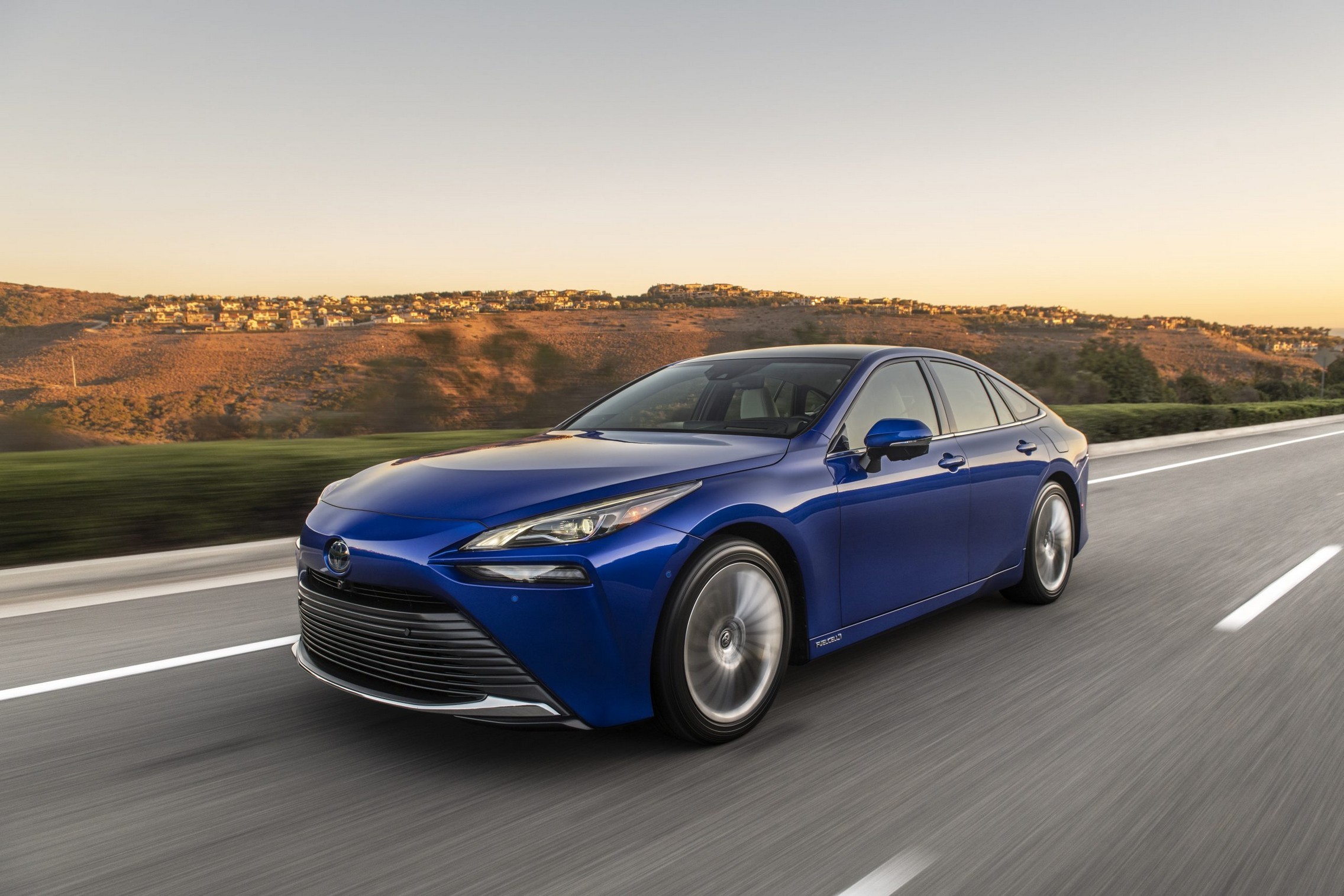
Toyota posted the steepest decline among major OEMs, with sales of the Mirai and Crown models dropping 46.1% to 698 units. In the United States, the decline has been exacerbated by refuelling infrastructure issues in California, where closures, outages, and equipment faults have limited access to hydrogen stations. Honda entered the U.S. market with its CR-V e:FCEV, a plug-in hydrogen SUV sold exclusively in California, delivering 112 units in the first half of the year.
China’s commercial vehicle sector remained the standout performer, selling 2,040 heavy-duty hydrogen trucks and buses – a smaller decline of 18.4% – capturing nearly half of global FCEV sales. The country now accounts for 49.7% of global FCEV units, followed by South Korea at 29.7%, while Europe’s total dropped 19.8% to 485 units. Japan’s volumes halved to 216 units, and the U.S. market fell 59% to 132 units.
The figures reflect differing market strategies. Chinese manufacturers are focusing on commercial freight and municipal fleets, Hyundai is balancing passenger and commercial vehicles, and Japanese brands are emphasizing technology exports and infrastructure partnerships. BMW continues limited fleet trials of its iX5 Hydrogen prototypes, while Stellantis has exited the hydrogen vehicle market.