




German energy storage startup Voltfang has raised €15 million in a Series B funding round, just eight months after closing its Series A, as it looks to accelerate the expansion of its production capacity and deploy an additional 250 megawatt-hours (MWh) of storage by 2026.
The Aachen-based company, founded in 2021 as a spin-off from RWTH Aachen University, said the new capital would help scale operations and support its long-term goal of reaching an annual production capacity of 1 gigawatt-hour (GWh) by 2030. The startup claims to have tripled output over the past year and is now intensifying efforts at its main facility in western Germany.
The round was once again led by Dutch deeptech investor FORWARD.One, with continued participation from Interzero, PT1, Helen Ventures, Daphni, and Aurum Impact. New investors include Fiege Ventures and Newberry Investments.
“Voltfang provides logistics companies with exactly what they need for the future: a technologically robust, environmentally sound, and economically scalable solution,” said Jens Fiege, CEO of the Fiege Group, which contributed through its venture arm. “With our investment, we’re not only providing capital—we’re also bringing our infrastructure and expertise to the table to help advance efficient energy storage in logistics.”
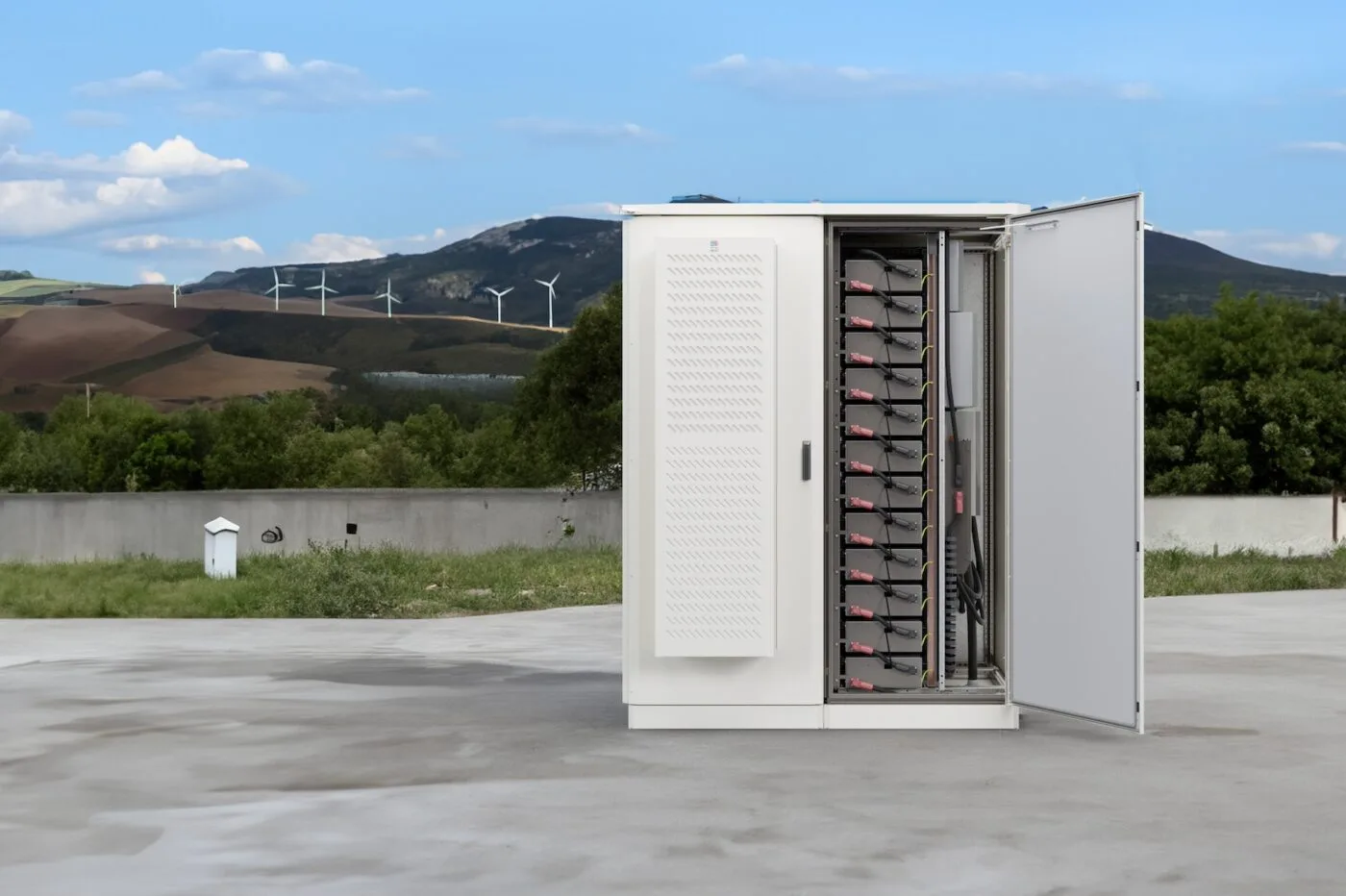
Voltfang specialises in stationary energy storage systems and has clients including Aldi Nord, McDonald’s, and Schaltbau. While the company gained early recognition for reusing electric vehicle batteries, it has since evolved its strategy to include “new life” battery modules—unused, automotive-grade units originally manufactured during the early EV ramp-up.
In its latest announcement, Voltfang emphasised its contribution to energy security using “high-performance, requalified battery modules sourced from the European automotive industry,” omitting previous references to “second-life” technology. The systems are designed to store electricity generated from renewable sources such as solar and wind, helping to stabilise the grid and support high-power EV charging infrastructure in areas with limited grid access.


