
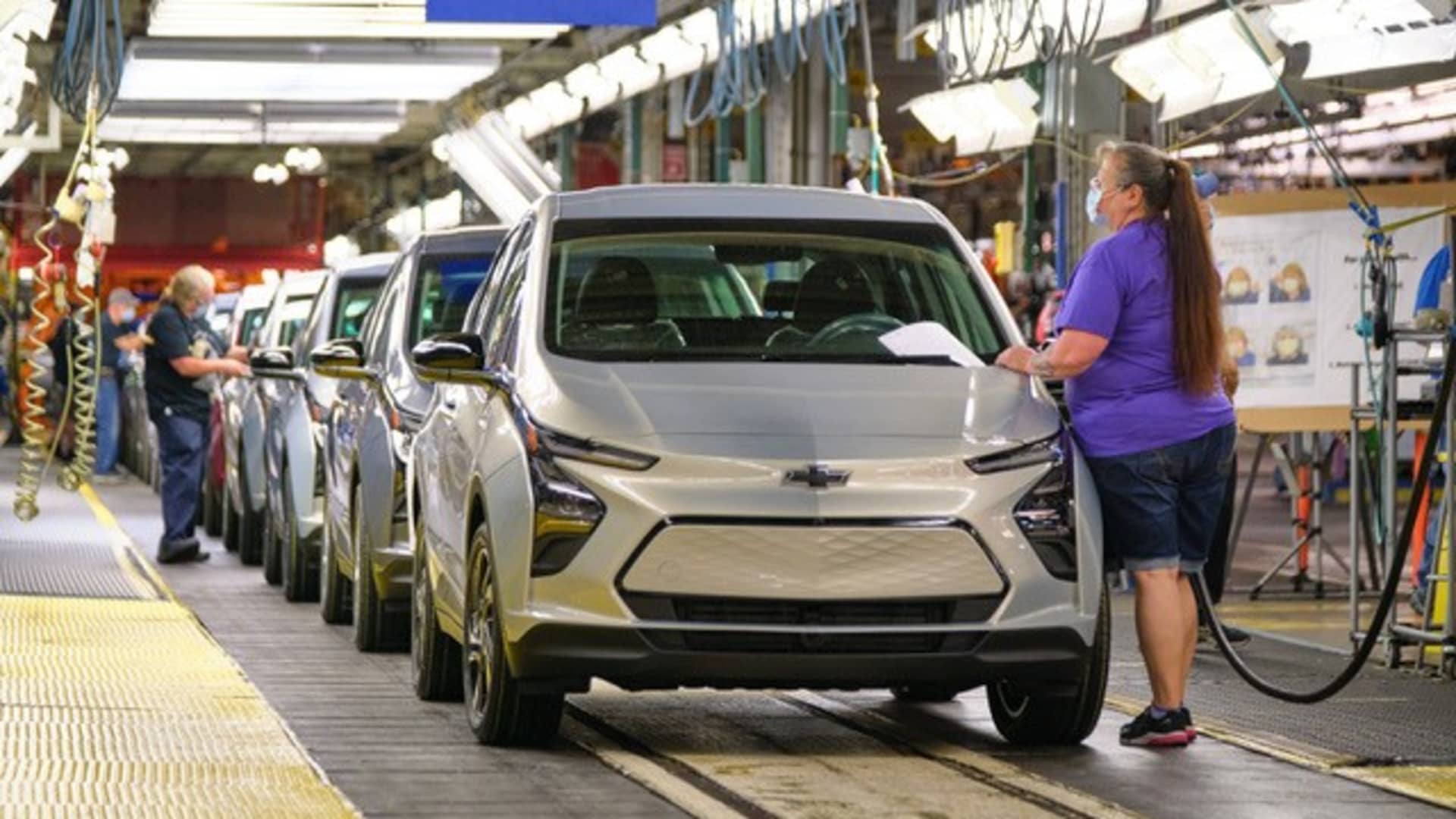
Global competition in the electric vehicle (EV) industry is accelerating as legacy automakers like General Motors (GM) face mounting pressure to match the swift product development cycles of Chinese rivals.
According to GM President Mark Reuss, the company is rethinking its approach to design and production speed in order to stay competitive in a market where traditional hierarchies no longer ensure success.
See also: General Motors Lifts Full-Year Outlook, Trims Tariff Impact After Solid Q3 Results
In an interview with InsideEVs, Reuss said that the rapid pace of innovation among Chinese automakers offers important lessons for global manufacturers. “I would say we can learn a lot from the speed,” he said. “I don’t think that copying each other and trying to price each other out of the market is necessarily a great thing.”
Chinese EV brands typically develop new models in about 22 to 28 months—significantly faster than the 32 to 48 months that Western automakers often require. Reuss noted that China’s manufacturers “benchmark the heck out of each other, and then they will copy it and put it into production, so it’s a very rapid cycle because of that.” He added that many of these companies rely on shared supplier networks to accelerate development but face financial challenges unless they also sell batteries. “Unless you’re selling batteries, it’s a pretty tough financial deal to make money over there,” Reuss told.
See also: General Motors to Take $1.6 Billion Charge as U.S. EV Demand Slows After Tax Credit Ends
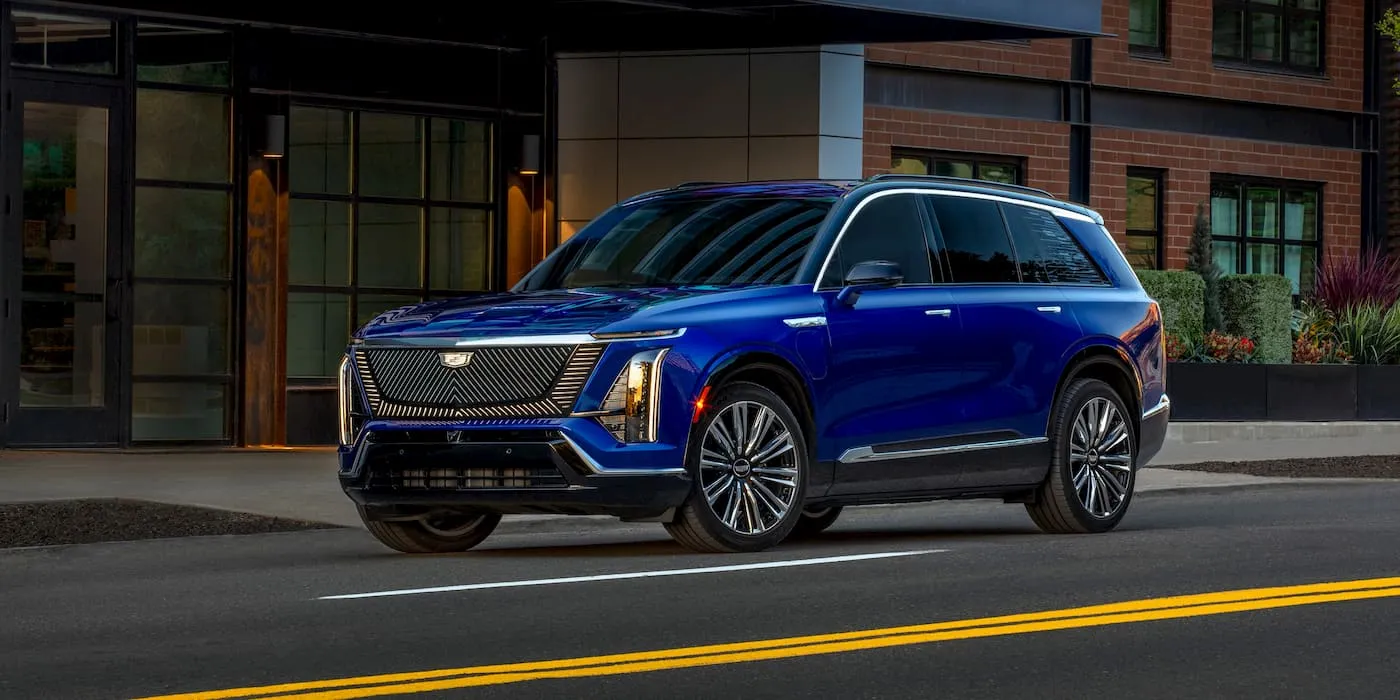
GM’s renewed focus on speed mirrors similar moves by other automakers. Audi recently said it was developing its next-generation TT at “China speed,” targeting a 30-month development cycle, while BMW has vowed to go even faster as it prepares to launch 40 new and updated models within two years under its Neue Klasse program. The push underscores a global shift toward rapid innovation, as automakers race to keep pace in an increasingly competitive EV landscape.