

General Motors (GM) has officially initiated the production of electric vehicles (EVs) at its facility in the Brazilian state of Ceará, a project undertaken in partnership with the Comexport Group. The former factory of Brazilian off-road vehicle manufacturer Troller has been repurposed and retrofitted for battery-electric vehicle assembly, now operating as the Ceará Automotive Plant (PACE).
The first model rolling off the production line is the Chevrolet Spark EUV, an electric sport utility vehicle (SUV) launched this year. The Spark EUV, which is based on the Baojun Yep Plus and developed by the SAIC-GM-Wuling joint venture in China, marks GM’s initial step in local EV assembly in the country.
See also: BYD’s Denza Launches Z9GT and D9 Models in Brazil at São Paulo Auto Show
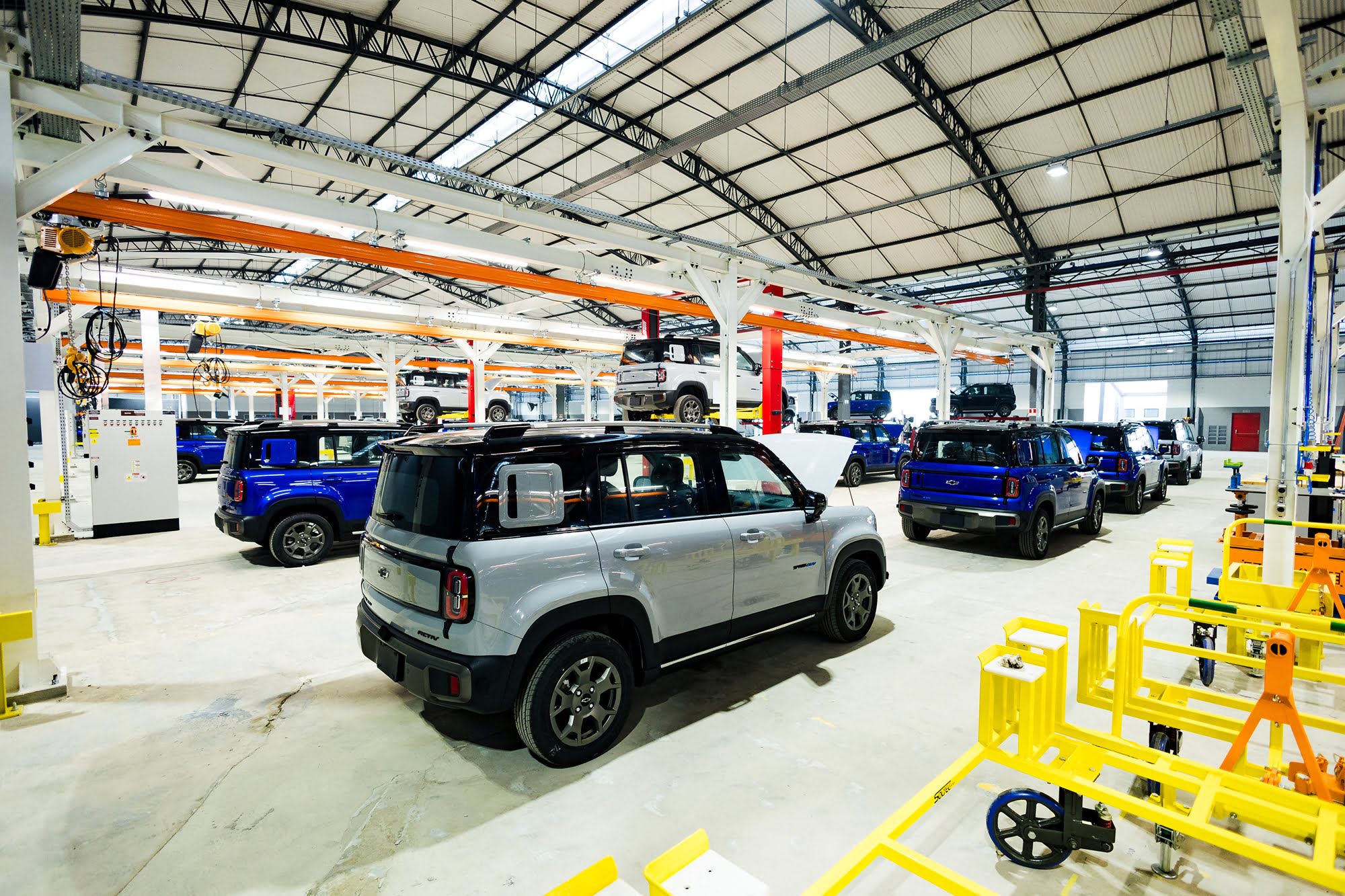
The inauguration of EV production at the PACE plant, operated jointly with Comexport’s Ceará Automotive Plant, was attended by Brazilian President Luiz Inácio Lula da Silva.
GM previously announced an investment of R$7 billion (approximately $1.4 billion) in its Brazilian operations, spanning from 2024 to 2028. A portion of this capital was allocated to the electrification and repurposing of the Ceará facility.
GM also confirmed plans to begin production of the new Chevrolet Captiva EV at the Brazilian plant in 2026. This mid-sized SUV is identical to the Wuling Starlight S, also originating from a Chinese joint venture, and is specified to offer a range of 304 km in the Inmetro Metro cycle. Both models assembled at the facility are slated for sale across South America, Mexico, and the Middle East.
See also: General Motors Launches 2026 Chevy Captiva EV in Brazil as Part of Regional Electrification Push
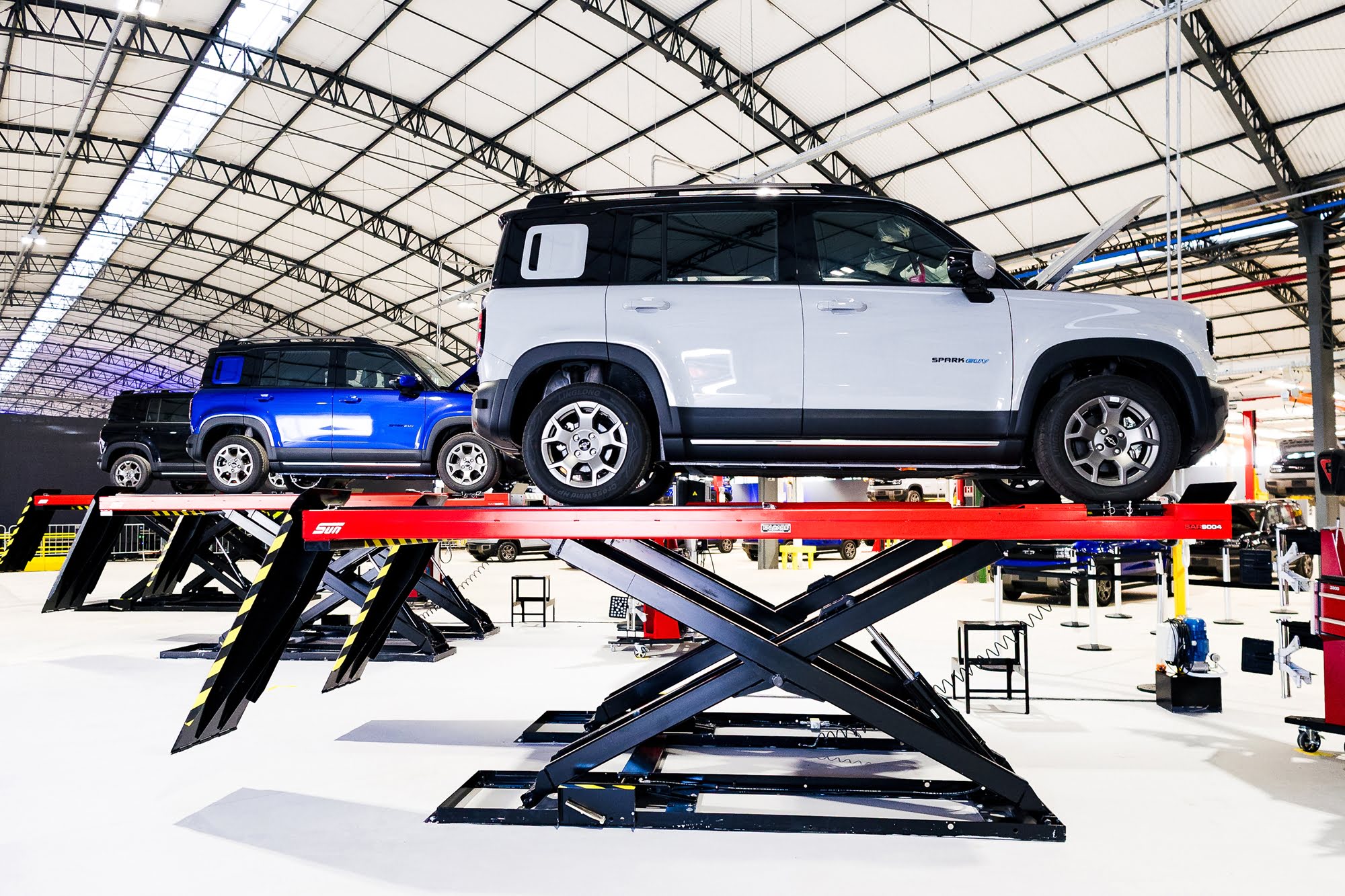
Santiago Chamorro, President of GM South America, commented on the strategic move: “Bringing the production of the Spark EUV and Captiva EV to Brazil is a step consistent with everything we advocate for the domestic industry: competitiveness, technology and long-term vision. The country has the capacity, scale and talent to advance in electrification, provided that the moves are responsible and aligned with the stage of the market.”
The shift to local EV assembly is viewed as a significant development in Brazil’s automotive sector, aligning with government pushes for greater domestic EV production.