
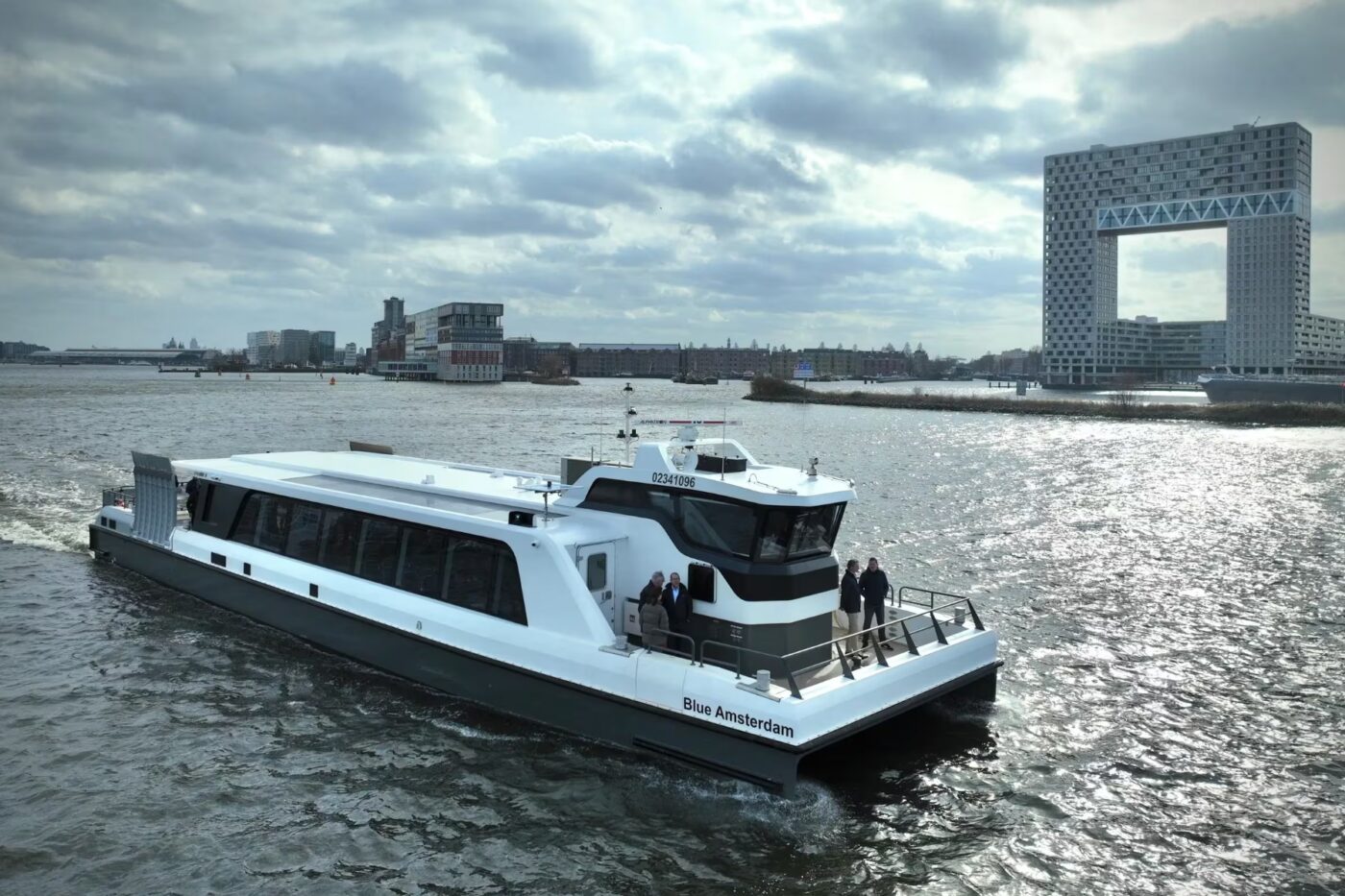
Damen Shipyards has completed the first fully electric unit of its Waterbus 2907 Electric ferry, marking a step forward in the electrification of urban waterborne public transport.
The Waterbus 2907 Electric is designed to carry up to 130 passengers while delivering zero emissions and minimal wake, making it suitable for operation in densely populated waterways.
The new model builds on the earlier hybrid version of the Waterbus 2907, which had been designed with future conversion to full battery-electric propulsion in mind. Damen said the latest iteration incorporates improvements based on operational experience, including enhanced wheelhouse ergonomics and a 1,000-volt DC electrical architecture.
Measuring 28.6 metres in length, the ferry is powered by two electric motors, each producing 375 kW. It is equipped with two battery packs of 213 kWh each, providing onboard energy storage for daily operations.
The vessel supports fast charging using connectors derived from the automotive sector, and is also prepared for the Megawatt Charging System (MCS), a high-power standard initially developed for electric trucks and buses. Damen said it plans to begin testing MCS charging later this year.
To address the high grid demand associated with charging electric vessels, Damen is participating in the Charging Energy Hub project alongside around 30 industry partners. The initiative aims to develop solutions such as stationary battery storage systems to buffer energy demand and reduce pressure on local electricity infrastructure.
Lodewijk van Os said the vessel was designed to balance durability and sustainability, given its intended use in high-frequency urban transport operations.
Jan van Ooijen said the project aims to move beyond experimental concepts toward a more mature and reliable solution for electric water transport.
The launch reflects growing interest in electrifying maritime transport, particularly in urban environments where emissions reduction and noise control are increasingly important.