


Connected Energy, a British specialist in stationary energy storage systems using second-life electric vehicle batteries, plans to invest £2 million in a new testing centre for used EV batteries in eastern England, the company said.
The facility will be built at Scottow Enterprise Park in Norfolk, close to Connected Energy’s existing technical centre, and is expected to become operational by mid-2026. The project is supported by the Advanced Propulsion Centre UK as part of a broader initiative to strengthen reuse and recycling pathways for electric vehicle batteries.
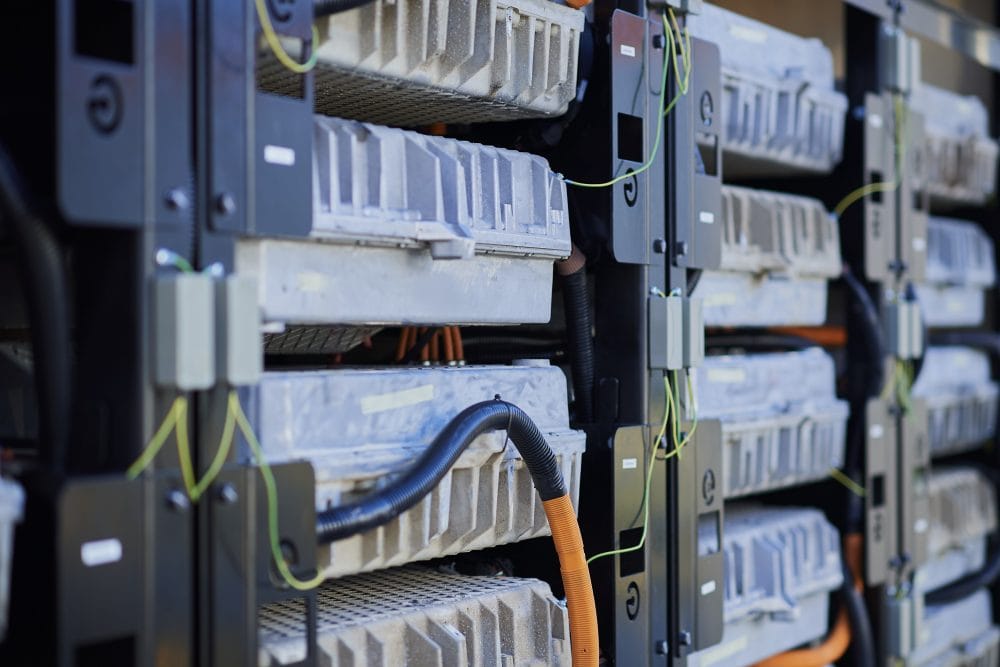
Connected Energy focuses on repurposing retired EV batteries for grid-connected battery energy storage systems, a segment often referred to as second-life applications. The company has been active in the sector for several years, including a collaboration with Renault in 2020 on a large-scale stationary storage project, and has counted Volvo Group among its investors since 2022. The new testing centre is expected to handle battery packs primarily from electric buses and trucks, including those produced by Volvo Group.
“This development marks the next step in Connected Energy’s growth,” said Matthew Lumsden, adding that the company is moving beyond pilot projects to owning and operating grid-scale storage assets. “Having successfully shown how second-life BESS can work on a commercial scale, we are now moving to owning and operating grid-scale storage sites, with our first site also functioning as an advanced test facility,” he said.
Alongside the testing operations, the site will host Connected Energy’s first 5 megawatt-hour battery storage system, which will be used for energy trading and grid services. Lumsden said data from the project would help demonstrate the economic value of repurposing used EV batteries and inform larger future deployments. While the market for second-life battery systems is still at an early stage due to limited availability of end-of-life EVs, the company expects supply to increase as electric vehicles mature and additional sources of retired batteries become available.