

South Korea’s electric vehicle market returned to growth last year, driven by government subsidies and strong demand for a handful of popular models, with the China-made Tesla Model Y emerging as the single best-selling vehicle, industry data showed.
According to the “2025 Domestic Electric Vehicle Market Final Report” released on Jan. 20 by the Korea Automobile Manufacturers Association (KAMA), new electric vehicle registrations in South Korea rose 50.1% from a year earlier to 220,177 units. The rebound followed two consecutive years of decline and pushed the EV penetration rate to a record 13.1%, the association said.
KAMA attributed the recovery to early execution of government subsidies, aggressive sales promotions and the launch of new models. By manufacturer, Kia ranked first with 60,609 units sold, followed closely by Tesla with 59,893 units, while Hyundai Motor placed third with 55,461 units.
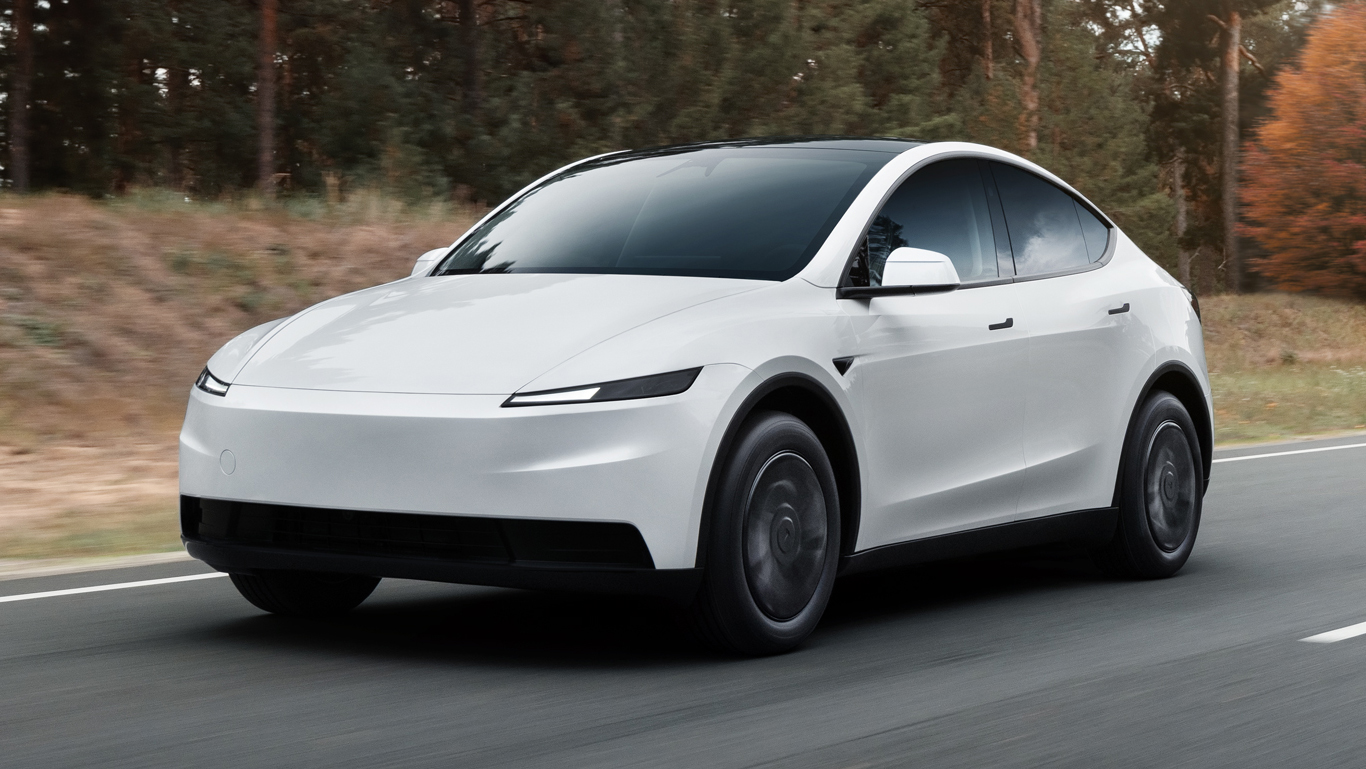
On a model basis, the China-built Model Y led the market with 50,397 units sold, up 169.2% from the previous year, benefiting from strong consumer interest in the facelifted “Juniper” version at a comparatively lower price. Kia’s EV3 and Hyundai Motor’s Ioniq 5 followed, though with significantly smaller volumes.
The rise of imported vehicles weighed on domestic market share. Locally produced electric vehicles accounted for 57.2% of sales last year, down 6.8 percentage points from a year earlier, while imported models increased their share to 42.8%. KAMA said this trend was fueled by the expansion of China-made vehicles, including Tesla models and brands such as BYD and Polestar, with China-produced EV sales more than doubling to 74,728 units.
KAMA cautioned that the rebound did not yet signal a structural shift toward mass EV adoption. “To defend our automotive industry ecosystem against the relentless offensive of China-made electric vehicles not only domestically but also in the global market, effective support measures such as tax systems promoting domestic production must be prepared,” KAMA Chairman Kang Nam-hoon said.
The association also flagged growing controversy over subsidies, noting that Chinese-made electric vehicles sold in South Korea were eligible for national and local government support despite not qualifying for similar incentives in China. KAMA estimated that around 160 billion won ($120 million) in subsidies was allocated to China-made EVs last year, even as the United States, the European Union and Canada have imposed tariffs to counter what they describe as unfair practices.