
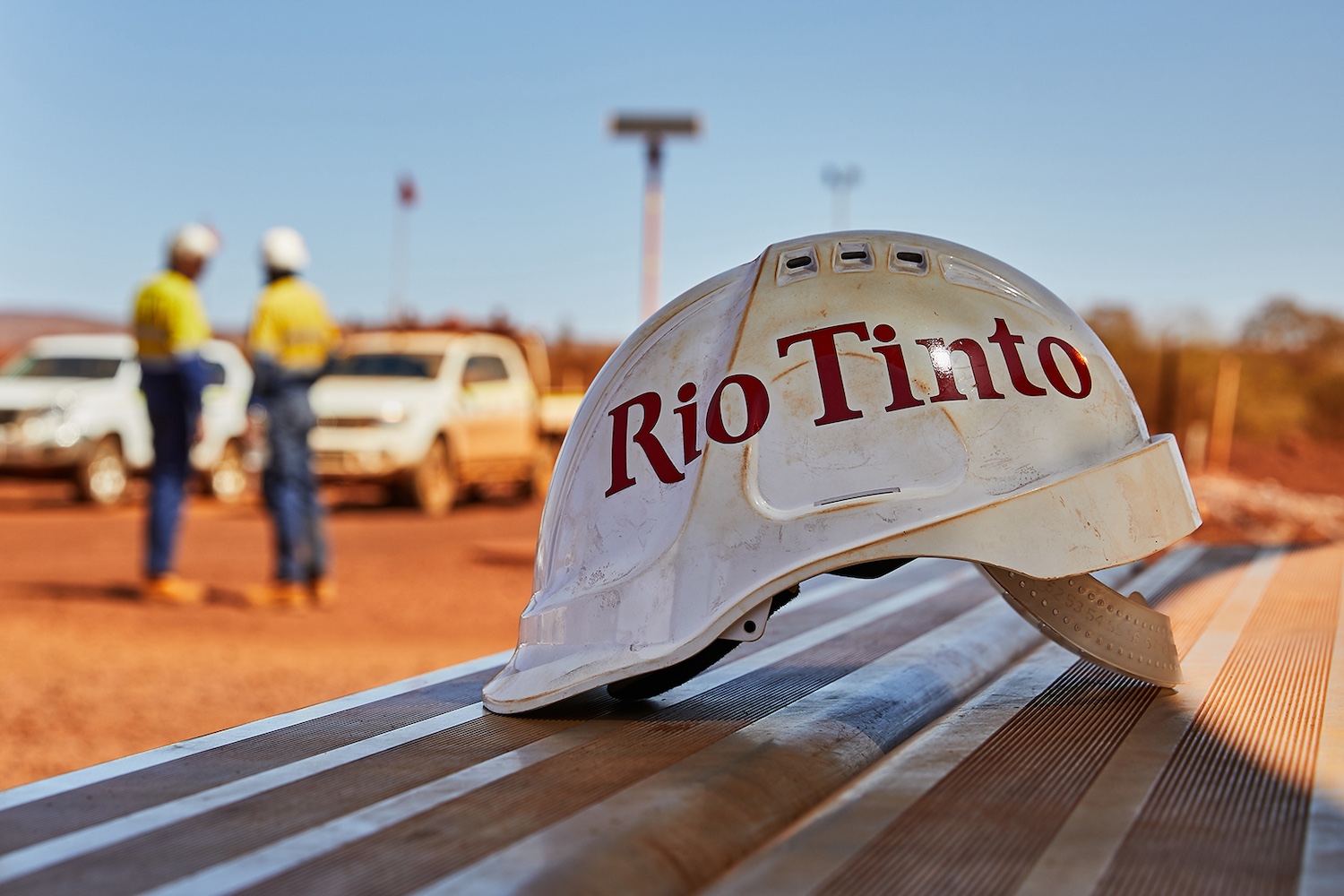
Chile’s state-owned mining company Codelco announced on Monday a partnership with global miner Rio Tinto to develop the Maricunga lithium project, marking the Anglo-Australian firm’s first foray into Chile’s lithium-rich salt flats. The move bolsters Chile’s ambition to reclaim its former dominance in the lithium industry, amid rising global demand for the metal used in electric vehicle batteries.
Under the terms of the deal, Rio Tinto will invest up to $900 million to extract lithium from the untapped Maricunga brine deposit in northern Chile, acquiring a 49.99% stake in the venture. Codelco will retain a 50.01% controlling share. The project is seen as a strategic step for Chile, the world’s second-largest lithium producer, to diversify its production and attract foreign capital.
“This joint venture accelerates the country’s strategic objective to reclaim leadership as the world’s top lithium producer, while allowing Codelco to diversify its portfolio,” said Cesar Perez, an analyst at BTG Pactual.
Rio Tinto CEO Jakob Stausholm said the deal reflects a “significant investment” and opens up opportunities to coordinate infrastructure and reduce water usage, especially alongside its copper exploration project, Nuevo Cobre, already under development in the region.
The agreement outlines a phased investment by Rio Tinto, including an initial $350 million at closing, expected in early 2025, followed by $500 million upon a final investment decision and an additional $50 million if commercial output begins before 2030.
For Rio Tinto, the partnership complements its earlier moves in South America, including its $825 million acquisition of the Rincon project in Argentina and last year’s $6.7 billion purchase of Arcadium. “Through this partnership, Rio Tinto secures a competitive long-term position,” said Daniel Jimenez, a lithium consultant with iLiMarkets.
The Maricunga project ranks just behind the Atacama salt flat in terms of lithium brine concentration. Codelco is also in the process of taking a stake in SQM’s Atacama operations. Both companies are exploring the use of direct lithium extraction (DLE) technology, which promises faster and more sustainable production methods than traditional evaporation ponds, though its scalability remains a challenge.