



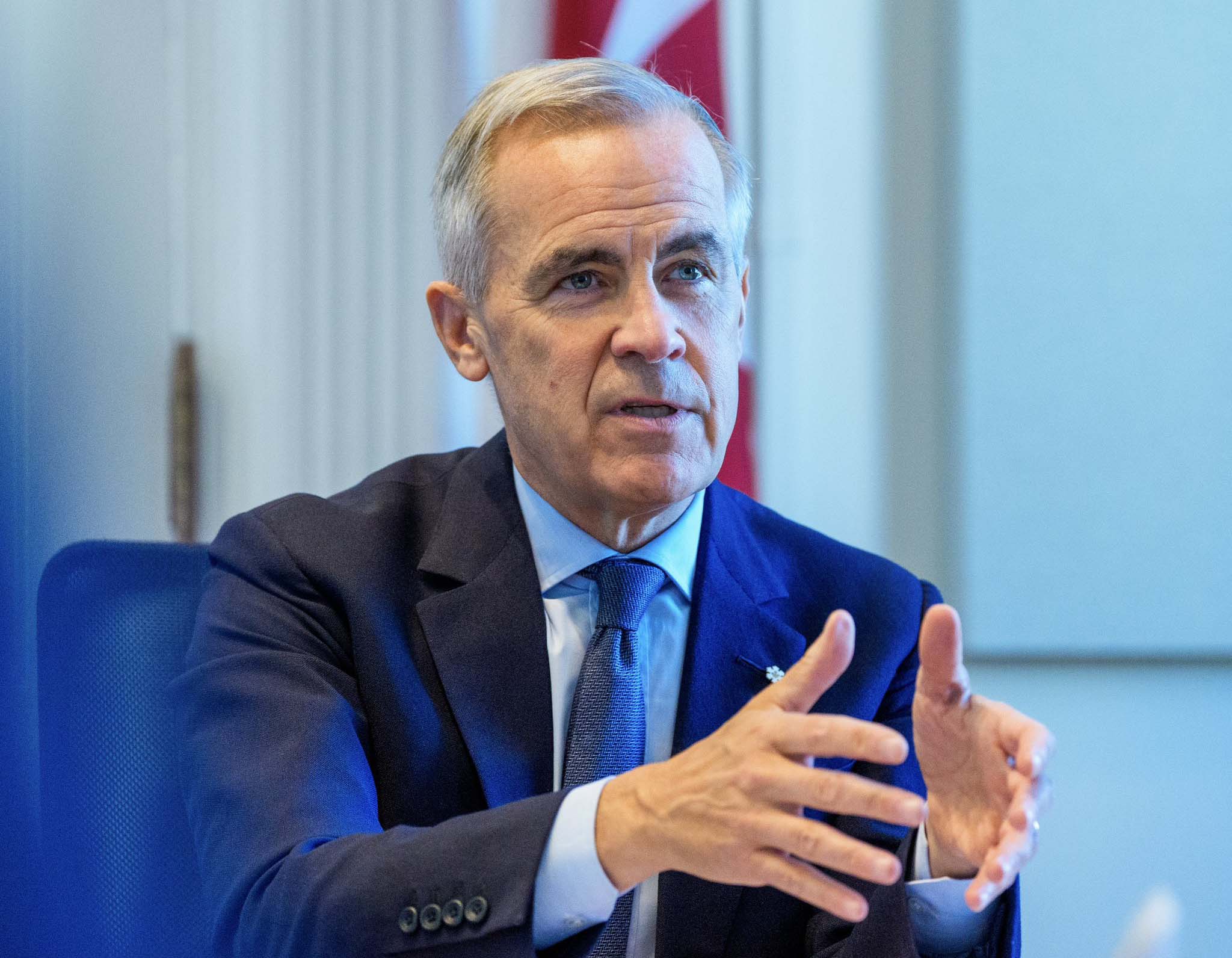
Canada will abolish mandatory electric vehicle sales quotas and replace them with stricter emissions standards and renewed purchase incentives, Prime Minister Mark Carney said, marking a major shift in the country’s automotive and climate policy as Ottawa seeks to stabilise the industry amid trade pressures from the United States.
Under the new national automotive strategy, the government will drop requirements introduced in 2023 that would have forced manufacturers and importers to ensure electric vehicles accounted for 60% of new car sales by 2030 and 100% by 2035. The targets, set under former prime minister Justin Trudeau, included battery-electric vehicles as well as plug-in hybrids that met minimum electric-range thresholds.
See also: Canada, South Korea Explore Deeper Auto Cooperation After Tariff Moves
Instead, Carney said Canada will impose tougher greenhouse gas emissions standards for new vehicle models from 2027 to 2032, allowing automakers to decide how to meet the targets using their preferred mix of powertrains. While the new framework no longer mandates electric vehicle production, Carney said the emissions limits would still effectively require significant uptake of zero-emission vehicles.
As part of the strategy, Ottawa will also introduce a tradable emissions credit system aimed at attracting foreign automakers and supporting domestic production. Carney said the policy framework is expected to result in electric vehicles accounting for about 75% of new car sales by 2035 and potentially 90% by 2040, though these figures are targets rather than binding quotas.
See also: Ontario Premier Calls For Boycott Of Chinese EVs After Canada Slashes Import Tariffs
To stimulate demand, the government will launch a five-year purchase incentive programme worth C$2.3 billion, offering up to C$5,000 for the purchase or lease of battery-electric vehicles and up to C$2,500 for plug-in hybrids. Imported vehicles must cost less than C$50,000 and originate from countries with which Canada has free trade agreements, effectively excluding vehicles made in China. Domestically produced electric vehicles will not be subject to the price cap. The incentives will be phased down over time and are expected to end after 2030.
Canada previously offered similar incentives, but the programme expired about a year ago after funding was exhausted amid strong demand, triggering a surge in last-minute EV purchases.
See also: Canada to Allow Limited Imports of Chinese EVs at Reduced Tariffs Under Deal With Beijing
Beyond consumer incentives, Carney announced C$1.5 billion in funding to expand Canada’s charging infrastructure, with an emphasis on new public-private partnerships, as well as a forthcoming electricity strategy aimed at doubling grid capacity and improving reliability and affordability.
The strategy also includes measures to protect Canada’s automotive sector from potential U.S. trade actions. Carney said Ottawa would consider expanding tariff exemptions and introducing tradeable credits to reward automakers that continue to produce and invest in Canada, particularly if the United States maintains or reintroduces auto tariffs during the review of the CUSMA trade agreement.
Additional support will come from C$3 billion from the Strategic Response Fund and up to C$100 million from the Regional Tariff Response Initiative, aimed at helping automakers diversify into non-U.S. markets and sustain growth.
See also: Canada–China EV Tariff Deal Seen Benefiting Tesla, Volvo and BYD
The policy shift comes amid slowing electric vehicle adoption. According to Statistics Canada data cited by CBC, monthly EV sales declined in early 2025, coinciding with the suspension of federal purchase incentives. Analysts have also pointed to broader economic uncertainty and softer demand for some EV brands as contributing factors.
Carney’s decision has drawn mixed reactions. Doug Ford, premier of Ontario, which hosts the bulk of Canada’s automotive industry, welcomed the removal of EV sales quotas, saying they would have made the sector less competitive. Opposition parties, however, have criticised the move as a rollback of climate ambition.


