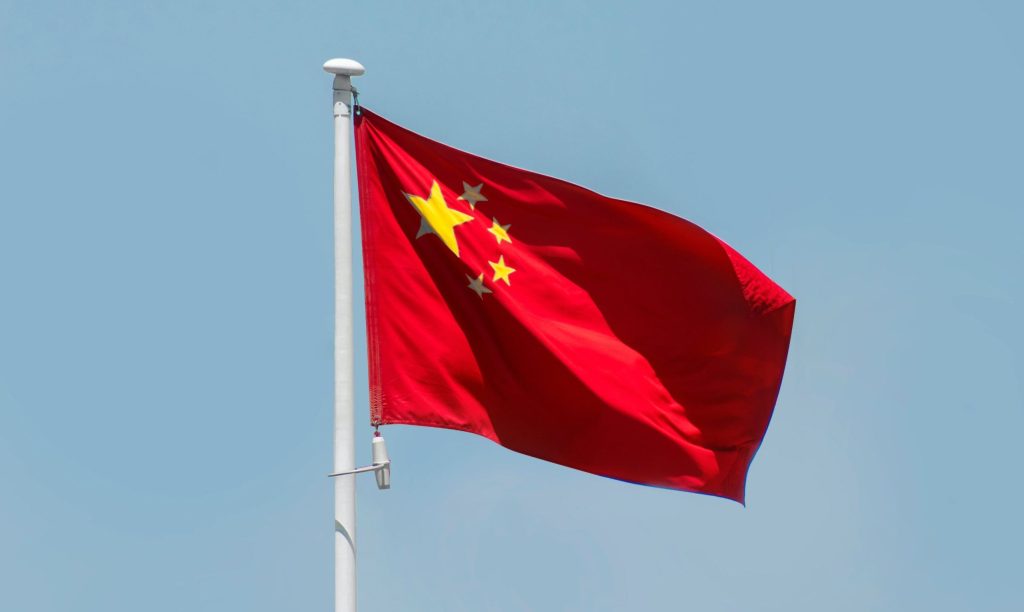





Canadian Prime Minister Mark Carney said Canada has reached an agreement with China that will allow a limited number of Chinese-made electric vehicles to enter the Canadian market at sharply reduced tariff rates, partially reversing restrictions imposed last year amid escalating trade tensions.
Under the agreement, Canada will permit the import of up to 49,000 Chinese electric vehicles at a tariff rate of 6.1%, compared with the 100% additional duty introduced in 2024. The quota matches the volume of Chinese EVs imported into Canada before the trade dispute and represents less than 3% of the country’s annual new vehicle market, according to government figures.
See also: Mercedes-Benz Opens First DC Fast-Charging Sites in Canada, Expands Network in British Columbia
Once the quota is exceeded, the 100% tariff will be reinstated for any additional Chinese EV imports, Canadian officials said. The policy is expected to focus on lower-cost models, with the government stating that more than half of the vehicles imported under the scheme could, within five years, be affordable EVs priced below C$35,000 ($25,000).
The agreement was announced following talks between Carney and Chinese President Xi Jinping and is part of a broader effort by Ottawa to rebalance its trade relationship with Beijing while encouraging investment into Canada’s electric vehicle supply chain.
See also: Kia Launches EV4 in Canada as Country’s Lowest-Priced Electric Vehicle
Canada imposed the steep tariffs on Chinese EVs in 2024, aligning with similar measures in the United States, a move that effectively halted sales of Chinese-made electric vehicles in the Canadian market. The new arrangement marks a partial rollback, while maintaining safeguards to limit overall volumes.
Canadian officials said the deal is expected to encourage Chinese joint-venture investments in Canada, particularly in areas linked to vehicle assembly, battery production and raw material processing. Ottawa has been seeking to anchor more of the EV value chain domestically, leveraging Canada’s access to critical minerals and low-carbon electricity.
See also: Canada Commits Over C$10 Million to Expand EV Charging and Motor Technology Research
“In a more divided and uncertain world, Canada is building a stronger, more independent, and more resilient economy,” the prime minister’s office said in a statement during Carney’s visit to Beijing, adding that China remains a significant trade and investment partner as the world’s second-largest economy.
In exchange, China has agreed to ease trade barriers on a range of Canadian exports, particularly agricultural products. From March 1, tariffs on Canadian rapeseed are expected to fall to about 15% from the current 85%, while rapeseed meal, lobster, crab and peas will be exempt from certain trade measures until at least the end of the year.
See also: Canada Reportedly Considering Removing 100% Tariff on Chinese Electric Vehicles
“At its best, the Canada-China relationship has created massive opportunities for both our peoples,” Carney said. “By leveraging our strengths and focusing on trade, energy and agri-food, we are forging a new strategic partnership that reflects the world as it is today.”
The agreement comes as Canada continues to attract investment in battery manufacturing and EV production from global automakers and suppliers, including projects backed by European and Asian firms. Officials said the limited reopening to Chinese EV imports is intended to complement, rather than undermine, those longer-term industrial objectives.