
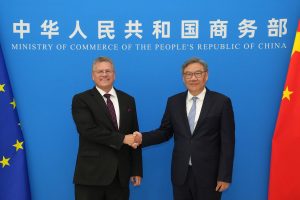
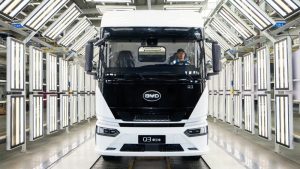
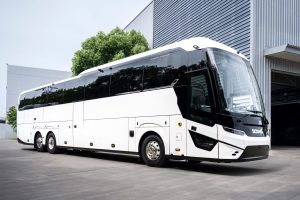



Ontario Premier Doug Ford has urged Canadians to boycott Chinese electric vehicles after Canada and China finalized a trade agreement that sharply reduces tariffs on Chinese-made EVs, warning the move could undermine the country’s automotive manufacturing base and cost local jobs.
Under the new agreement, tariffs on Chinese electric vehicles imported into Canada will fall from 100% to 6.1%, with an annual quota allowing up to 49,000 vehicles to enter the country at the lower rate. The deal was announced by Prime Minister Mark Carney, who said several Chinese automakers had expressed interest in building affordable electric vehicles in Canada.
See also: Hybrids Overtake EVs in Canada as Consumer Demand Shifts in 2025
Ford, however, said the agreement was pushed through without sufficient consultation and risks harming workers in Canada’s auto sector. “Maybe a few people might buy them, and I just discourage anyone from buying a Chinese vehicle,” Ford told reporters. “But if they decide to do that, at what cost is it? Is it at the cost of your neighbor down the street that’s working in the auto sector that he’s not going to have, or she’s not going to have a job?”
“Boycott the Chinese EV vehicles. Support companies that are building vehicles here. This is a Team Canada approach. We gotta stick together,” he added.
See also: Canada–China EV Tariff Deal Seen Benefiting Tesla, Volvo and BYD
Carney said the tariff reduction could help lower prices for consumers while encouraging Chinese manufacturers to establish production facilities in Canada. Ford dismissed that argument, questioning the depth of any potential local investment. “The numbers just don’t add up,” he said. “Even if they do start assembling, how about the supply chain? They come, and they assemble, but they bring all Chinese parts in; that means nothing.”
Ford said Canada should prioritize vehicles designed, engineered and built domestically, using Canadian steel, aluminum and supply chains.
See also: Canada to Allow Limited Imports of Chinese EVs at Reduced Tariffs Under Deal With Beijing
The criticism was echoed by Mike Schreiner, who said the province should focus on boosting demand for locally produced electric vehicles rather than facilitating imports. “The federal government’s deal with China threatens Ontario’s automotive industry,” Schreiner told CTV News. “This is even more reason for the premier to take bold action to bring forward a complete plan to protect Ontario workers by going all-in on incentives to create demand for Ontario-made EVs.”
The federal government has not indicated any plans to revisit the agreement, which comes as Canada seeks to balance industrial policy goals with efforts to expand consumer access to lower-cost electric vehicles.


