
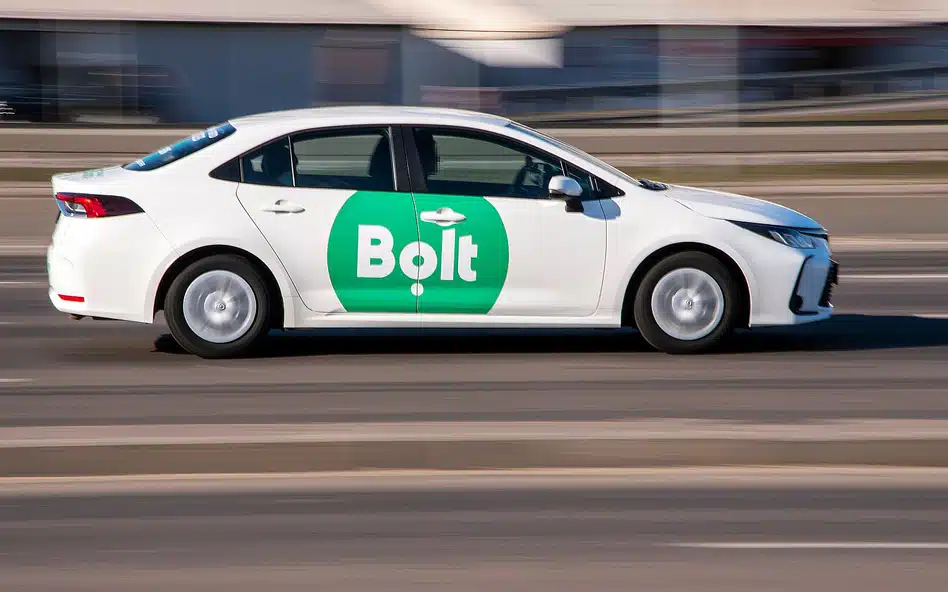
Europe must devote as much attention to developing self-driving technology as it does to electric vehicles if it wants to remain competitive in the next decade, Markus Villig, CEO of Estonian ride-hailing and food delivery company Bolt.
Villig said that while the European Union has poured tens of billions of euros into electric vehicle infrastructure and manufacturing, it has not shown comparable commitment to autonomous driving — an area increasingly dominated by U.S. and Chinese companies. “There’s so much on EVs but we’ve lost the plot on autonomous driving,” Villig said. “It will be the core technology.”
See also: QCraft Expands into Europe, Partners with Qualcomm for Autonomous Driving
The global self-driving landscape is currently led by U.S. companies such as Alphabet subsidiary Waymo and Tesla, along with Chinese rivals Baidu, WeRide, and Pony.ai. Waymo has announced plans to launch autonomous ride-hailing services in London next year, highlighting Europe’s growing dependence on foreign innovation in the sector.
Villig, who was scheduled to meet EU technology chief Henna Virkkunen, argued that autonomous driving should be recognised as a “strategic technology” with national security implications. He added that the EU should support emerging European players to prevent large foreign competitors from dominating the market, as has happened in other tech sectors.
See also: Chinese Self-Driving Firms Accelerate Push Into Europe Amid U.S. Market Barriers
Bolt, a major European competitor to Uber, could benefit from the rise of robotaxis but sees a need for policies that ensure local participation. Villig suggested that European startups could be granted subsidies or exclusive operational licenses in select cities or regions to help them gain scale.
The EU has been working to strengthen its digital sovereignty by reducing reliance on U.S. tech giants in areas such as artificial intelligence, cloud computing, and communications infrastructure. However, Villig warned that without similar urgency in autonomous driving, Europe risks losing its foothold in what he called one of the “core technologies” of the future.
See also: Renault Group Expands Autonomous Vehicle Trials Across Europe
Momentum around autonomous mobility has been building in Europe. Last week, Stellantis and Pony.ai announced a non-binding Memorandum of Understanding (MoU) to jointly develop and deploy robotaxi solutions across Europe. The partnership will combine Pony.ai’s autonomous software with Stellantis’ AV-Ready BEV platform, beginning with medium-sized vans such as the Peugeot e-Traveller. Pony.ai’s European division, headquartered in Luxembourg, will lead the initiative, with test vehicles expected to hit the road in the coming months.
In early October, European Commission President Ursula von der Leyen also called for a continent-wide effort to accelerate self-driving technologies, arguing that artificial intelligence could help revive Europe’s struggling automotive sector and improve road safety. “Self-driving cars are already a reality in the United States and China. The same should be true here in Europe,” von der Leyen said at the Italian Tech Week in Turin. She added that an “AI first” approach must also mean “safety first,” underscoring Brussels’ broader push to reinforce industrial competitiveness against fast-advancing U.S. and Chinese rivals.
Source: Reuters
Bolt Acquires Danish Ride-Hailing Firm Viggo, Expands into Electric Taxi Market