



BMW Group and its joint venture Encory GmbH have officially commissioned a new Cell Recycling Competence Center (CRCC) in Salching, Lower Bavaria, marking a further step in the automaker’s efforts to industrialise battery recycling and reduce reliance on energy-intensive recovery processes.
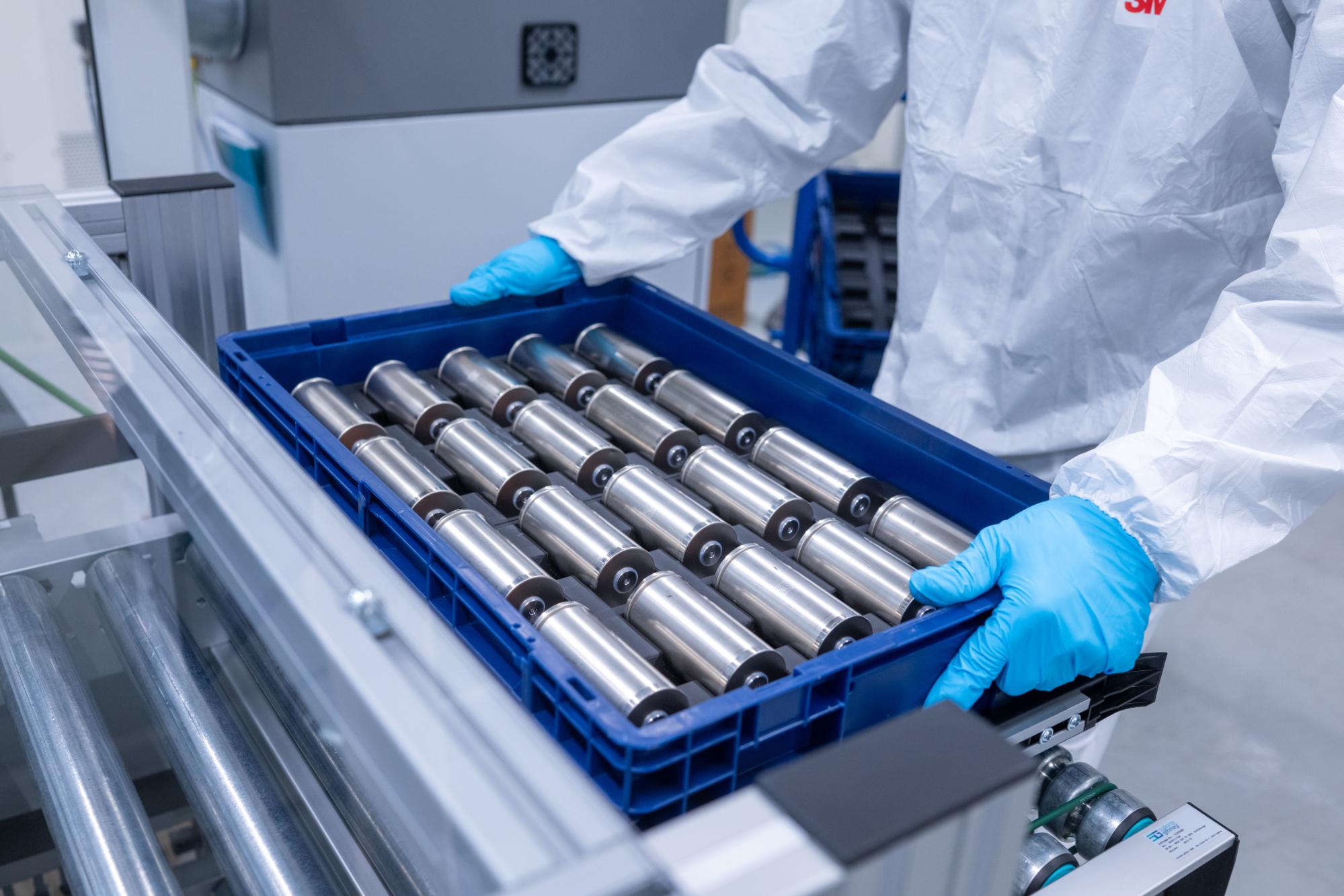
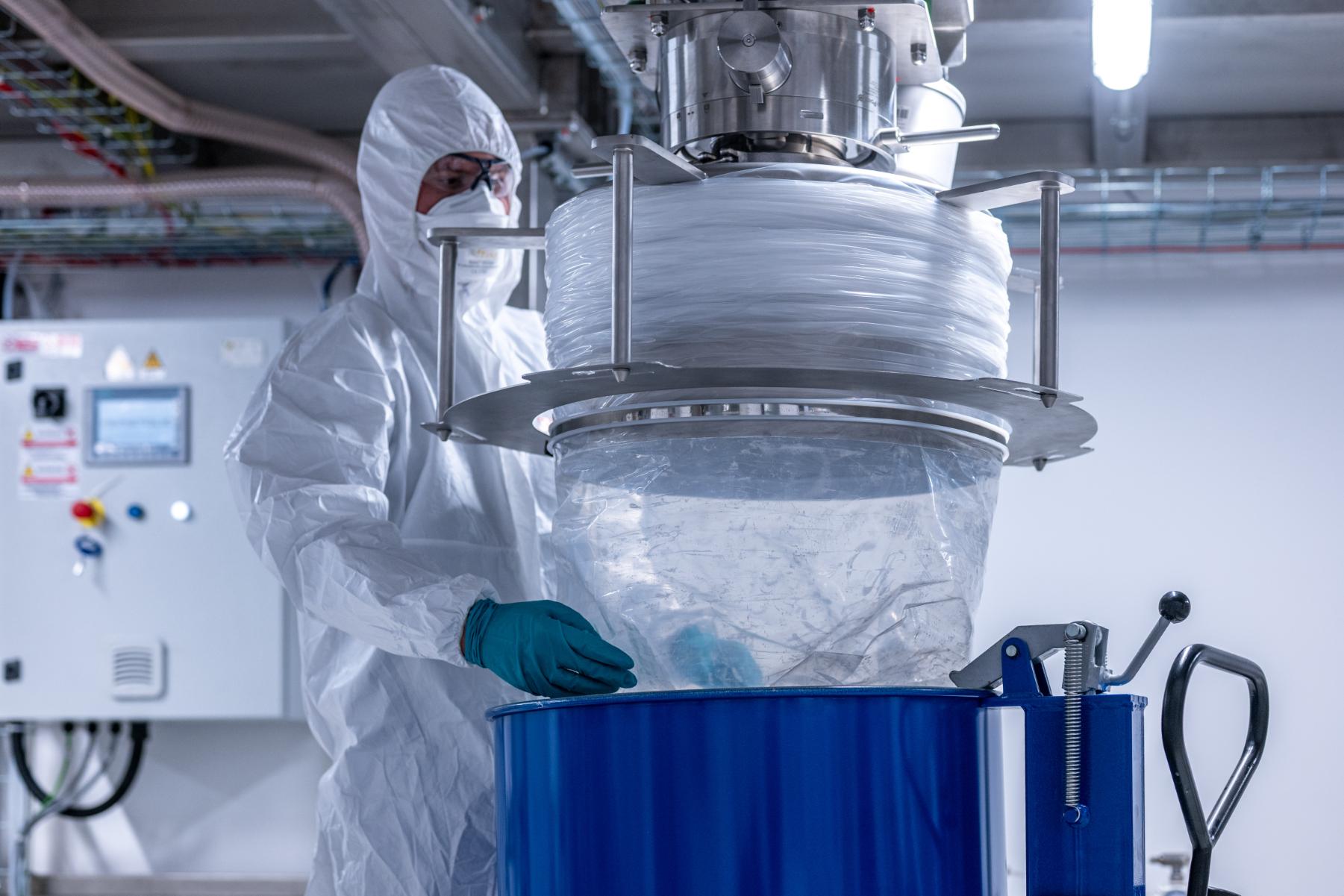
The new centre will focus on so-called direct recycling, a process that mechanically dismantles residual materials from battery cell production, including complete cells, and feeds recovered raw materials directly back into the manufacturing cycle. Unlike conventional recycling methods, the approach avoids chemical or thermal processing, significantly lowering energy consumption.

“Our direct recycling process puts us at the forefront of the industry,” said Markus Fallböhmer, senior vice president for battery production at BMW AG. “This technology has tremendous potential to further optimise battery cell production.”
At full capacity, the CRCC is expected to recycle battery cell material in the mid-double-digit tonne range annually. The recovered raw materials will be reused in pilot battery cell production at BMW’s Cell Manufacturing Competence Center (CMCC) in Parsdorf, the company said.

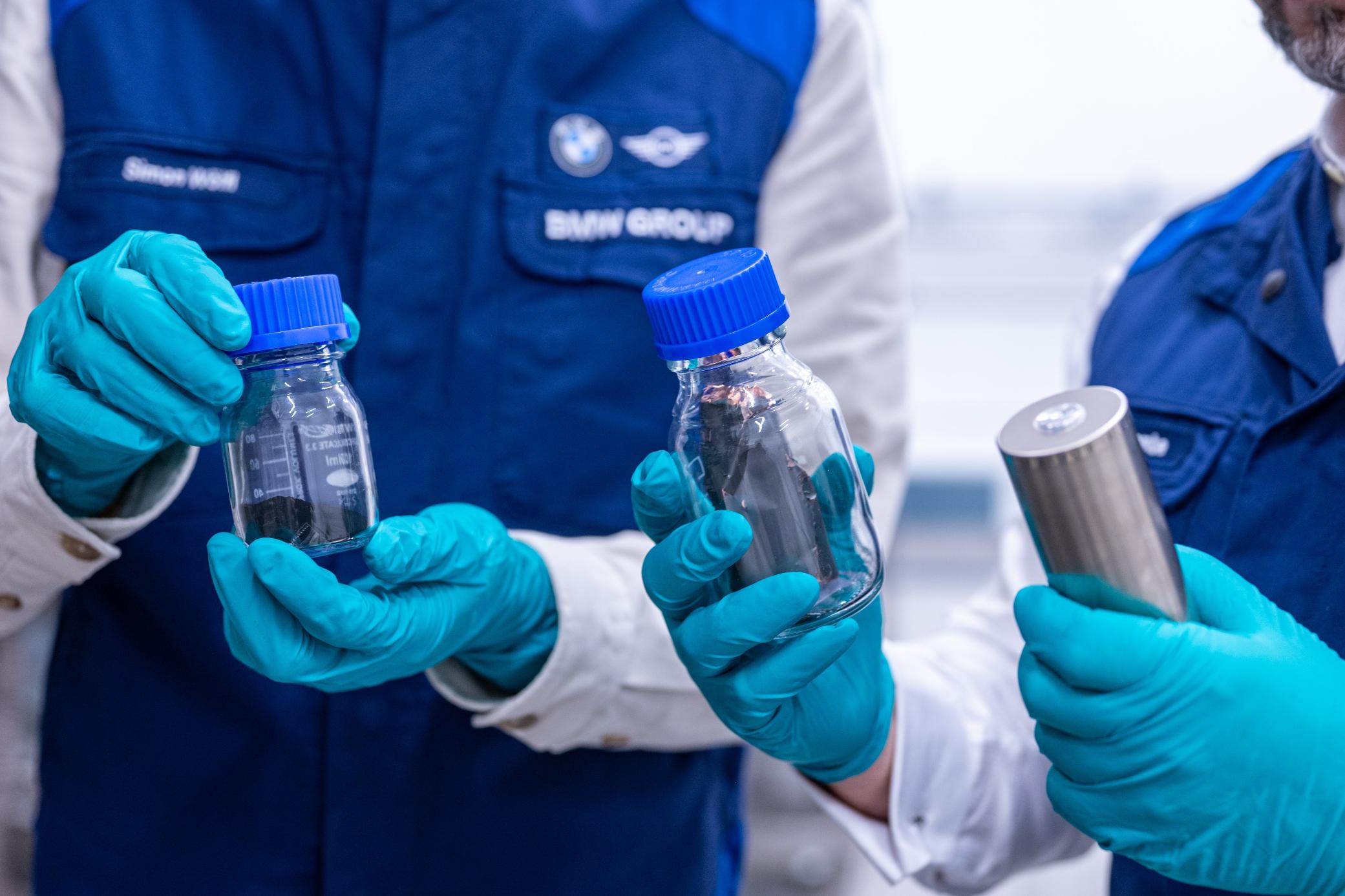
The facility is operated by Encory, while the intellectual property for the recycling process remains fully owned by BMW Group. Encory is a 50:50 joint venture between BMW Group and Interzero Group, specialising in logistics, recovery, recycling and reconditioning solutions for vehicle components. The Salching site will employ around 20 people.
BMW said the project relies largely on regional partners, with most construction and operational contractors based in Germany and nearly half located within 100 kilometres of the site. The facility includes production and warehouse space of about 2,100 square metres, office areas, and rooftop photovoltaic systems.

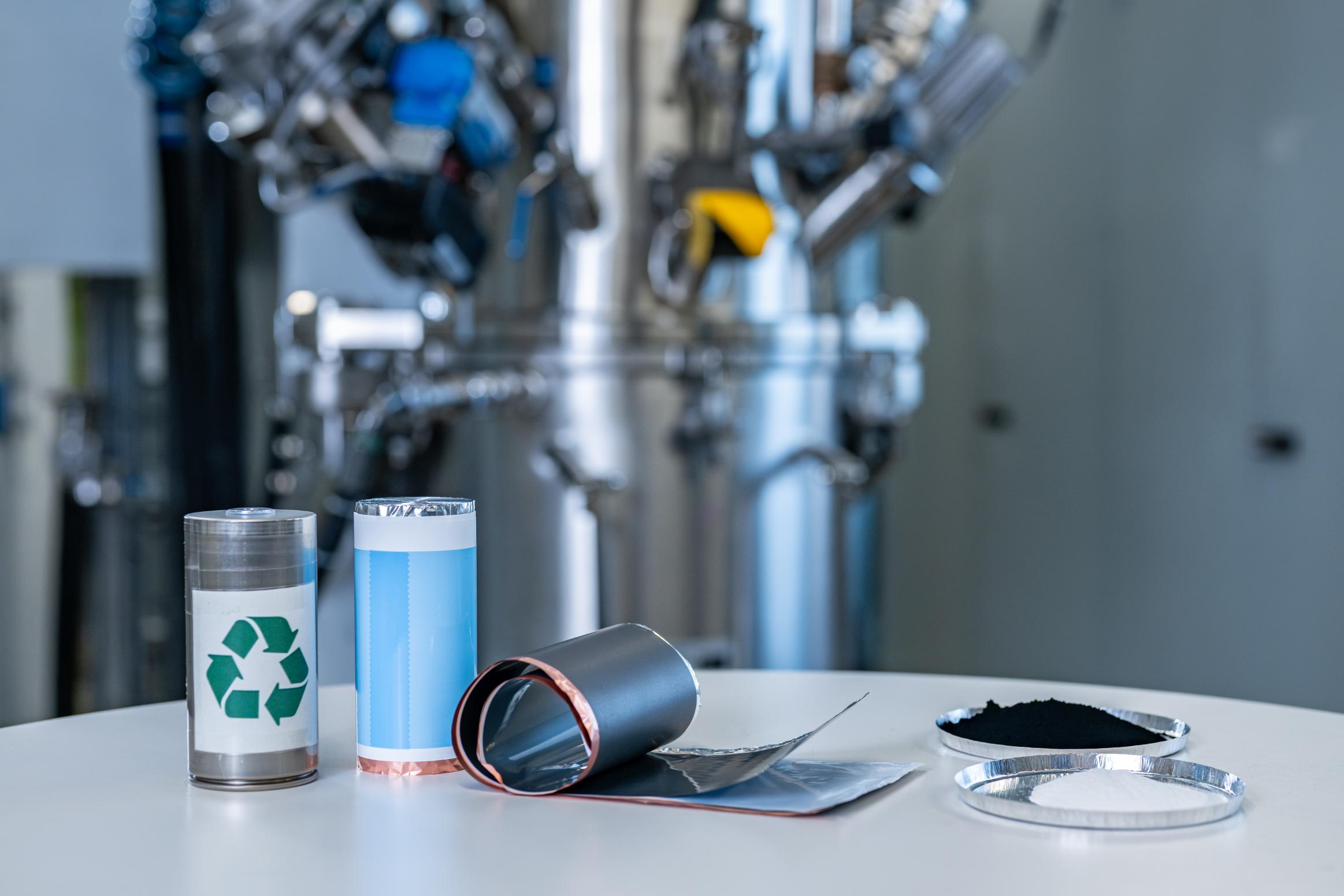
The CRCC completes BMW’s battery cell competence network in Bavaria, which also includes the Battery Cell Competence Center (BCCC) in Munich for research and small-scale production, and the CMCC in Parsdorf for pilot manufacturing. Recycling surplus materials locally is intended to shorten transport distances and prevent the loss of valuable raw materials.
BMW Group views battery recycling as a core pillar of its broader circular economy strategy, which aims to keep materials in use for as long as possible through reuse, recovery and recycling. The company said the new centre supports its long-term goal of increasing recycled content in vehicles and strengthening resource-efficient mobility.


