




Berlin’s public transport operator BVG is expanding its electric bus charging infrastructure with the addition of fast-charging stations at terminal stops across the city, as part of a €12.1 million initiative backed by the Federal Ministry of Transport. The project, known as STELLA, aims to install up to 20 charging points by the end of 2027 to improve the reliability and efficiency of the city’s growing electric bus network.
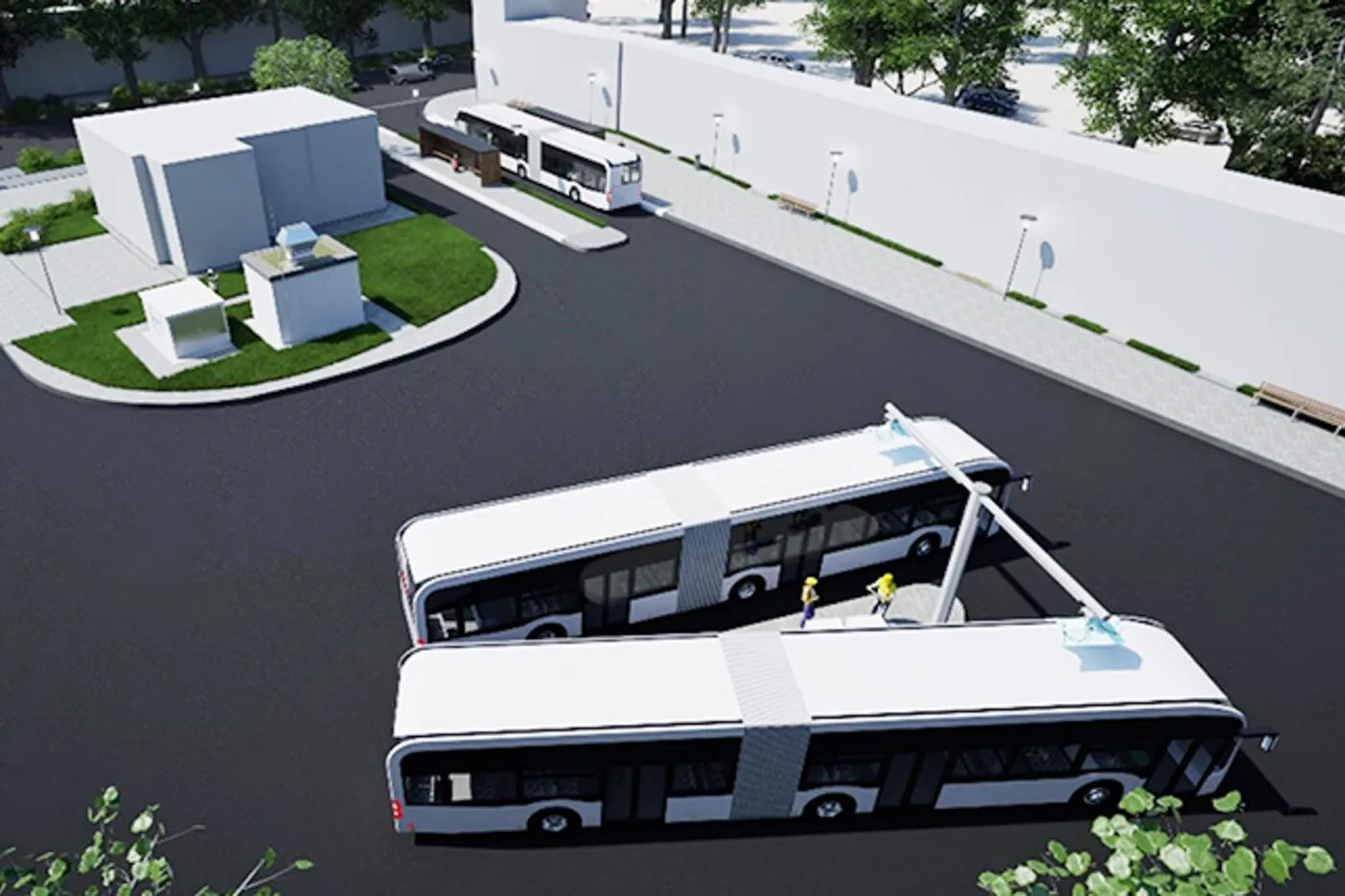
Construction began on October 6 at the Schwarzelfenweg terminus in Pankow, which is expected to go into operation in early 2026. BVG said that work will soon follow at the Kaulsdorf and Marzahn S-Bahn stations, both of which are scheduled to open “within a few weeks” after the first site. The new charging infrastructure will include pantograph systems mounted at terminal stops, allowing buses to recharge quickly during regular service rather than returning to depots.
See also: Berlin Startup Cariqa Launches Platform To Reshape EV Charging Payments
“Here you can recharge your batteries between trips. Our electric buses are on the road around the clock, serving passengers throughout the city,” said BVG Chief Executive Henrik Falk. “The new charging technology provides us with a stable foundation for this.”
The Federal Ministry of Transport said the STELLA project represents an important step toward greener mobility in urban areas. “Electric buses are increasingly becoming a central component of climate-friendly public transport. However, due to the cost differences compared to conventional buses, the switch is a mammoth task for transport companies,” said Transport Minister Patrick Schnieder. “With our funding, we are compensating for this difference and also supporting the development of the associated infrastructure.”
See also: Berlin’s BVG Begins Construction on Major E-Bus Depot in Marienfelde
BVG plans to use the new chargers to support day-to-day operations and ensure that buses can recharge efficiently during scheduled stops. The charging stations will include small technical buildings housing transformers and power electronics connected to the city’s medium-voltage grid.
The project forms part of Berlin’s wider strategy to expand its zero-emission public transport network and reduce reliance on fossil fuels. The new fast-charging hubs are expected to make electric bus operations more flexible, while reducing downtime and emissions in the German capital.


