


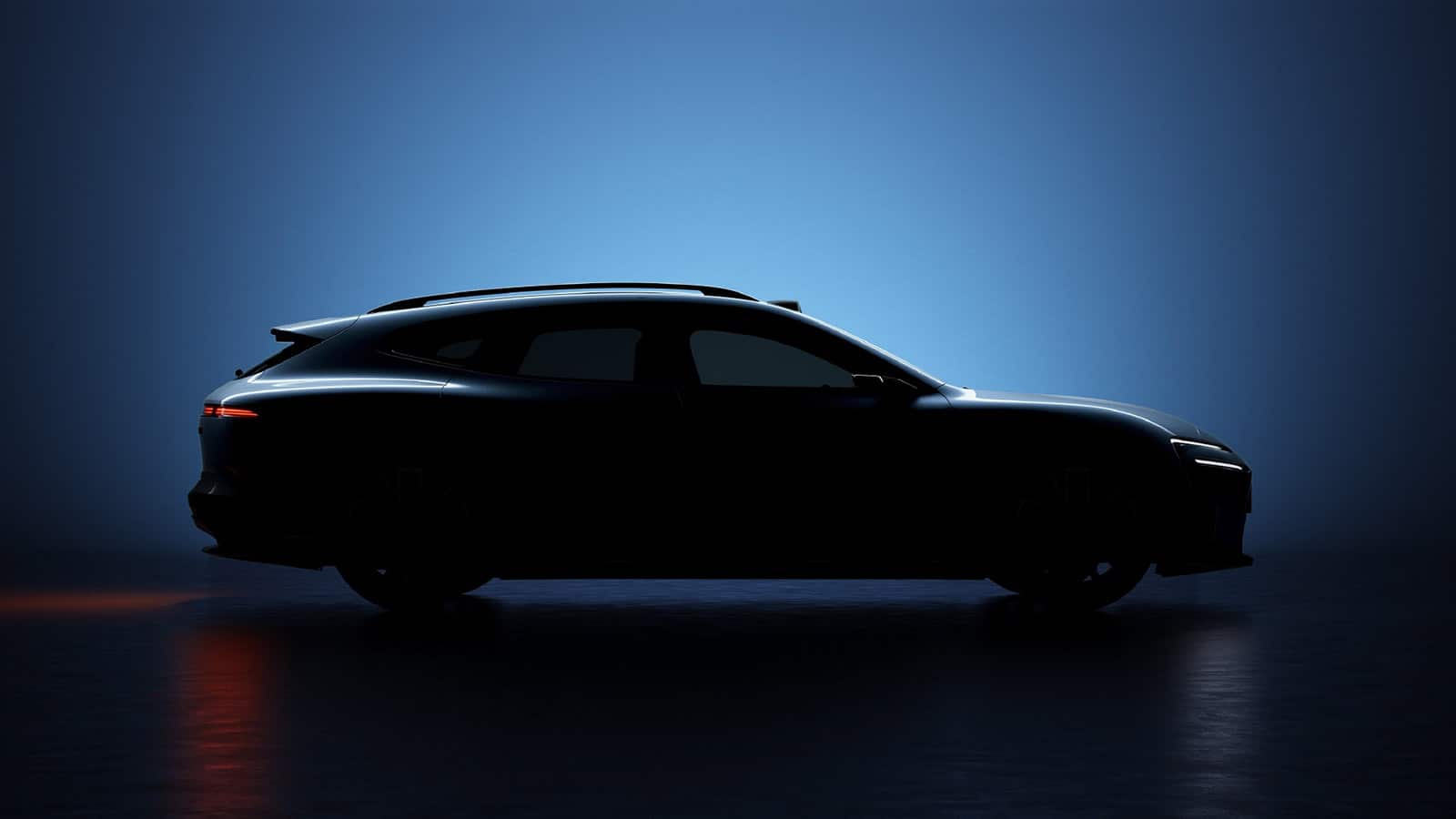
Chinese electric vehicle maker Avatr Technology, backed by Changan Automobile, CATL, and Huawei, has previewed a new model designed to enter a new vehicle category for the brand.
The model, named the Avatr 06T, is part of the Huawei Qiankun–Avatr strategic partnership 2.0, the company said on Tuesday. Qiankun is Huawei’s smart car solution brand launched in April 2024, focusing on intelligent driving systems and smart cockpit technologies.
See also: Avatr Releases Official Images of Updated Avatr 12, Adds Tri-Motor AWD Option
Avatr said the 06T will be among the first vehicles to feature Huawei’s next-generation LiDAR hardware, though it did not disclose technical specifications or a launch timeline. Images and a short preview video released on Weibo suggest the Avatr 06T is a station wagon, marking the brand’s first entry into the body style.
The naming indicates the 06T is a derivative of the Avatr 06 sedan. Wagon variants based on existing sedan platforms are increasingly common among Chinese automakers as they seek to broaden model lineups while controlling development costs. Nio, for example, offers the ET5 Touring wagon derived from its ET5 sedan.
See also: China’s Changan Targets European EV Expansion With Avatr and Nevo Brands
The Avatr 06 is the brand’s fourth production model and was launched in April 2025 with both battery electric vehicle (BEV) and extended-range electric vehicle (EREV) options. The current Avatr 06 lineup includes four EREV and four BEV variants, with starting prices of RMB 209,900 ($30,250) and RMB 219,900 respectively.
Speculation around an Avatr wagon intensified earlier this week after spy photos circulated on Chinese social media platforms, which the company’s latest preview appears to confirm as the 06T.
See also: Avatr and Huawei Expand Strategic Partnership With New Development Model and Retail Integration
Avatr is preparing for a Hong Kong initial public offering, having submitted its listing application in late November. The company has previously said it expects to complete the IPO in the second quarter, as competition intensifies among Chinese EV makers seeking fresh capital and technological differentiation.


