




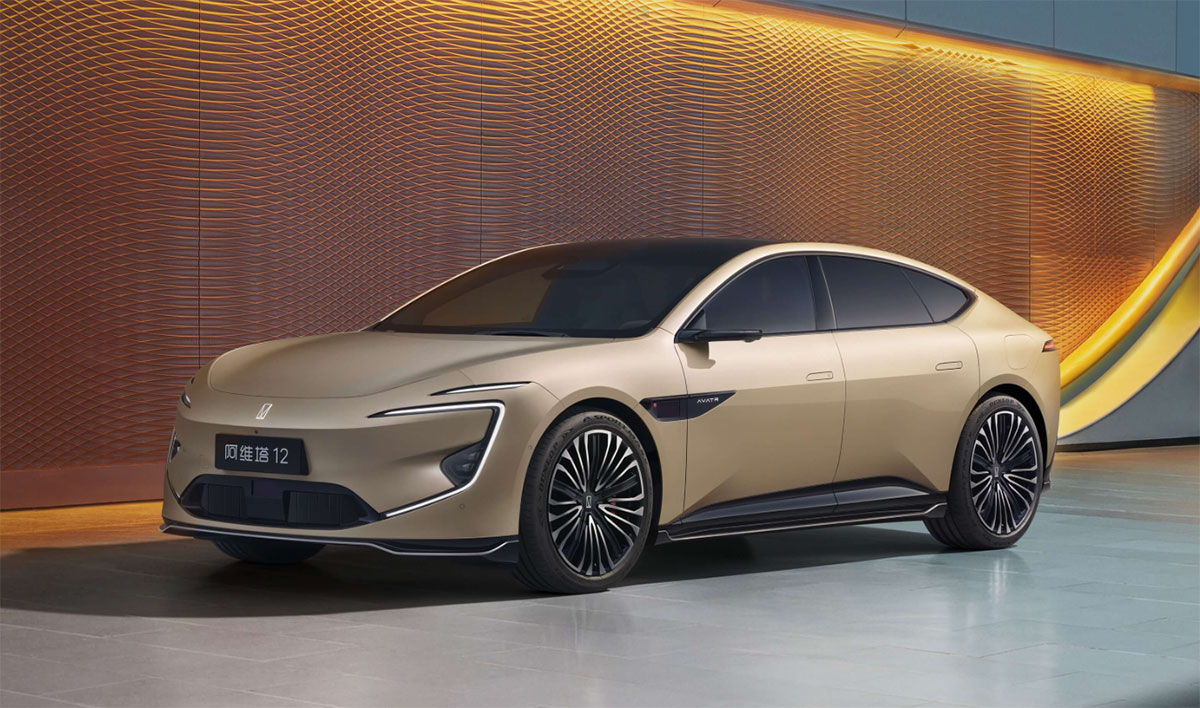
Avatr Technology, the premium electric vehicle subsidiary of Changan Automobile, has filed for an initial public offering in Hong Kong, positioning itself to become another Chinese EV maker to seek a listing outside the mainland, according to a stock exchange filing.
The Hong Kong listing is being sponsored jointly by CITIC Securities and China International Capital Corp (CICC). Avatr, which was established by Changan together with technology partners Huawei and CATL, has not disclosed the size or timing of the offering. Earlier local media reports said the company was targeting completion of its Hong Kong listing in the second quarter of 2026.
See also: AVATR and Huawei Expand Strategic Partnership With New Development Model and Retail Integration

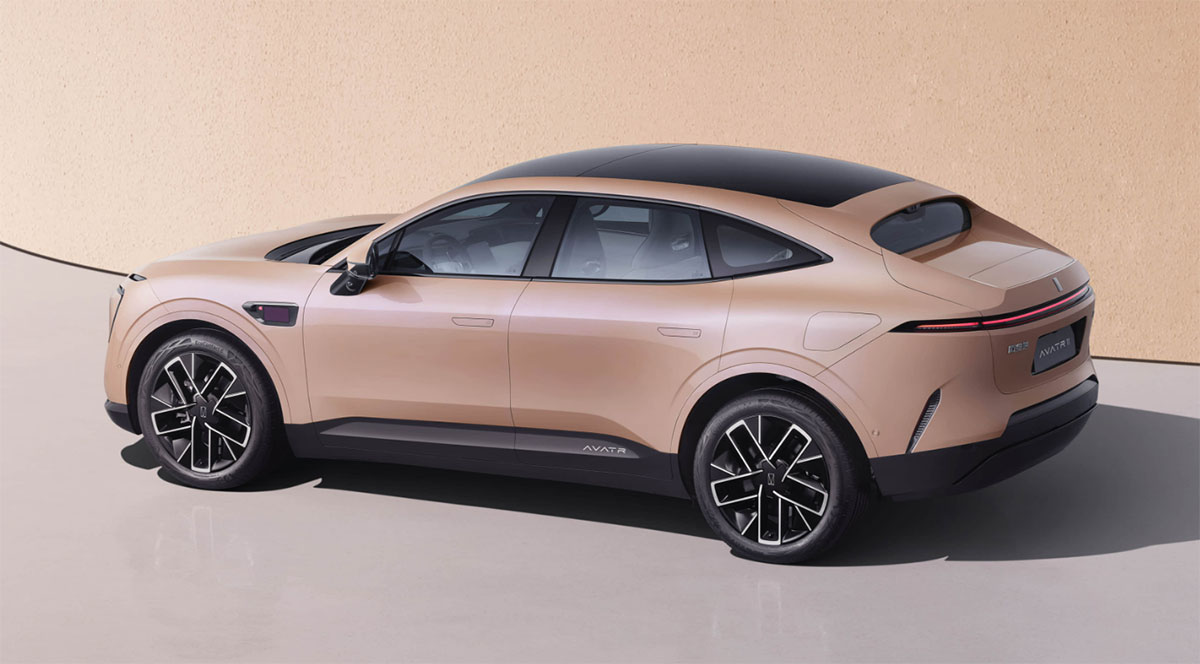
Avatr reported revenue of 12.2 billion yuan ($1.7 billion) in the first half of 2025, up 98.5% from a year earlier, according to its prospectus. Vehicle sales accounted for 11.5 billion yuan of that total, while other businesses including assisted driving solutions, after-sales services and parts sales contributed 718 million yuan. By comparison, domestic peer Nio reported third-quarter revenue of 21.79 billion yuan, up 16.7% year on year.
The EV brand was originally founded in 2018 as Changan Nio, a joint venture between Changan and Nio, before being rebranded as Avatr in 2021. Under its current structure, Changan leads operations, while Huawei provides smart vehicle technologies and CATL supplies battery systems. All Avatr models to date use Huawei’s Qiankun smart driving systems and CATL’s power batteries. Nio has since exited the shareholder roster following multiple financing rounds, though the two companies renewed cooperation last year through a battery swap partnership.
See also: Avatr Launches 12 4-LiDAR Edition Sedan With Enhanced Perception and Extended Range

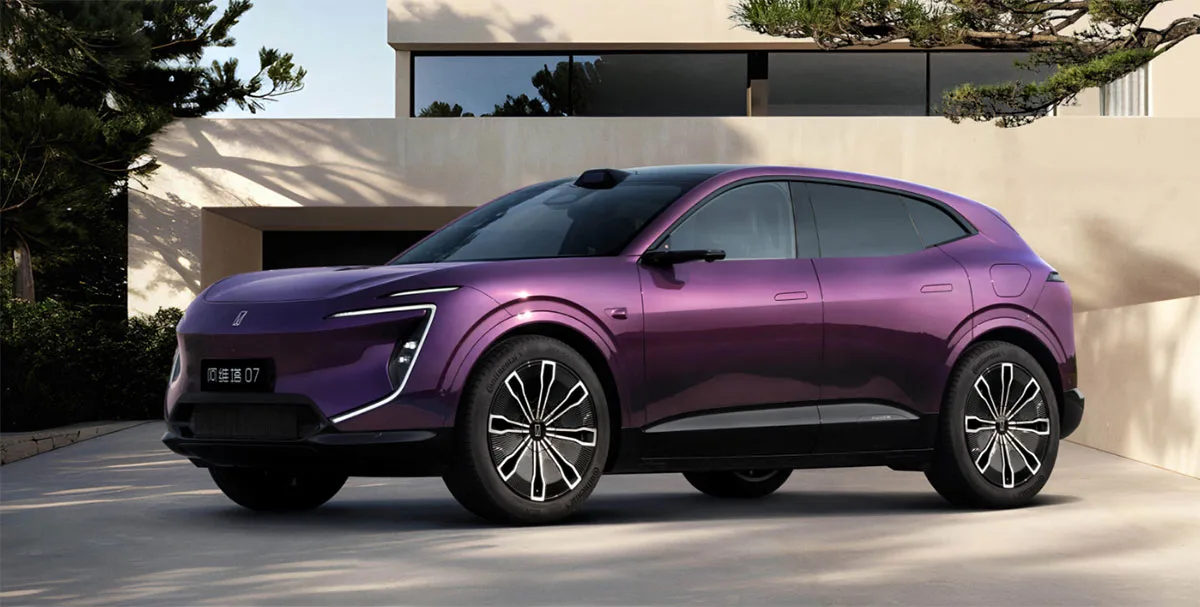
Avatr delivered 56,729 vehicles in the first half of this year and has set out ambitious expansion targets. The company aims to reach global sales of 400,000 vehicles and annual revenue of 100 billion yuan by 2027, with a longer-term goal of 800,000 units in global sales by 2030.


