




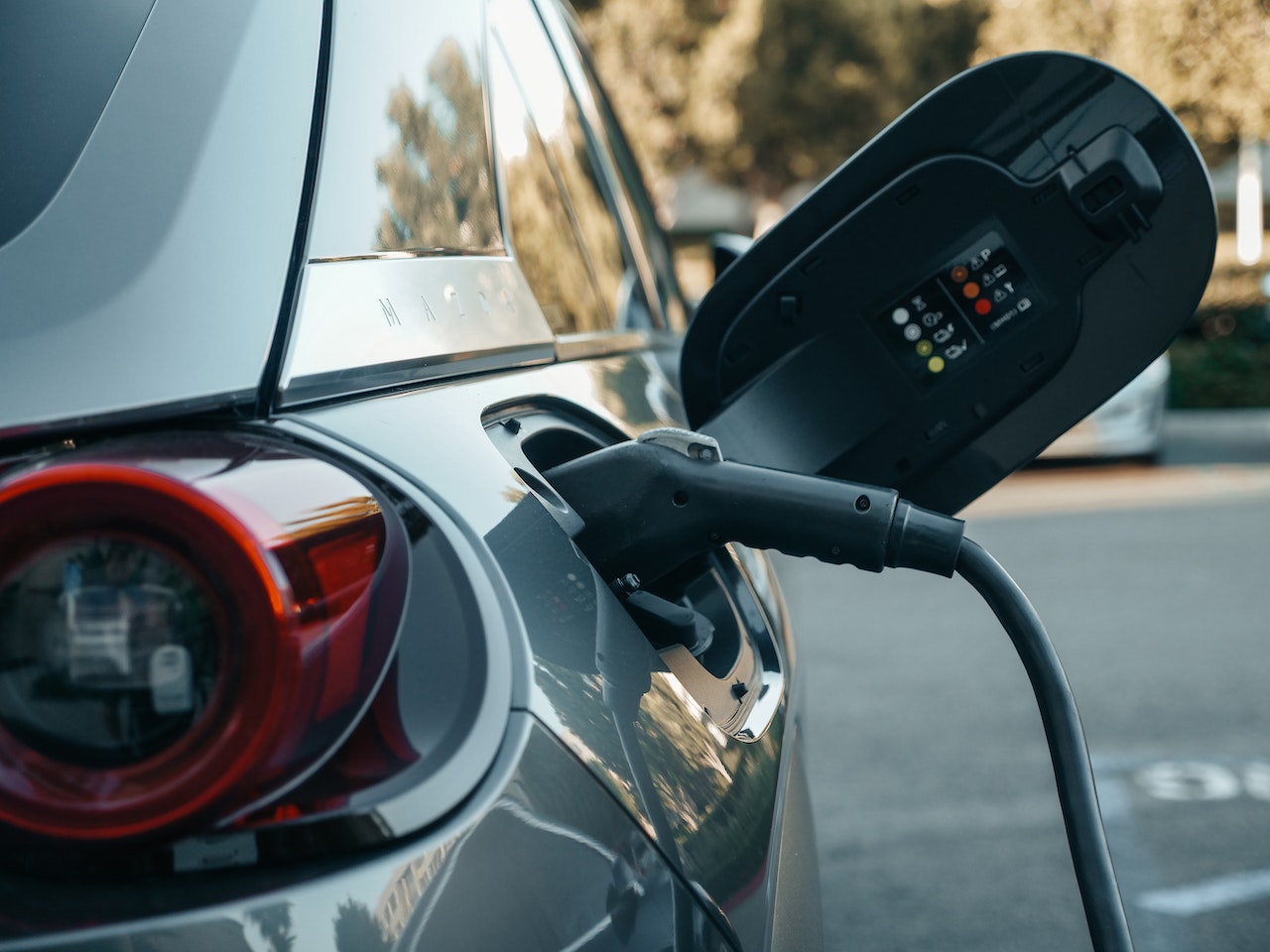
U.S. automakers are urging customers to purchase electric vehicles before a key $7,500 federal tax credit ends on September 30, warning of potential price increases and slowing demand once the subsidy expires. The credit, in place since 2008, has played a significant role in boosting electric vehicle (EV) adoption in the country.
Tesla prominently featured a banner on its website Tuesday reading, “$7,500 Federal Tax Credit Ending. Take Delivery by September 30, 2025.” Ford Motor also extended its promotion offering free home chargers and installation through the end of September in an effort to incentivize buyers ahead of the deadline.
The looming expiration comes as a result of changes tied to recent tax and budget legislation passed by Congress. Both the $7,500 credit for new EV purchases and a $4,000 subsidy for used EVs are set to be eliminated. Automakers and analysts expect a surge in demand in the third quarter, followed by a sharp decline. “We believe (the third quarter) will see a significant EV pre-buy, with sharp declines in the months to follow,” analysts at Barclays wrote in a note.
“This is certainly a great time to be considering an EV,” Rivian’s finance chief Claire McDonough said in an interview. She added that Rivian may introduce new incentives, such as financing offers, if demand weakens post-September.
General Motors CEO Mary Barra warned late last year that demand for EVs could falter without federal support. “The $7,500 tax credit is driving demand; without that, that’ll slow,” she said at a December event.
A joint study from UC Berkeley, Duke University, and Stanford University projected EV registrations could drop by as much as 27% if the credit ends. Similar patterns have occurred overseas: EV sales in Germany fell sharply after that country ended subsidies in late 2023.
First introduced in 2008 and expanded under the 2022 Inflation Reduction Act, the U.S. tax credit was restructured to apply only to vehicles built in the U.S. using specific levels of domestically sourced battery components.
Auto retailers anticipate a final rush. Dmitry Agapitov, sales manager at Northwood Chevrolet and Hyundai in Eureka, California, expects increased foot traffic in coming months. “We’re anticipating it to play a factor,” he said, citing past sales spikes before price hikes and policy shifts.
The average EV in the U.S. sold for $58,000 in May—about $10,000 more than the industry average—according to Cox Automotive. Concerns over price and charging infrastructure remain top barriers to wider adoption.
Political uncertainty has added to urgency. Former U.S. President Donald Trump’s team began exploring options to eliminate EV tax credits before the 2024 election, prompting some buyers to accelerate purchases.
“If there’s anyone who hasn’t bought their EV yet, they’re likely to be encouraged to buy in the third quarter,” said Sam Fiorani, vice president at AutoForecast Solutions. “Consumers believe there is a deadline to reach now.”
Automakers may offer new incentives to mitigate the loss of the subsidy. Ford cut prices on its Mustang Mach-E after it lost a $3,750 tax credit earlier this year. GM also responded with a $7,500 incentive for vehicles no longer eligible for the federal credit.
Source: Reuters