




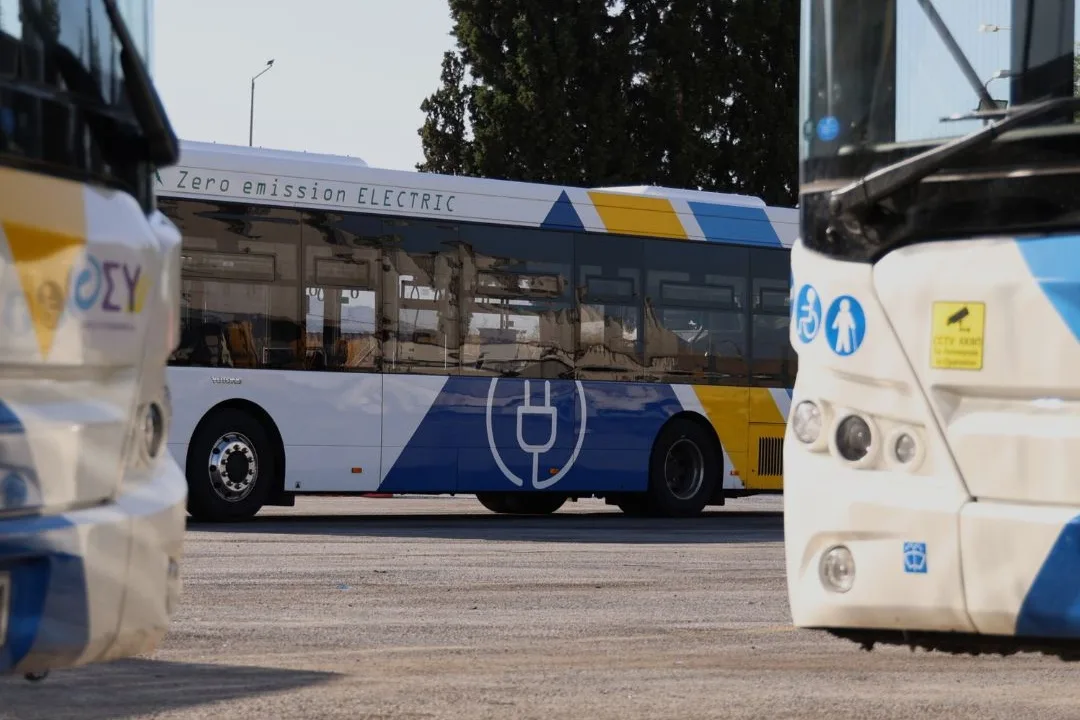
Athens is set to retire its fleet of 130 electric trolleybuses and replace them with 100 new electric buses by 2027, marking a major shift in the city’s public transportation strategy. The move, announced by the Athens public transport company OASA, will also include the removal of the overhead lines that currently power the trolleybuses.
Trolleybuses have served the Greek capital since at least 1949, with some sources citing operations as early as 1929. Despite periodic updates, most of the vehicles currently in use are around two decades old. Due to age-related inefficiencies, the actual performance of the fleet is significantly below expectations. According to the Greek Reporter, operational output measured in kilometers is approximately 75% lower than what would be expected based on fleet size and capacity.
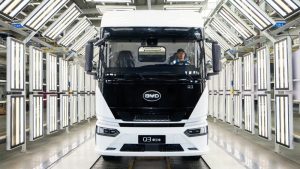
The replacement initiative is part of a broader national effort to modernize public transport. In 2020, Athens and Thessaloniki jointly announced plans to expand their fleets by 1,300 buses, with a focus on electric models. Last year, 250 electric buses manufactured by China’s Yutong entered service across the two cities. In February 2025, the Greek Ministry of Infrastructure and Transport launched an international tender for an additional 125 electric buses as part of a program targeting the acquisition of 950 eco-friendly buses by 2025.
Greek Prime Minister Kyriakos Mitsotakis highlighted the progress earlier this month during a visit to a public bus depot in Athens. “Already, 250 buses are operational, including 140 in Athens and 110 in Thessaloniki, with more to come,” he said. Referring to the broader plan, he added, “900 new buses would be operating in Athens by the end of 2025.”
While details about the suppliers and specifications of the new buses remain limited, it is unclear whether all units will be fully electric or if some may feature hybrid engines. Mitsotakis emphasized that the acquisition is being financed through the European Recovery Fund and underscored the importance of prudent resource management.
The switch from overhead electric lines to battery-powered buses is expected to improve operational flexibility. Unlike trolleybuses, which are constrained by fixed power lines, the new electric buses will be able to reroute easily in response to construction, road closures, or other disruptions. This, officials hope, will enhance the overall reliability and efficiency of public transport in the city.


