
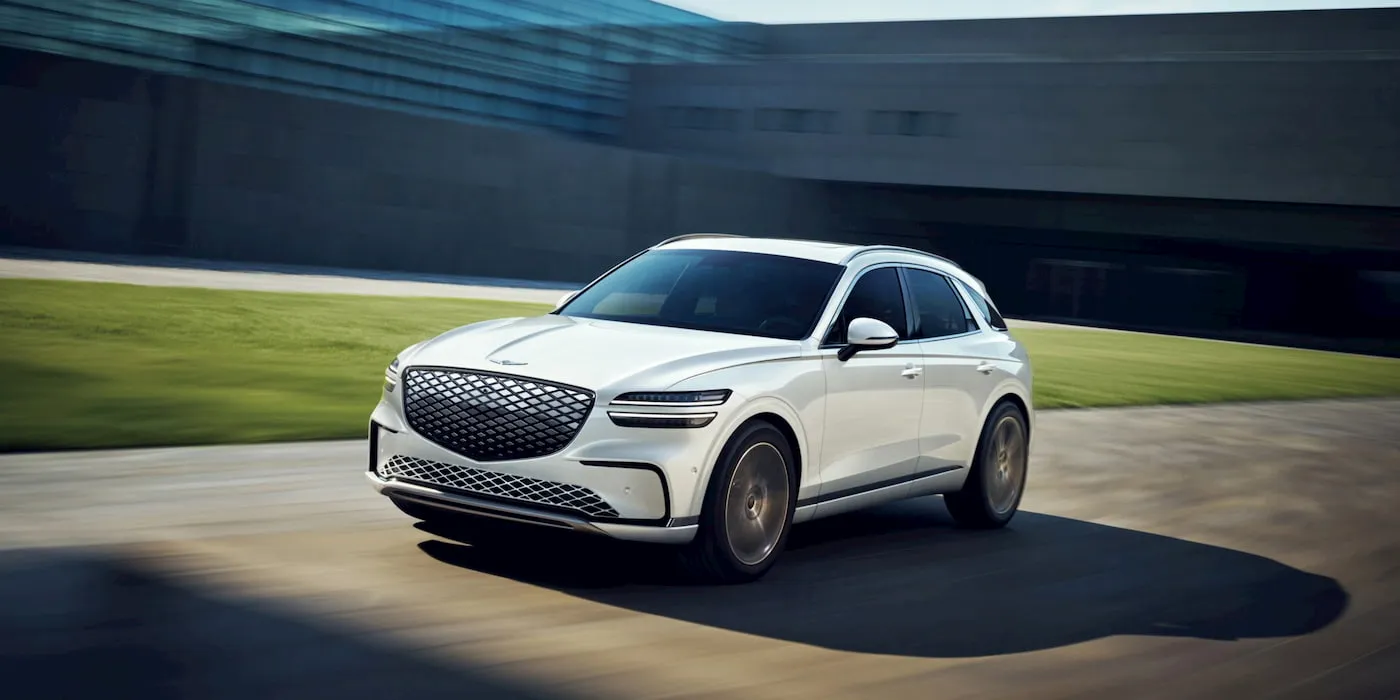
Hyundai Motor has halted production of its Genesis Electrified GV70 electric vehicle in the United States as the company pivots toward higher-volume and more profitable SUV models, including the Tucson, amid weakening EV sales and shifting U.S. policies.
The automaker stopped producing the luxury EV at its Alabama plant in June, according to industry sources cited by Business Korea. Instead of assembling new models, Hyundai has been selling off remaining inventory. The Electrified GV70, which began rolling off the line in February 2023, marked Hyundai’s first electric vehicle built in the U.S., supported by a $300 million investment to upgrade the facility.
Sales, however, have struggled to gain traction. In the first seven months of 2025, only 1,367 GV70 EVs were produced in Alabama, 18% fewer than a year earlier, with just 15 models sold last month, a record low.
The production pause comes as Hyundai adapts to the looming expiration of the federal EV tax credit in September and the impact of higher tariffs on imports. Analysts expect the company to prioritize hybrid and SUV models such as the Santa Fe and Tucson, which have recorded stronger demand. The Santa Fe Hybrid, for example, reached 6,888 units produced in July.
Hyundai is weighing options for the future of the GV70 EV, including relocating production to its upcoming Georgia facility alongside the Ioniq 5 and Ioniq 9, or shifting assembly to South Korea for export to the U.S., despite the added tariff costs. A similar strategy is planned for the upcoming Ioniq 6.
The move follows Hyundai’s earlier withdrawal of another luxury EV, the Genesis Electrified G80, from the U.S. lineup this month. To stimulate demand, the automaker has introduced steep discounts, with lease offers on the 2025 Ioniq 5 starting at $179 per month and the Genesis GV70 EV discounted by as much as $18,000.