



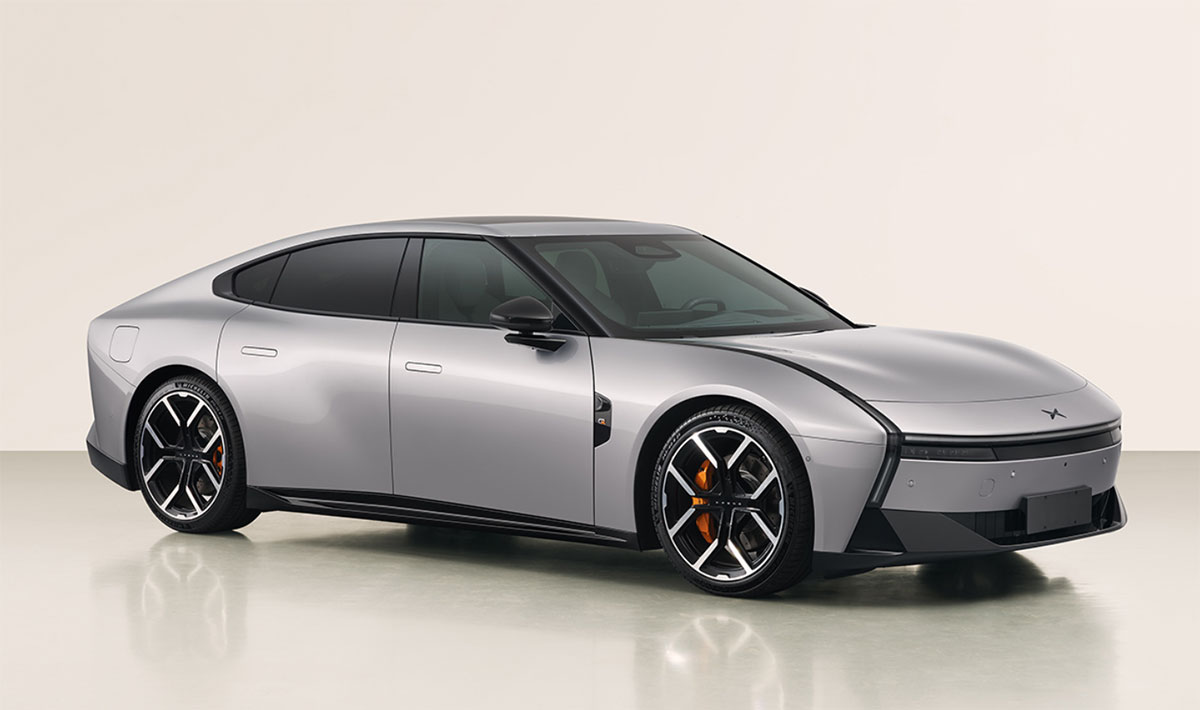
Xpeng has filed for regulatory approval of its next-generation P7 electric sedan, marking a key step toward commercial launch in China. The model appears in the latest catalog released by the Ministry of Industry and Information Technology (MIIT), with public feedback open from May 24 to 30.
The new P7—internally codenamed E29—has been listed under three model numbers: NHQ7002BEVEA, NHQ7002BEVEB, and NHQ7002BEVEC. All versions are battery electric vehicles (BEVs) manufactured at Xpeng’s Guangzhou plant. The company previously confirmed the model will launch in China between July and August as a successor to the P7i.

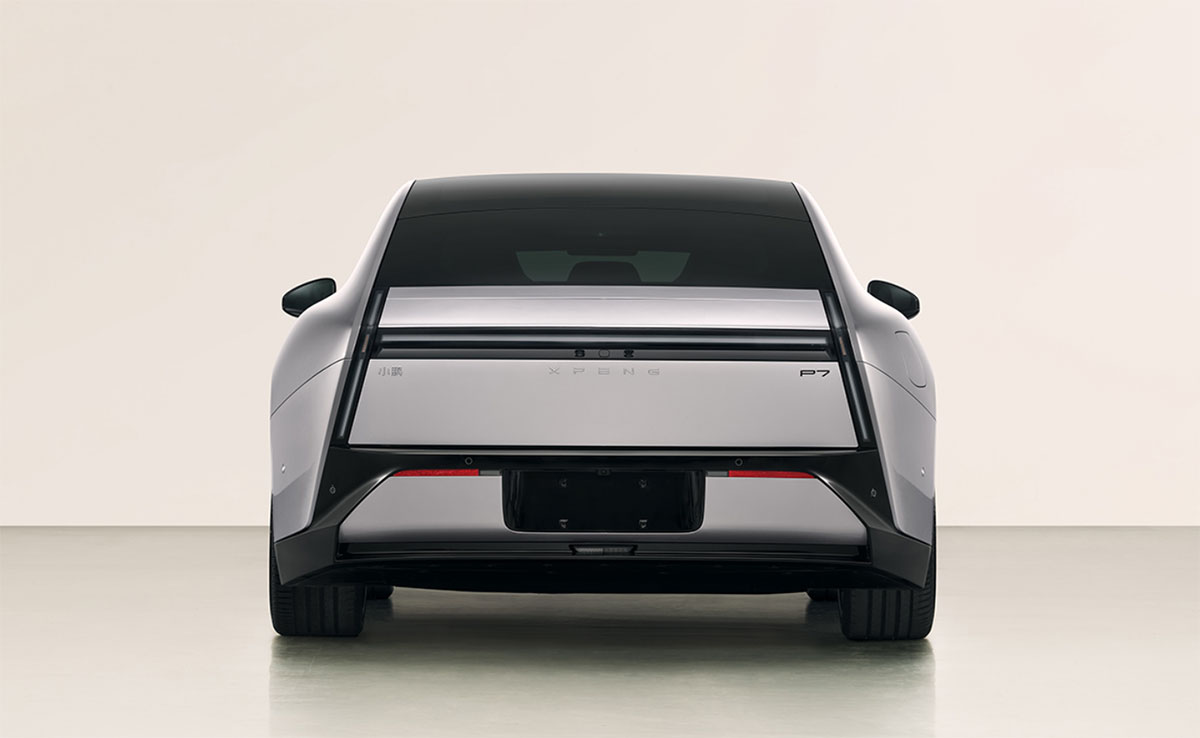
Measuring 5,017 mm in length, 1,970 mm in width, and 1,427 mm in height with a wheelbase of 3,008 mm, the next-generation P7 is dimensionally close to the P7+, a family-focused sedan. The new version has a curb weight of 2,125 kg and a top speed of 230 km/h.
The NHQ7002BEVEA and NHQ7002BEVEB variants are equipped with a single 270 kW motor, while the NHQ7002BEVEC version adds a front motor delivering 167 kW, enabling all-wheel drive capability. Battery packs include lithium iron phosphate (LFP) cells from Eve Energy and a combination of LFP and ternary lithium-ion batteries from CALB.

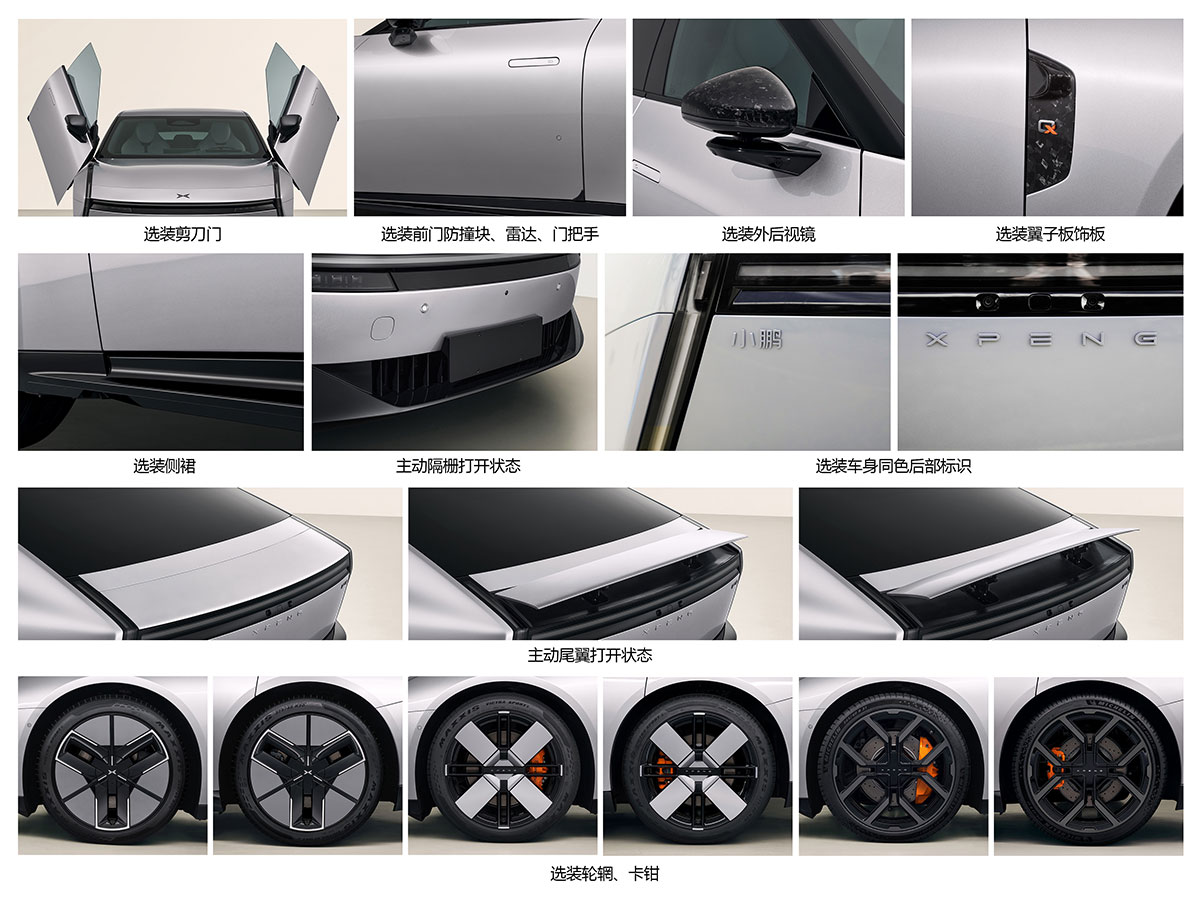
Xpeng confirmed the new P7 will be priced around RMB 300,000 ($41,760) and will serve as a global model, with market rollout determined by regional demand. Built on the same E platform as the G9 SUV, the new P7 will not include LiDAR but will offer assisted driving features on both highways and urban roads.
Xpeng’s current sedan lineup includes the Mona M03, P7+, and P7i. The company said the updated P7 would bring a more comprehensive and personalized offering, combining performance with enhanced intelligent features to differentiate it from the more family-oriented P7+.


