





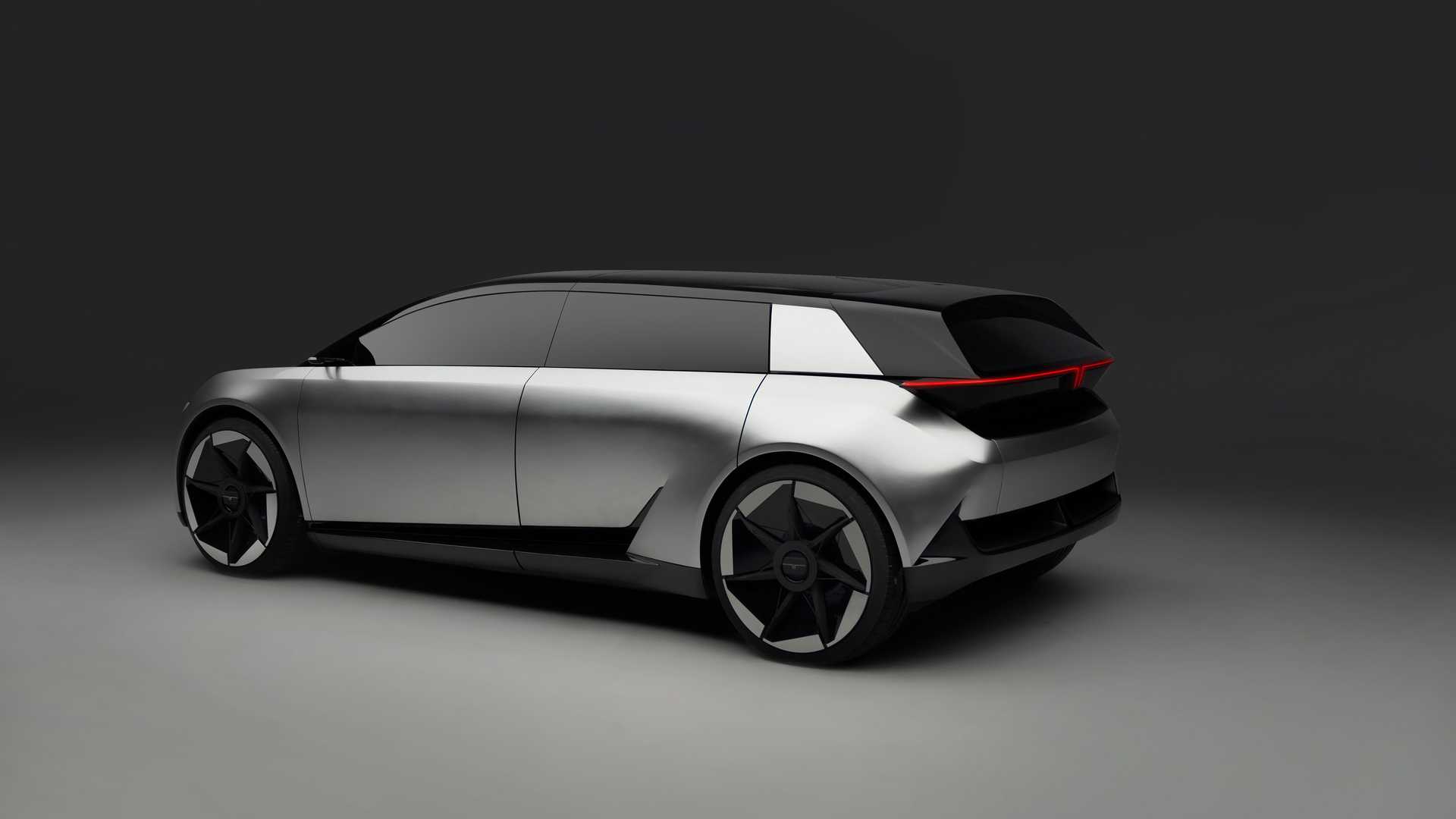
Tata Motors Just unveils Avinya EV Concept which carries electricity mobility based on GEN 3 architecture, this Indian car manufacturer said it will sell its Avian Tata its production version in 2025.
In terms of exterior, the Avociation is described as a vehicle that combines elements of the SUV, minivans, and hatchbacks, but the silhouette looks more like a low minivan, because it has a very short hood, sloping windshield, long wheelbase distance, large diameter wheels and small overhang.
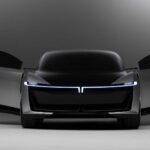
Simple surface and futuristic style sign likely displaying the language of future design, as well as full wide LED blades at both ends, burning grille, and a combination of duo-tone colors for the body.



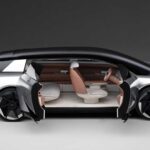



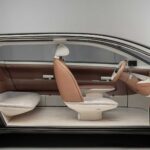



Cabin area, there are four large seats with a minimalist design and the use of premium materials. Remove the screen for a mirror replacement camera, Tata designer wants to minimize the appearance of this area. Instead, voice orders, artificial intelligence, and sound blades installed on the dashboard function as a control center for passengers and vehicle infotainment functions.
Each seat has a personalized audio control system, while the front seat can be rotated to make it easier to enter/exit. Other features include perfumer perfume on the middle console, and a combination of touch and physical control in the steering wheel.
Electric Powertrain specifications are not disclosed, but we know that the AVA is built on the upcoming gene 3 platform. The new EV special global architecture developed in India will present the next generation connectivity and fennel, in addition to improving performance and efficiency.
Tata claims that the battery will be able to offer a minimum range of 500 km by charging for 30 minutes. In addition, the Gen 3 platform is regulated to support a series of competitive EVs globally, starting with the AVA production version which is likely to be marketed in 2025.


